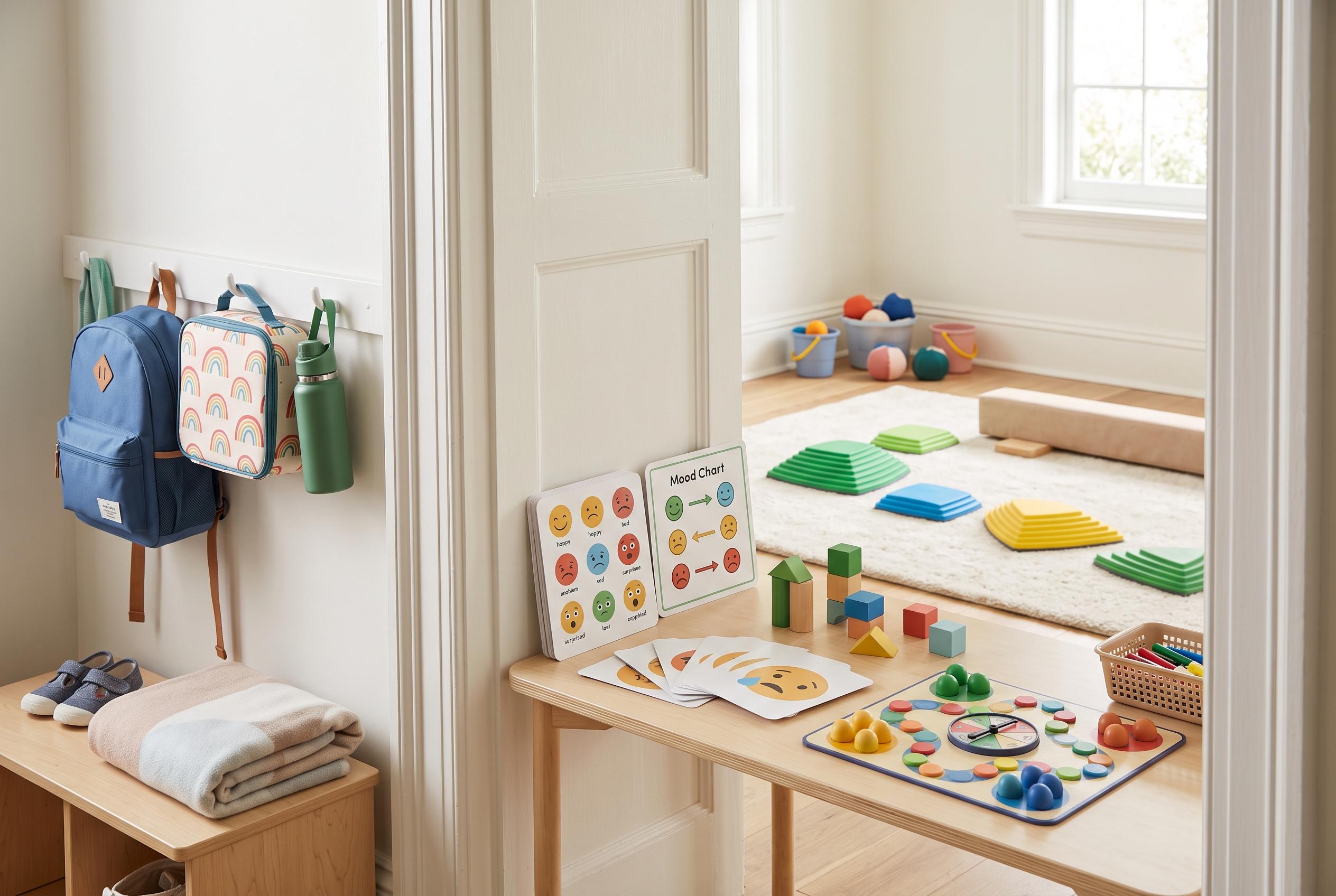

Psychologist Olga Holubytska highlights the importance of physical, emotional, and social skills over traditional academic measures in preparing children for school, emphasising a holistic approach to early development.
Parents often focus on whether a child can read, write and count before the first day of school. But Olga Holubytska, a psychologist with 16 years of experience working with children and adults, says that approach misses the bigger picture: school readiness is a much broader issue, shaped by physical development, emotional resilience, social skills and the ability to learn in a group.
Holubytska told UUN that the first thing families should look at is whether a child is physically ready for the demands of school. She said this includes signs of bodily maturation and the stamina to cope with a classroom routine. Her view echoes guidance from the American Academy of Pediatrics, which describes school readiness as a combination of physical well-being, social and emotional development, language, cognition and the approach a child takes to learning.
The psychologist also stressed that memory alone is not enough. Children need to understand cause and effect, connect events and explain why something happened, not just repeat information. That matches advice from Reading Rockets and other school-readiness guides, which say early learning depends on more than literacy and numeracy; attention, problem-solving and executive function, the mental skills used to plan and follow through, matter just as much.
Motivation is another key factor. Holubytska said children should want to go to school because they are curious and interested in discovering new things, not because they have been told education is only a route to future earnings. She advised parents to explain the purpose of school in simple terms and avoid turning the start of classes into a race for grades or quick adjustment. Research and readiness checklists from childcare and school districts similarly emphasise social-emotional development, independence and self-help skills alongside early academic learning.
Holubytska warned against trying to force a child to sit for long periods and do school-like tasks at home before they are ready. If a child has not attended nursery, she suggested preparatory groups so they can practise being with other children and learn how group activity works. She also said children should already be able to handle basic self-care, such as fastening clothes, eating independently and keeping track of their belongings. The broader message, supported by school-readiness materials from the American Academy of Pediatrics and child development educators, is that a calm, socially prepared and physically capable child is far better placed to learn than one who is pushed into academics too early.
Disclaimer: This content is for informational purposes only and is not intended to be a substitute for professional medical judgment, advice, diagnosis, or treatment.