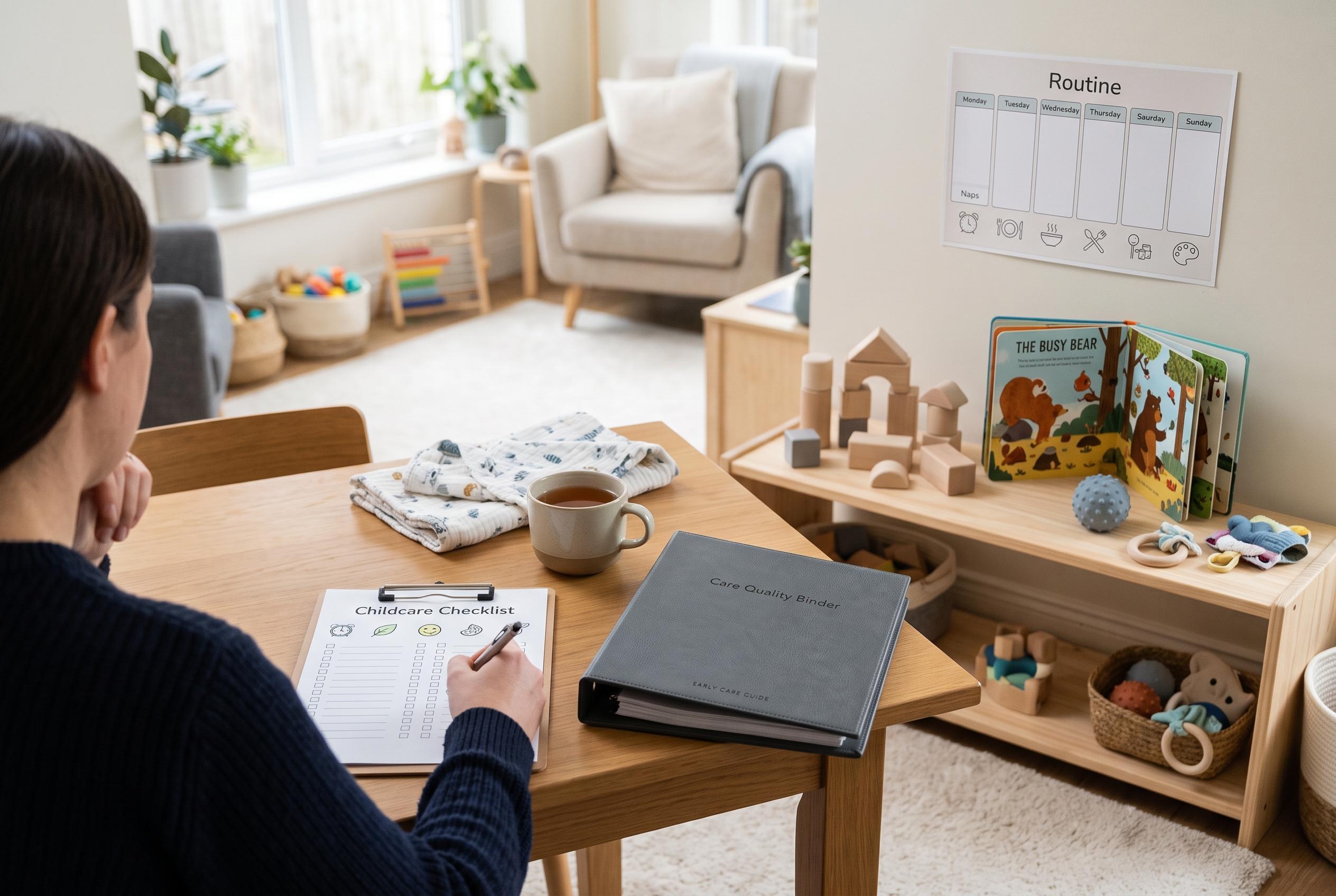

Emerging research suggests that the ideal timing for children to begin nursery varies based on temperament, family circumstances, and care quality, challenging one-size-fits-all approaches and emphasising customised decisions.
Psychologist Nicole Strüber says the question of when a child should enter nursery is less about a single age and more about the child’s temperament, family situation and the quality of care on offer. In stern, she links the issue to genetic differences and argues that some children are more vulnerable than others in group care, making the decision far less uniform than many parents assume.
That view sits alongside a broader body of research that is more cautious than alarmist. A University of Minnesota study published in 2022 found no connection between the amount of time young children spend in centre-based childcare and later behavioural problems, including aggression or non-compliance. In other words, simply being in nursery for longer does not appear to harm most children in the way some parents fear.
At the same time, earlier and newer studies suggest that timing, intensity and quality still matter. A 2007 review in JAMA Pediatrics found that children who started care early and spent 30 hours or more a week there were at higher risk of stress-related behaviour problems, especially when they struggled with peers or had less sensitive parenting at home. A 2024 study in Child Psychiatry & Human Development found that children who spent more than 40 hours a week in formal childcare between birth and age three showed more externalising behaviour at age five, while later entry was linked with more internalising behaviour by age 14.
Other research points to the type of care being less important than its overall standard. A 2011 study on non-parental childcare found no strong evidence that one form clearly outperformed another, although children placed in preschool tended to like school more. More recent writing on daycare, drawing on the NICHD study of early child care, also suggests that high-quality care supports language and cognitive development, while low-quality care or very long hours in the first year may add stress. For parents, the practical lesson is not that nursery should be avoided, but that the fit between the child, the hours and the setting deserves careful thought.
Disclaimer: This content is for informational purposes only and is not intended to be a substitute for professional medical judgment, advice, diagnosis, or treatment.