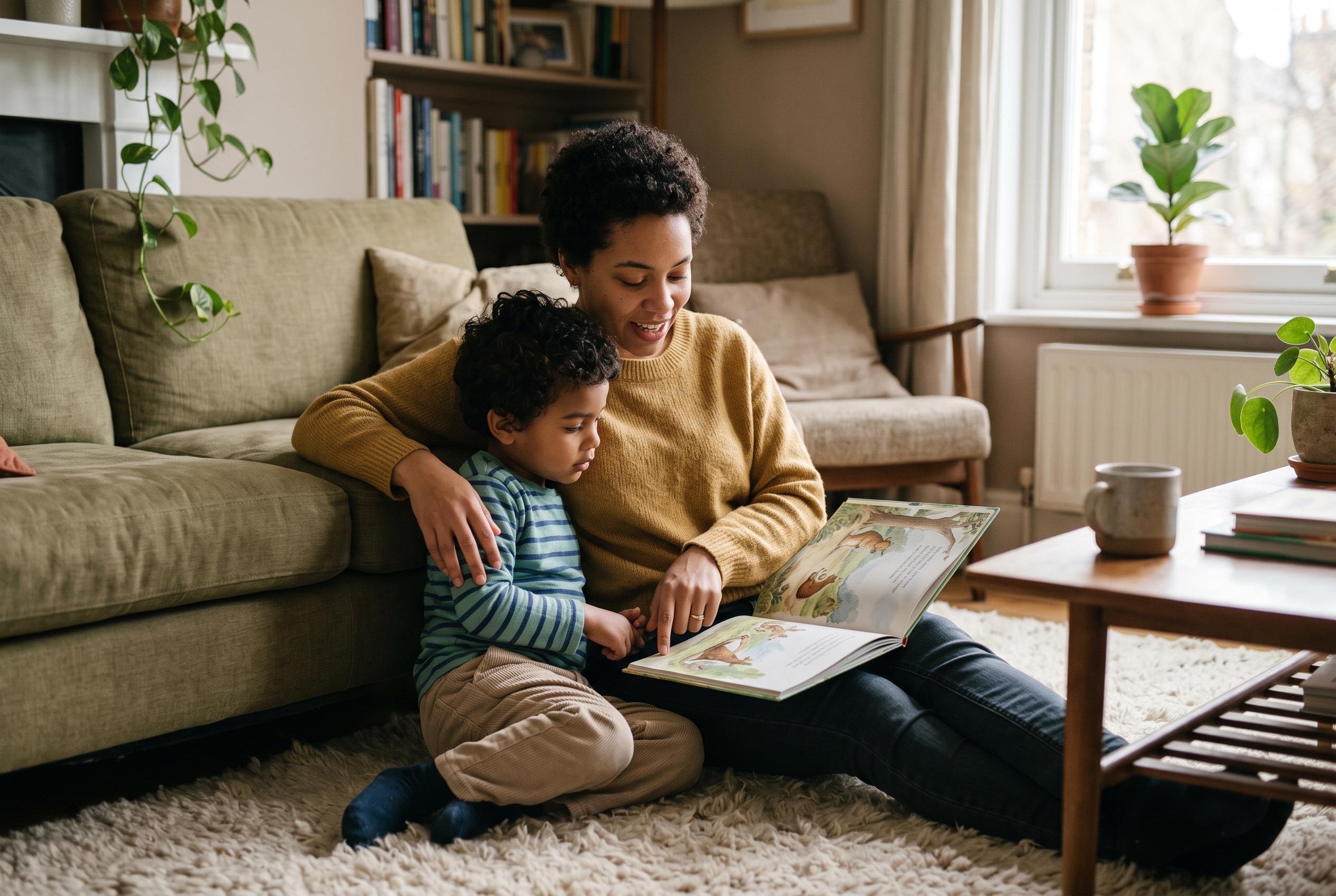

Child development experts emphasise that fostering a love for stories, language-rich interactions, and gentle familiarity with books are more effective for teaching young children to read than drills or formal instruction, shaping a joyful and sustainable literacy foundation.
The best way to help babies and toddlers learn to read is not to start with drills, but with books, talk and repetition. Child development specialists and parenting guides consistently stress that early reading grows best in a language-rich home, where books are easy to reach and reading feels like a shared game rather than a lesson. That approach matters because children are more likely to build the foundations for later literacy when they first learn to enjoy stories, pictures and words.
For babies, the goal is exposure, not performance. Reading aloud, naming objects in pictures and letting little ones handle board books all help them connect language with the world around them. Healthline and Reading Rockets both advise parents to keep sessions short, lively and interactive, with songs, rhymes and simple descriptions woven into the routine. Experts quoted by Speech Therapy Talk also recommend following a child’s attention, using varied tone and letting babies explore texture, colour and sound.
As toddlers grow, parents can begin pointing out how books work: front and back covers, pages, left-to-right movement and the idea that spoken words are made up of smaller sounds. At this stage, repetition and rhythm are useful. Rhyming books, predictable lines and simple questions can help children anticipate what comes next, which supports early reading skills. Several child-focused guides also suggest introducing letters gradually, beginning with the child’s own name and then building familiarity through alphabet books, fridge magnets or bath-time letters.
Phonics can come later, once a toddler is ready to connect letters with sounds. Teach the sounds of letters rather than their names at first, and keep the pace slow. TeachToddler.com recommends using phonics alongside sight words, while other guides note that children often learn best when the same sounds are heard in books, songs and everyday conversation. For many families, the most useful strategy is consistency: reading daily, talking about pictures and sounding out a few simple words without pressure.
Parents should also avoid comparing one child with another. Reading develops at different speeds, and pushing formal instruction too early can backfire. Akron Children’s says regular reading is what best prepares children to read independently later on, while other sources emphasise that enjoyment, not speed, should drive the process. The most effective home reading routine is usually the simplest one: keep books close, read often, choose stories children want to return to and let curiosity do the rest.
Disclaimer: This content is for informational purposes only and is not intended to be a substitute for professional medical judgment, advice, diagnosis, or treatment.