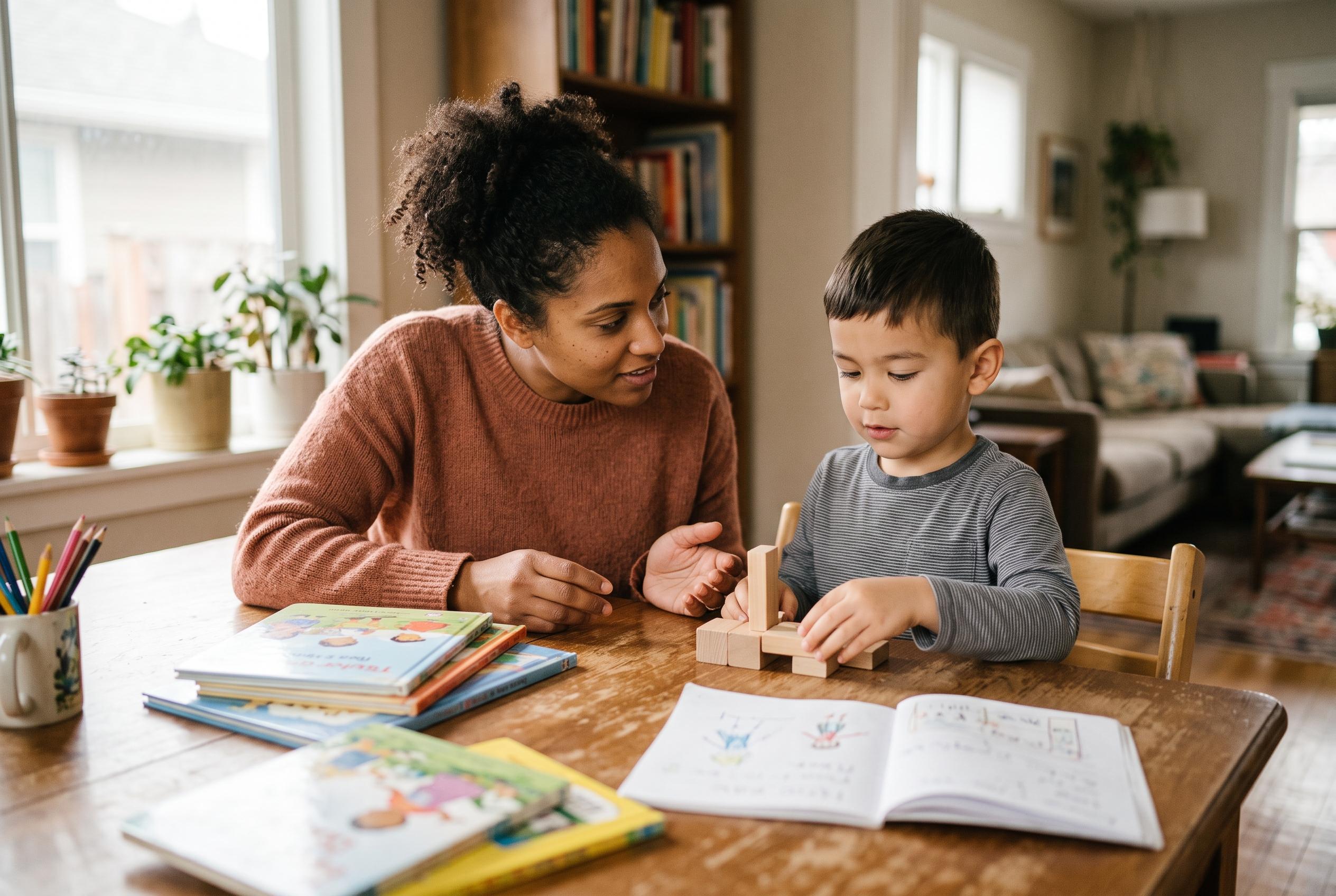

Recent insights from Psychology Today highlight the importance of tailoring responses to children’s misbehaviour, ranging from consequences to collaboration, to foster healthier development and reduce harsh punishments.
Parents often face the same uncomfortable question: when a child breaks a rule, should the response be a consequence, a punishment or a calm explanation? In a recent Psychology Today post, the writer said a colleague challenged the word “punishment”, arguing that it suggests the exercise of power. That objection prompted a broader reconsideration of how adults should respond when children ignore limits, hurt others or put themselves at risk.
The article draws a distinction between everyday misbehaviour and more serious conduct. For small children, a modest consequence, such as losing part of a bedtime routine after repeated fooling around, may be enough to make the point. The Centres for Disease Control and Prevention says consequences work best when they are immediate, consistent and clearly linked to the behaviour, with adults explaining the reason for the response in simple terms.
For toddlers, the writer argues that reasoning alone often does not work well when the child is hitting, biting or otherwise acting out in anger. That view is broadly consistent with a separate Psychology Today piece that separates discipline from punishment, describing discipline as teaching aimed at long-term skill-building. The article notes that toddlers have limited self-control, which makes firm intervention more effective than extended discussion in the moment.
At the same time, the Psychology Today post says reasoning can be useful for less harmful behaviours, such as whining or constant negotiating. It also points to a more collaborative approach for older children and teenagers, in which parents ask children to help decide what consequence would fit the behaviour. A paediatrician quoted in Screenagers argued that this can prompt children to think more carefully about why their actions were not acceptable and may reduce defensiveness by giving them some say in the outcome.
Recent research suggests many parents are already trying to move away from harsh responses. A University of Ottawa study of 183 Canadian parents of children aged two to six found that those who completed the Positive Discipline in Everyday Parenting programme reported less physical and emotional punishment and more proactive parenting, with the changes still present a month later. Taken together, the guidance suggests there is no single answer: parents may need to use stronger limits for dangerous or harmful behaviour, gentler consequences for routine rule-breaking and reasoning or collaboration when a child is developmentally ready to take part in the discussion.
Disclaimer: This content is for informational purposes only and is not intended to be a substitute for professional medical judgment, advice, diagnosis, or treatment.