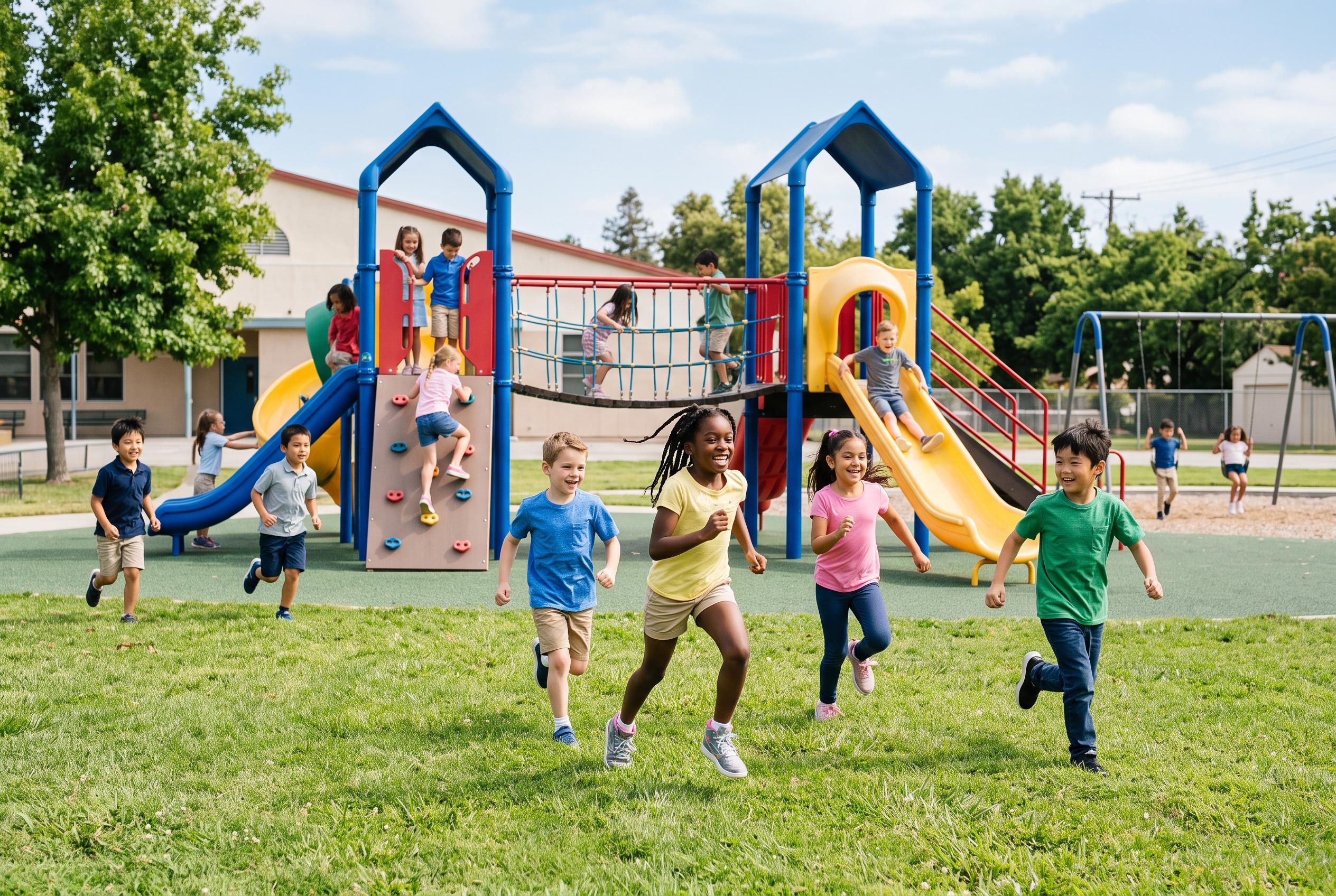

Updated guidelines from the American Academy of Pediatrics highlight recess as a vital component of the school day, supporting children’s physical, social, and emotional development amid concerns over sedentary lifestyles and screen time.
As families get ready for the new school term, it is worth looking again at children’s daily routines, from breakfast and homework to sleep and exercise. Moses Olorunnisola, a paediatrician at Hackensack Meridian Children’s Health, argues that recess is not an optional extra but a basic part of the school day, giving children a chance to reset mentally and physically after hours in structured lessons.
That view is echoed by the American Academy of Pediatrics, which has updated its guidance on recess for the first time in 13 years. The academy says recess supports children’s social, emotional, physical and cognitive development, and that it should be treated as a child’s personal time rather than something that can be taken away for academic or disciplinary reasons. The Centres for Disease Control and Prevention likewise says recess is a regularly scheduled part of the school day that helps students be active with their peers and can improve attention, memory and classroom behaviour.
Olorunnisola links that advice to wider concerns about children’s health, including obesity. The CDC says nearly one in five children and teenagers in the United States are affected by obesity, and recommends at least 60 minutes of physical activity a day. A protected recess period, he says, can help children move more consistently during the school day while also supporting coordination, social interaction and emotional regulation.
He also warns that indoor recess can lose much of its value when it turns into more screen time. Reports he cites suggest some schools now allow laptops or tablets during breaks, but extended screen use can add eye strain, headaches and mental fatigue, while reducing face-to-face play. His message is clear: schools should protect safe, active and inclusive recess every day, because children need time to play as much as they need time to learn.
Disclaimer: This content is for informational purposes only and is not intended to be a substitute for professional medical judgment, advice, diagnosis, or treatment.