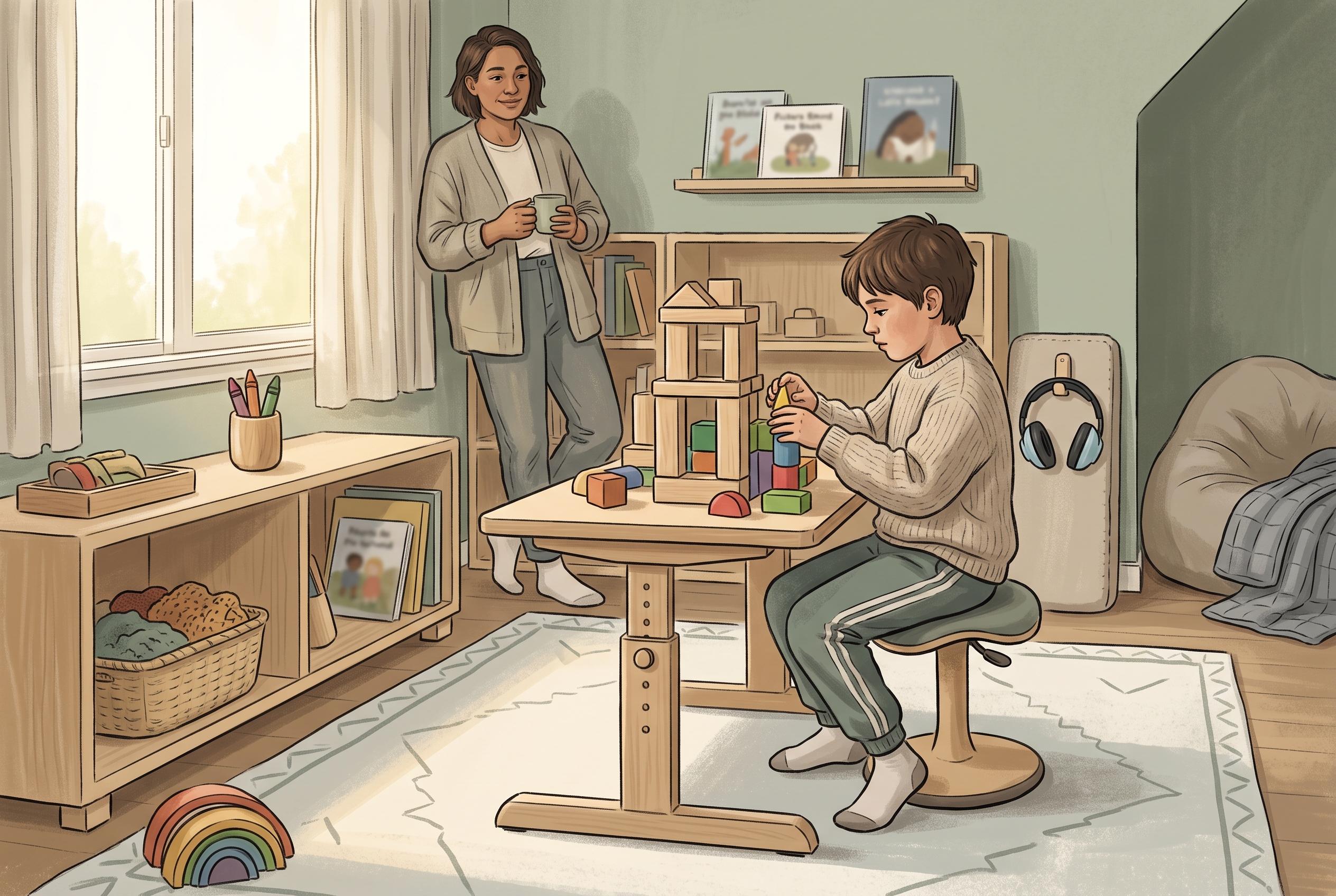

Psychologist Emily King advocates for a holistic and adaptable approach to supporting neurodivergent children, emphasising the importance of environment and collaboration over diagnosis-focused methods in her new book, ‘The Neurodivergent Learner’.
In a recent podcast conversation, psychologist Emily King argued that supporting neurodivergent children starts with the adults around them, not with forcing children to conform. King, a North Carolina-based child psychologist who has worked with families for more than two decades, said many learning struggles are rooted in whether a child feels safe, regulated and understood. That approach also shapes her new book, “The Neurodivergent Learner”, which is aimed at parents and educators.
King said she now spends much of her time helping parents and teachers rather than working directly with children, because the systems around a child often determine whether learning can happen at all. She described school success as depending on more than academic ability, pointing instead to sleep, hunger, emotional security, sensory load and the pace of instruction. When those pieces are out of balance, she said, children can appear inattentive, defiant or overwhelmed even when they are trying hard.
A central theme of the episode was that neurodivergent learning is not linear. King said children may make progress, then seem to go backwards during periods of stress, change or illness, and that this should not automatically be read as failure. She also pushed back on the idea that special education should be treated like a simple diagnosis-and-fix process, arguing that children with autism, ADHD or related differences often need flexible support that changes with the setting, the task and the time of day.
King placed particular emphasis on collaboration between home and school. If a child seems capable in class but falls apart after school, she said, that does not mean the problem is imaginary; it may simply mean the child has exhausted all available energy. She urged parents and teachers to compare what the child looks like in each setting, then use that information to decide whether homework, routines or classroom expectations need adjusting. Her website says she also offers workshops and professional development for educators.
The book, which is available through major retailers and in audiobook and Kindle formats, extends beyond schoolwork to friendships, self-care, interests and belonging. King said success should be measured more broadly than grades or milestones such as graduation, especially for children who do not fit a traditional classroom model. Her message throughout was simple: if a child is struggling, the goal is not to blame the child, but to build a better fit between the child and the environment.
Disclaimer: This content is for informational purposes only and is not intended to be a substitute for professional medical judgment, advice, diagnosis, or treatment.