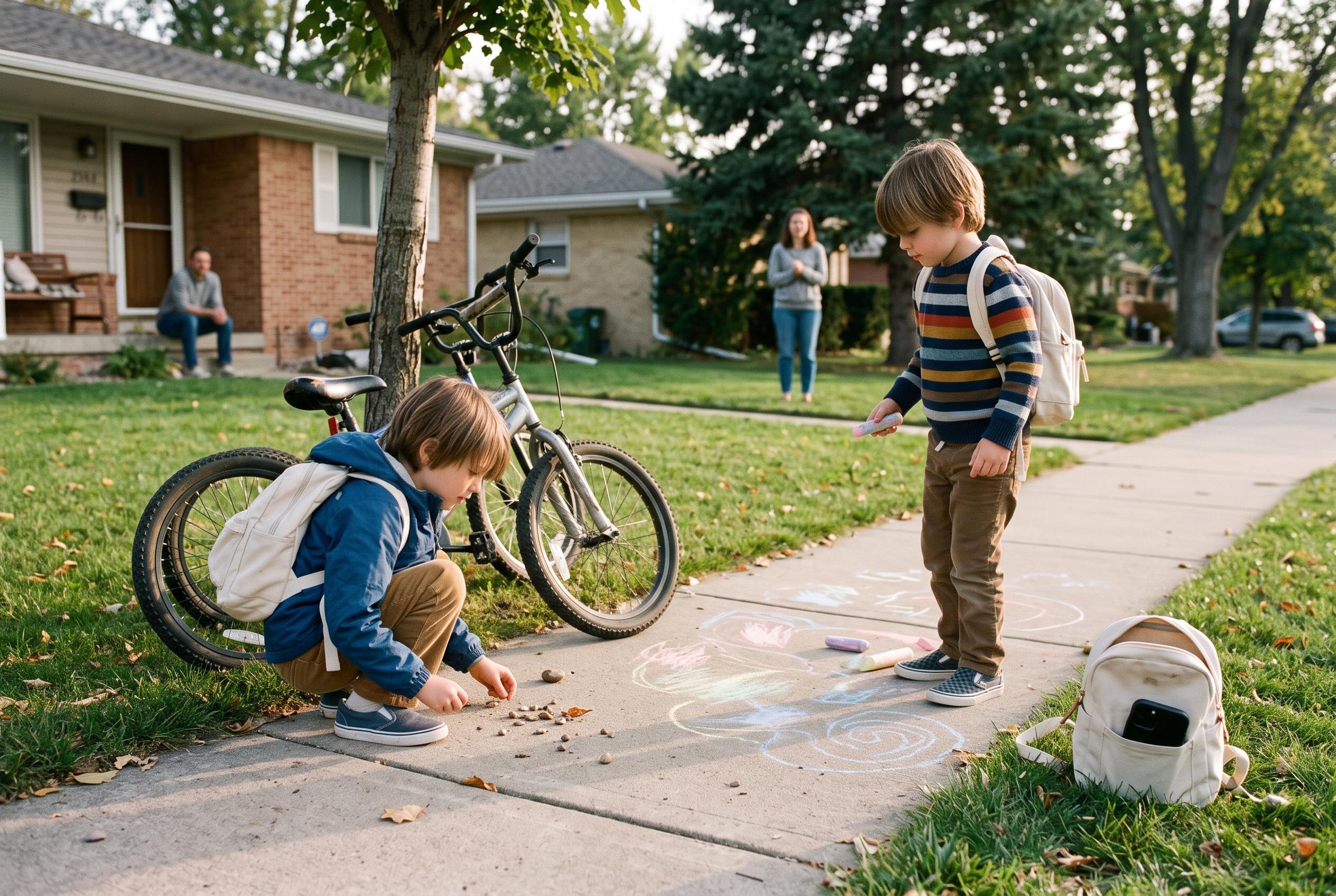

Psychologist Peter Gray calls for a shift in how society approaches childhood, emphasising free play and independence over structured activities and digital distractions, challenging recent narratives linking social media to teen mental health issues.
Marc Bekoff has long studied animal play, and that interest made him an immediate admirer of Peter Gray’s work on childhood development. In a recent conversation, Bekoff highlighted Gray’s new book, “Restoring Childhood: How to Set Kids Free in the Age of Anxiety”, as a forceful argument for giving children more room to play, roam and grow without constant adult direction.
Gray said the project began as a different book about play, but shifted course after Jonathan Haidt published “The Anxious Generation” in March 2024. While Gray agreed that children need more outdoor freedom, he said he was troubled by Haidt’s emphasis on smartphones and social media as a major driver of teen mental health problems. Gray argued that the public debate has relied too heavily on a narrow slice of research and has overlooked broader reviews and meta-analyses that, he says, do not show a meaningful link between teens’ technology use and their mental health.
At the heart of Gray’s argument is a simple claim: childhood should be a period of growing independence. He says children need time to explore, daydream and organise themselves through play, rather than being packed into adult-run activities and tightly structured schooling. He also argues that early academic pressure, especially in preschool and kindergarten, can do more harm than good, and that competition, intensive parenting and over-supervision leave children less confident, less resilient and less socially capable.
That view is consistent with guidance from the American Academy of Pediatrics, which has described play as central to healthy development. The academy says play helps children build imagination, negotiate with others, solve problems and manage stress. Health experts also note that outdoor play can support mood, attention and emotional regulation, while reducing stress and behavioural difficulties.
Gray is not writing only for parents. He said he wants educators, planners, librarians, paediatricians and local officials to think about how public spaces and everyday routines can better support children’s freedom. He also takes a broader view of modern life, arguing that digital play is now part of the real world and should not be treated as an automatic threat. For Gray, the goal is not to return to some idealised past, but to restore the conditions in which children can become more independent, more capable and more fully themselves.
Disclaimer: This content is for informational purposes only and is not intended to be a substitute for professional medical judgment, advice, diagnosis, or treatment.