

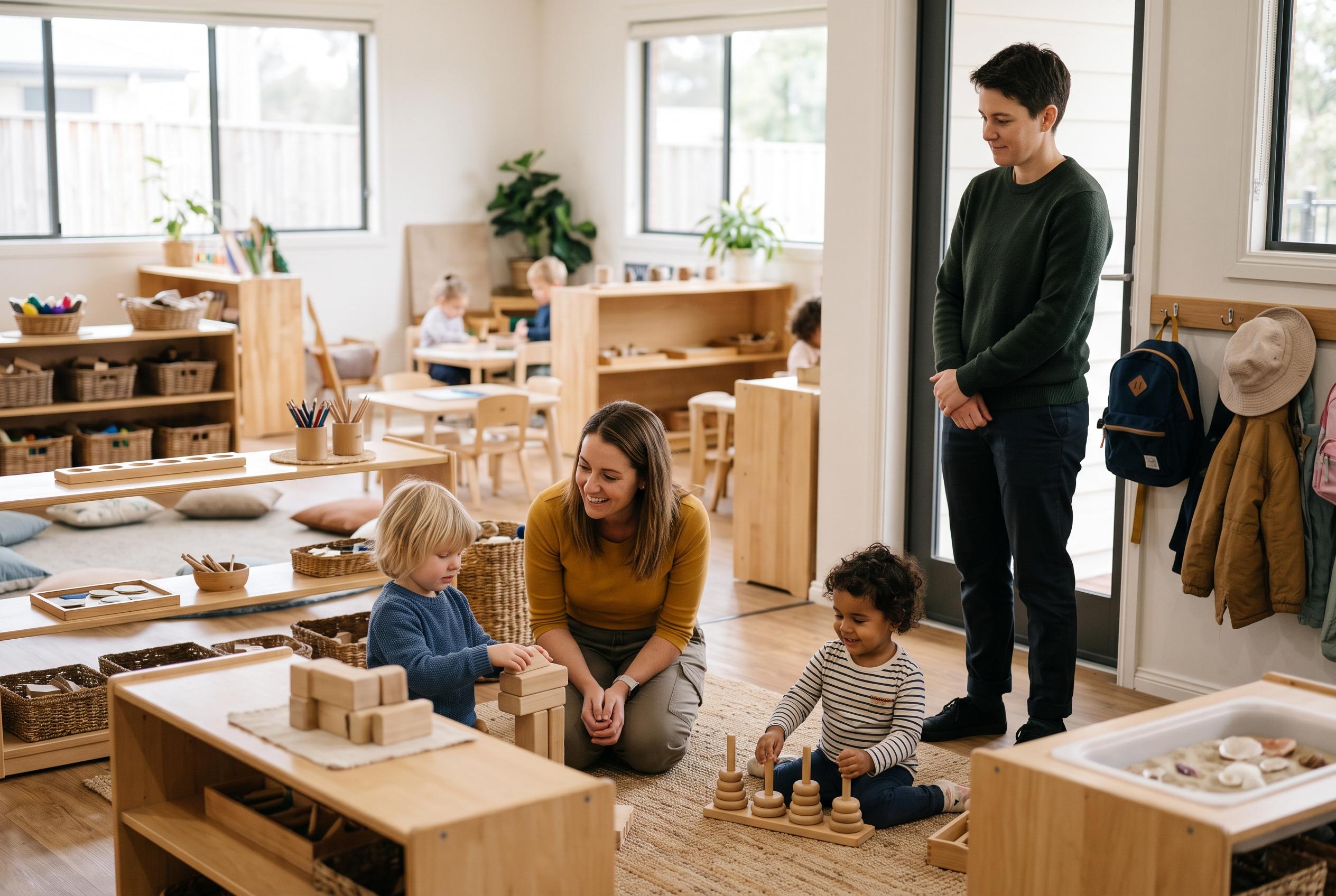

Childcare expert Kelly Trendle emphasises that understanding a preschool’s approach, daily structure, and environment is crucial for parents making the best educational choice for their children, beyond just cost and location.
Choosing a preschool is one of the first major decisions many families make about a child’s education, and childcare expert Kelly Trendle says parents should look far beyond proximity and price when weighing options. In a HelloNation article, Trendle, an administrator at Brilliant Start Academy in Amherst, Ohio, says the best fit depends on how a programme is structured, what kind of learning it offers, and whether its daily rhythm matches a child’s needs and temperament.
One of the most important questions is what kind of classroom philosophy a school follows. According to guidance from education sites that advise parents on preschool selection, families should compare curriculum approaches, teacher qualifications, student-to-teacher ratios, safety standards, and the quality of communication with parents. Some schools lean towards play-based learning, while others take a more academic route or use approaches such as Montessori or Reggio Emilia, and the right choice often depends on how a child learns best and what values a family wants reinforced.
Trendle also points parents towards the details of everyday care. A strong preschool, she says, should offer activities that suit a child’s age and development, with music, hands-on exploration and guided play helping to introduce early concepts in a natural way. The article argues that consistent routines for meals, rest and activities can give young children a sense of security, while social and emotional learning remains just as important as early literacy or numeracy. Children need chances to practise sharing, taking turns and resolving small disagreements with help from adults.
Observing the classroom can tell families more than a brochure or website ever will. GreatSchools, which has published advice for parents comparing preschool options, says children should spend much of the day actively engaged with materials, play and other children, rather than sitting passively. Other parenting guides recommend touring schools well before enrolment, ideally six to 12 months ahead, so parents can assess how staff interact with children, whether the atmosphere feels calm and welcoming, and how the school handles conflict, daily structure and changes in routine.
Trendle also stresses practical concerns that affect a child’s day-to-day experience, including class size, outdoor time, meal policies, allergy accommodation, emergency procedures and building security. The HelloNation article says parents should ask how often children go outside, whether meals are provided, how updates are shared and whether the school welcomes questions from families. Cost matters too, but the article suggests that tuition should be judged alongside what is included, because a higher price does not automatically mean better care or instruction. In the end, Trendle says, visiting schools and watching how children respond in person is often the clearest way to judge whether a programme will support kindergarten readiness and fit comfortably into family life.
Disclaimer: This content is for informational purposes only and is not intended to be a substitute for professional medical judgment, advice, diagnosis, or treatment.



