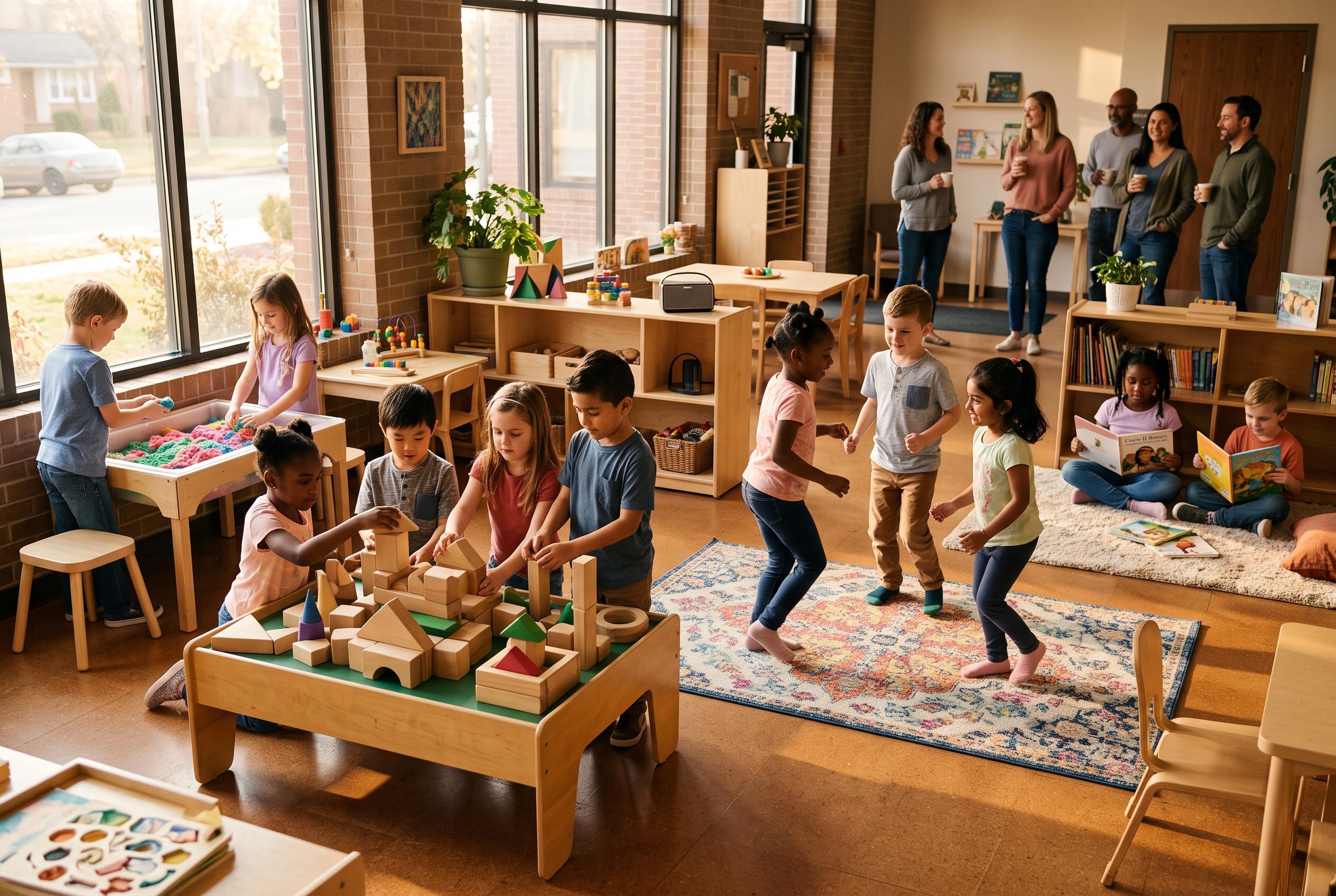

As families adjust to new priorities, parents are increasingly choosing after-school activities that balance fun, development, and trust, with innovation in movement, learning, and free play reshaping children’s routines.
As summer holidays draw to a close, many parents face the same familiar puzzle: which after-school activity will suit their child, fit the family timetable and still feel worthwhile by the end of term? The choice is broader than ever, but the pressure has also shifted. Parents are no longer looking only for a way to fill an afternoon; they want something their child will enjoy, something that supports development and something run by people they trust.
Jakub Reindl, chief executive of KROUŽKY, says families are now paying far closer attention to the atmosphere of an activity as well as its practicalities. They want children to look forward to going, to have new experiences and to be in safe hands, while also keeping an eye on when and where sessions take place. That balance between enrichment and logistics has become central to the decision. Activities that once seemed optional are increasingly treated as part of the wider routine of family life.
Traditional choices such as sport, dance and art still have a strong place, but many children are also drawn to activities that feel more exploratory. Science clubs, for example, have grown in appeal because they let children test ideas, handle equipment and learn by doing rather than simply listening. WebMD says extracurricular activities can support physical health, self-esteem, mental wellbeing and social skills, while GreatSchools notes that the best results usually come when an activity matches a child’s age, interests and developmental stage. The aim is not to overload children, but to give them something that feels both fun and meaningful.
Movement is changing too. Not every child wants competition, medals or a fixed training schedule, but that does not mean they dislike being active. Newer formats, such as laser game, combine running, tactics and teamwork in a setting that feels more like play than practice. English classes are also being redesigned in a similar spirit, using games, songs and everyday situations so that children practise speaking without the pressure of marks or mistakes. That approach can make learning feel less like homework and more like part of real life.
Experts also caution against crowding every afternoon with organised activity. Research and guidance from children’s education and health organisations suggest that free play still matters because it gives children room to make up games, use imagination and learn to solve problems on their own. Costs can also vary widely depending on the region and the venue, though in many cases a term or half-year of classes is priced at around two thousand Czech koruna, and some families may be able to offset part of the expense through health insurers, employers or city programmes. In the end, the most useful rule is the simplest one: the best activity is usually the one a child genuinely wants to attend.
Disclaimer: This content is for informational purposes only and is not intended to be a substitute for professional medical judgment, advice, diagnosis, or treatment.