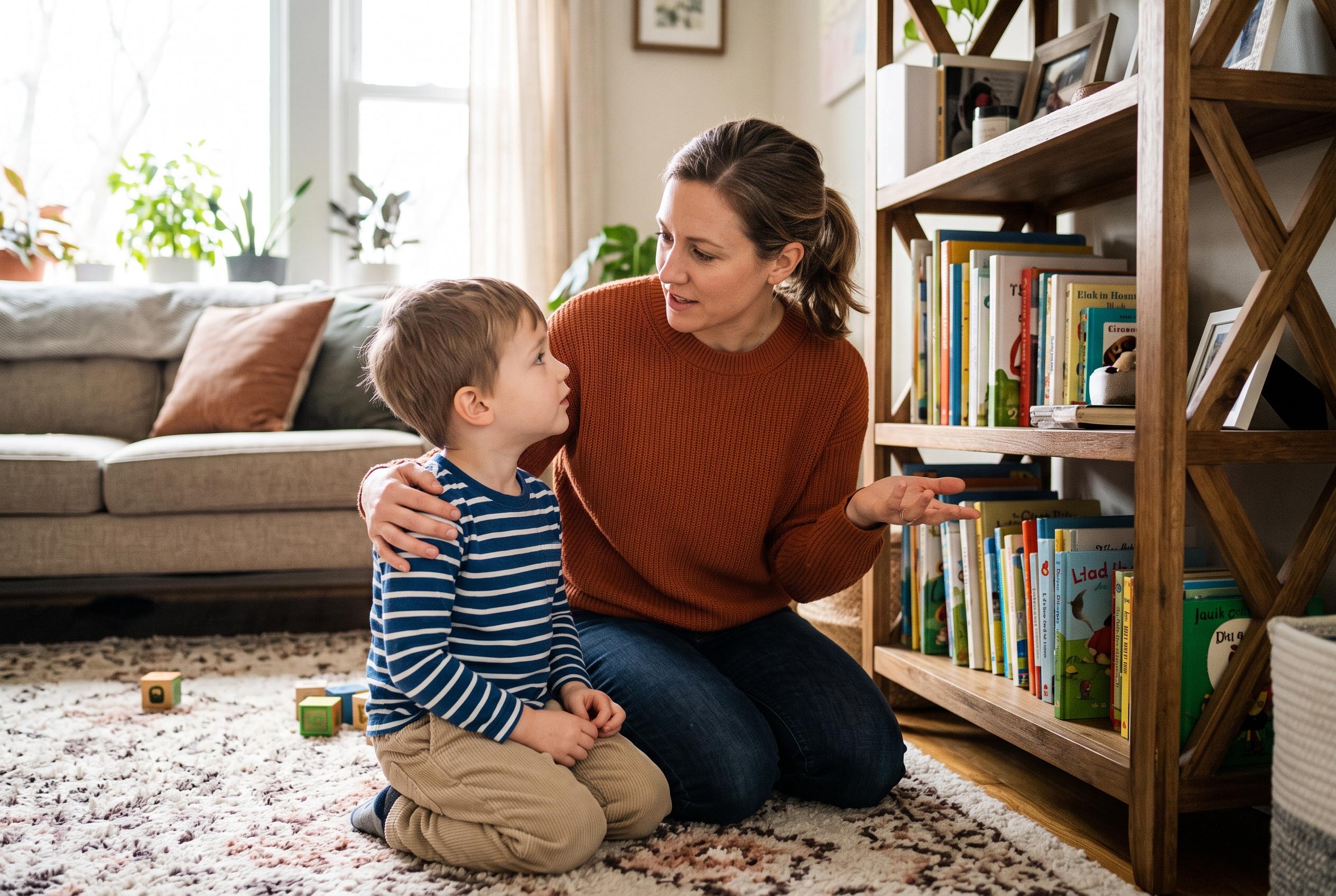

Research indicates that nurturing parenting, characterised by warmth and explanation, plays a crucial role in developing children’s empathy and kindness, with long-lasting effects even under extreme pressure.
Warm, thoughtful parenting does more than create a pleasant home. Research suggests it is linked to children growing into adults who are more empathic, more generous and more inclined to act for others. But the effect appears to come less from warmth alone than from the way that warmth is used: by helping children understand the impact of their behaviour on other people.
Psychologist Martin Hoffman argued that empathy and conscience are built when parents do not merely punish but explain. In his view, the crucial move is induction: drawing a child’s attention to how someone else has been affected, rather than relying on force or a blunt “because I said so”. A 1996 study by Jean Krevans and John Gibbs backed that idea, finding that children whose parents used more explanatory discipline were generally more empathic, and that empathy helped translate parenting into prosocial behaviour.
That pattern has shown up in newer research too. A 2024 study published in a ScienceDirect journal found that parental warmth was positively associated with children’s prosocial behaviour, with self-efficacy acting as part of the pathway. In other words, children who felt more capable tended to be more helpful, especially when warmth at home was reinforced by positive encouragement from teachers. Other studies, including longitudinal work on adolescents, have found that steady parental warmth is linked with stronger prosocial habits over time.
The idea that parental warmth shapes moral behaviour also has a darker, more striking test case. Sociologists Samuel and Pearl Oliner interviewed people who had risked their lives to shelter Jews in Nazi-occupied Europe and compared them with bystanders from the same communities. The rescuers commonly described childhoods marked by caring adults, explanation rather than hitting and explicit lessons about tolerance. Those early habits, the Oliners argued, became so ingrained that they could reappear under extreme pressure as a reflex to help.
Even so, the research does not support a simple rule that good parents automatically produce good adults. Parenting influences are probabilistic, not absolute, and families also share temperament and, in some cases, genetic traits. A separate study on fathers published in PubMed found that children’s own prosocial behaviour and fathers’ warmth can shape one another, suggesting the relationship runs both ways. The broader picture is still encouraging: kindness seems to be learned most reliably when affection is paired with explanation, consistency and a steady habit of helping children notice other minds.
Disclaimer: This content is for informational purposes only and is not intended to be a substitute for professional medical judgment, advice, diagnosis, or treatment.