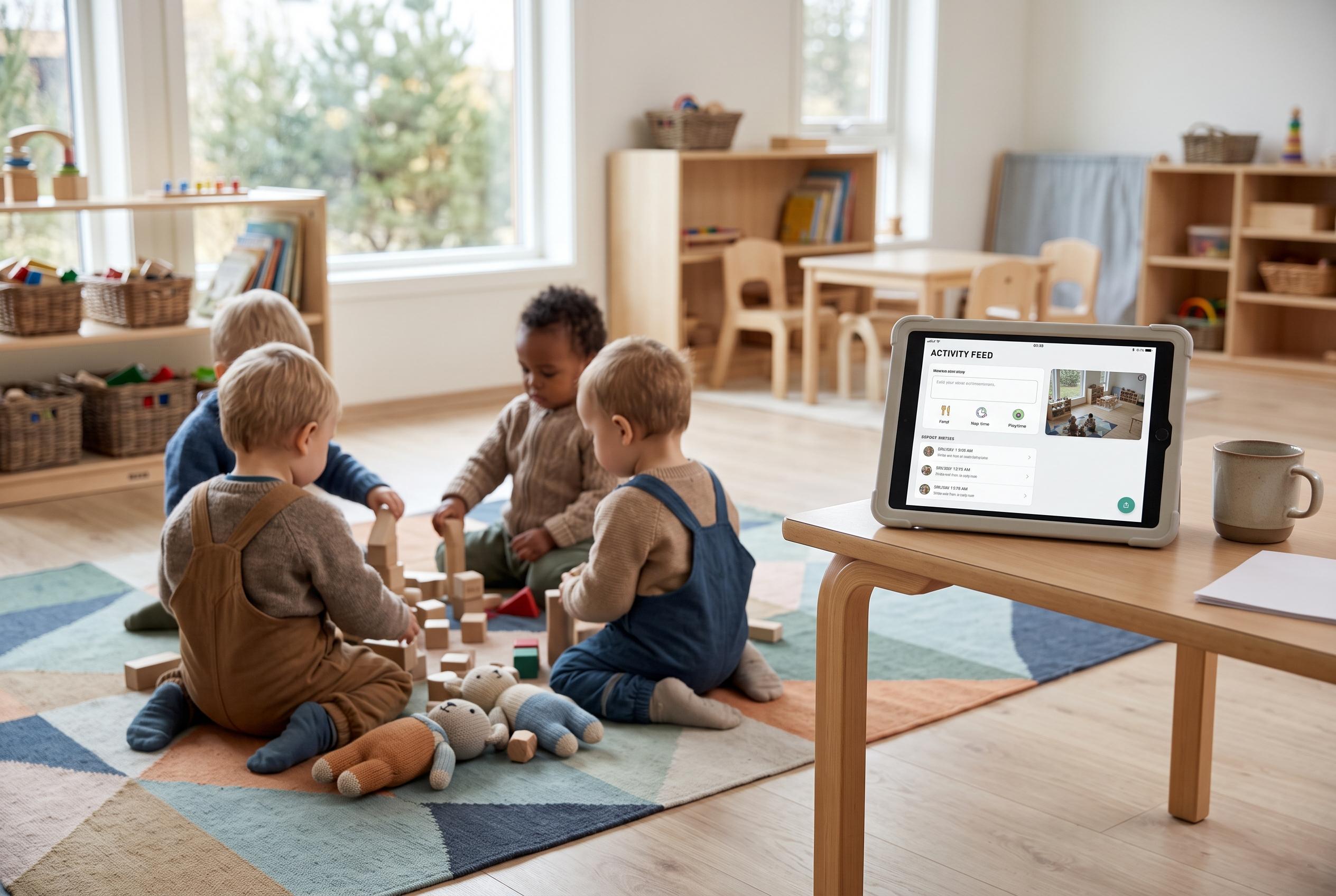

As Norwegian nurseries increasingly use digital apps to share children’s activities in real time, a child psychologist cautions this trend may foster unhealthy parental monitoring and undermine trust in early childhood care.
As more nurseries lean on digital apps to share children’s days in real time, one Norwegian child psychologist has warned that the trend can push parents towards an unhealthy desire to monitor every detail. In a response to a reader, Line Marie Warholm said it was odd to want staff to spend time documenting activity instead of being present with the children.
The reader, whose child is due to start nursery soon, said the setting promoted an app that records sleep, activities, crafts, songs and photos. Warholm’s view was that this level of reporting can create a false sense that parents should be able to track the whole day, even though early childcare is meant to help families practise gradual separation and trust adults to provide care without constant proof of what happened.
Her comments sit alongside Norway’s own framework for nursery oversight, which focuses on whether provision is varied and adapted to individual children and groups. According to the Norwegian Directorate for Education and Training, nursery owners are responsible for care, play, learning, social development and communication, while municipalities and county governors may inspect whether those duties are being met.
At the same time, the sector’s inspection system has come under scrutiny. Barnehagemonitor has reported a sharp fall in the number of inspections over the past decade, and says half of Norwegian municipalities do not carry out any inspections in a given year. The Directorate also requires nurseries to have systematic internal control, including routines for spotting risks, following up deviations and reviewing written procedures.
The wider debate is not only about paperwork, but about what kind of relationship parents should have with early years settings. Research on childcare and family involvement in England suggests that engagement between parents and providers can support healthy habits and build trust, but other studies show that standards and rules vary widely across childcare systems, especially around menus and nutrition. In that context, Warholm’s argument is that useful communication should inform parents without turning nursery life into a stream of surveillance.
Disclaimer: This content is for informational purposes only and is not intended to be a substitute for professional medical judgment, advice, diagnosis, or treatment.