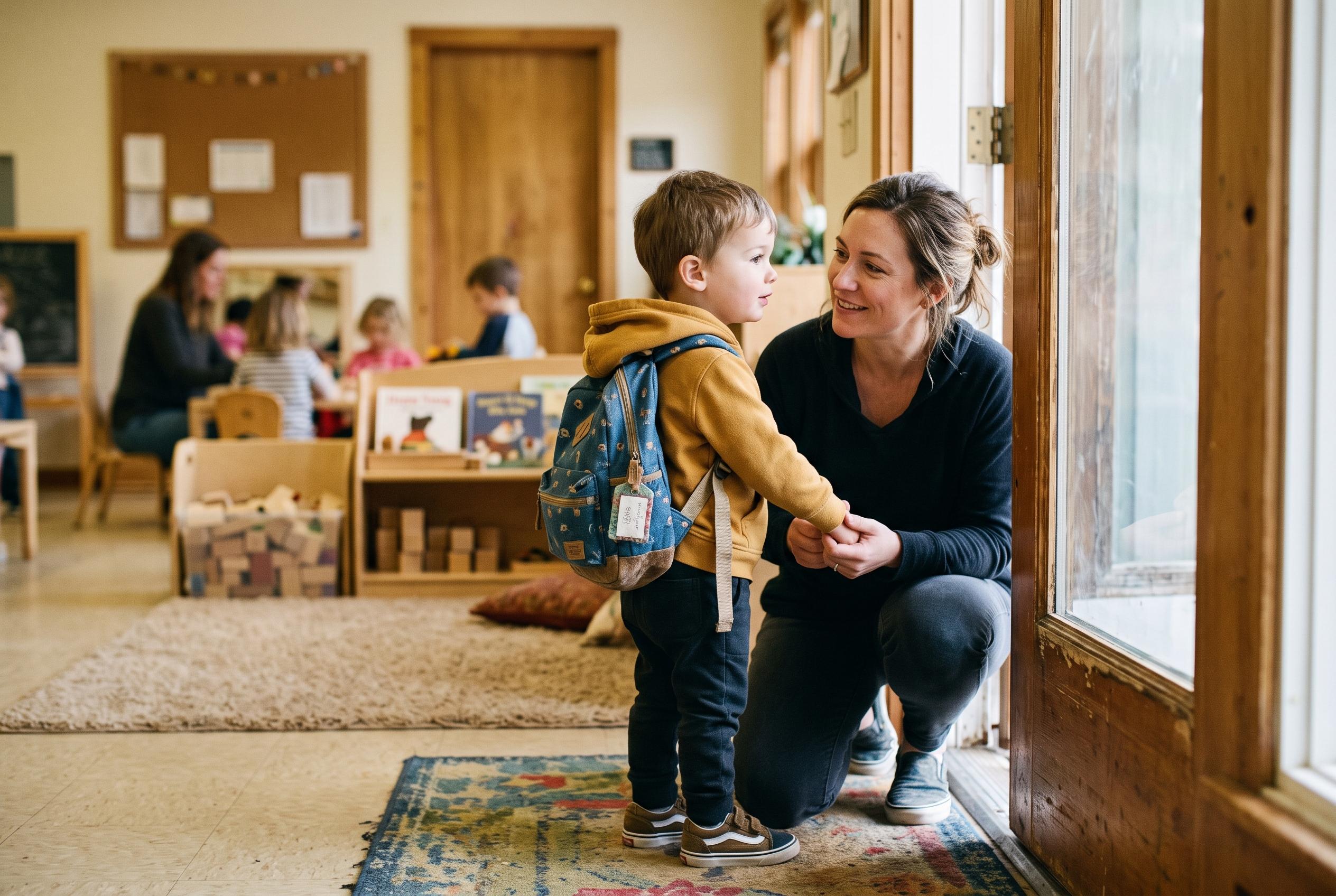

Psychologist recommends involving children in preparations, establishing routines, and managing adults’ behaviour at drop-off to support children through the emotional adjustment to school, with guidance on recognising when professional help may be needed.
Starting preschool can be a major emotional shift for young children, especially when it is the first time they are separated from their parents for several hours. Psychologist Estefanía Heredia told Yucatán that the adjustment period can last two to four weeks, depending on a child’s routines, habits and earlier experiences. That timeline is broadly in line with paediatric guidance that says separation anxiety is a normal developmental stage for many infants, toddlers and preschoolers, although the length of adjustment varies from child to child. According to Cleveland Clinic and the American Academy of Pediatrics, brief distress at drop-off is common and does not necessarily signal a deeper problem.
Heredia said it is normal for children to cry or resist during the first days at school, but many settle within minutes once their parents leave. She advised involving children in preparations such as buying school supplies, packing the backpack and covering books, as well as using stories, games or role-play to make the new setting feel familiar. Visits before classes begin can also help, because seeing the classroom, meeting the teacher and greeting future classmates reduces the uncertainty that often drives fear. Child-development specialists at Dzieckologia and HealthyChildren.org likewise recommend short, confident goodbye rituals and predictable routines rather than long, hesitant farewells.
The psychologist also warned that adults’ behaviour at drop-off can shape how safe a child feels. Leaving without saying goodbye, extending the farewell or using guilt-laden phrases can make school seem threatening, while collecting a child late or ignoring the school’s schedule can undermine trust. She said it is better to keep departures brief, warm and firm, using concrete markers of time that children understand, such as finishing lunch or hearing the bell, rather than abstract explanations about when they will be picked up. Similar advice appears in parenting guidance from HealthyChildren.org and in reports on preschool adaptation, which stress that consistency helps children learn that separations end and that caregivers return.
If intense resistance continues for four to six weeks and begins to affect a child’s social life, learning or family routines, Heredia said it may be time to seek professional help for possible separation anxiety disorder. Warning signs can include stomach aches, nausea, vomiting, headaches before school, nightmares, sleep problems, appetite changes, unexplained crying, regressive behaviour such as bed-wetting or asking for a dummy again, and withdrawal from play. Cleveland Clinic and other paediatric sources say separation anxiety can be normal, but persistent distress that interferes with daily life deserves medical attention.
Disclaimer: This content is for informational purposes only and is not intended to be a substitute for professional medical judgment, advice, diagnosis, or treatment.