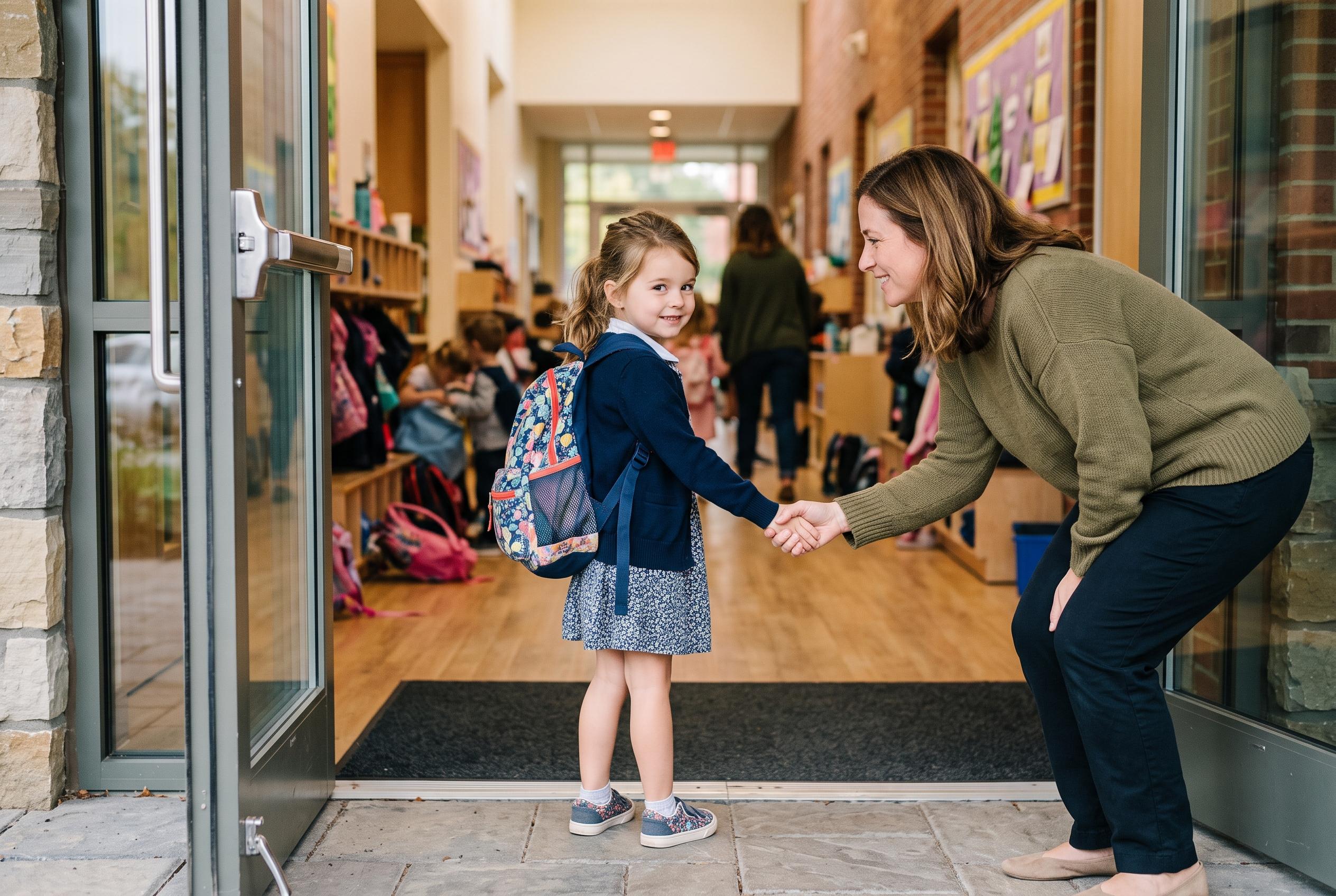

As families prepare for the new academic year, experts reveal innovative approaches to help children overcome first-day nerves, emphasising routines, familiarisation, and recognising anxiety signals amidst rising mental health awareness.
As families prepare for the new school year, the clearest message from recent advice for parents is that first-day nerves are ordinary, especially for children starting school for the first time. What matters more, specialists say, is how quickly those worries settle once the routine becomes familiar. The American Psychological Association says the return to school often stirs a fear of the unknown, while more recent guidance from K12 and the National Alliance on Mental Illness says that butterflies, tears at drop-off and a few restless nights can all sit within a normal adjustment period. (apa.org)
Younger children tend to worry about very concrete things. K12 says primary-age pupils are often anxious about separating from parents, getting lost or not knowing whether a friend will be in the same class, while NAMI notes that anxiety may show up physically through headaches, stomach problems or sudden clinginess. Rather than brushing that off, both NAMI and the APA advise adults to listen carefully, name the feeling and show children that being nervous does not mean something is wrong. (k12.com)
The most consistent practical advice is to begin the transition before term starts, not the night before. The APA recommends reintroducing school routines a week or two early, and K12 suggests starting two to three weeks ahead if possible. Harvard Health offers a concrete way to do it: work backwards from wake-up time. If a child needs to be up at 7am, the publication says, bedtime should be no later than 9pm, with screens switched off about an hour beforehand and quieter activities such as stories or calm play taking over. (apa.org)
Experts also say children cope better when adults make the day feel predictable. Harvard Health recommends talking through the shape of the day from getting dressed and travelling to school to what happens at pick-up. The APA suggests a walk-through of the building or asking staff to show a classroom or locker in advance, and K12 recommends going as far as practising the walk into class while a parent waits outside. NAMI likewise advises rehearsing the journey and discussing drop-off scenarios before the first morning arrives. (health.harvard.edu)
Preparation is not only about feelings. Understood says kindergarten can feel particularly daunting either because it is a child’s first structured school setting or because they are moving from a small preschool room into a much larger class. Its advice includes practising pencil grip, letter formation, child-safe scissors, one- and two-step directions and even how to ask a teacher for help. If naps are still part of the day, the organisation suggests trimming them gradually before school begins. Understood, K12 and the APA also all point to the value of familiarity with other children, whether through playdates, neighbourhood introductions or time with classmates before term begins. (understood.org)
When anxiety does surface, the tone adults use can make a difference. In KQED’s advice guide, child-development specialists urge parents to explain what to expect, use reassuring language and remind children that “grown-ups come back” at the end of the school day. The same piece suggests creating a small goodbye ritual and keeping conversation open after school; first-grade teacher Jarod Renford said a note in a lunch box or on a desk can help a child feel confident. NAMI makes a similar point from a mental-health perspective, urging parents to validate fears first and then work with the child on possible solutions instead of rushing to argue the worry away. (kqed.org)
Several of the guides note that parents may need to simplify their own plans as well. Harvard Health advises laying out clothes the night before, trying packed lunches in advance and sorting back-up pick-up or childcare arrangements before the first week begins. It also warns against overloading children, or adults, with too many commitments at the start of term. NAMI suggests giving children a measure of control by letting them choose an outfit, plan a favourite breakfast or look forward to a small treat afterwards, while KQED highlights the value of a little extra connection before and after school to soften the emotional crash some children feel once they are home. (health.harvard.edu)
There is, however, a point at which ordinary nerves stop looking ordinary. K12 says mild anxiety that improves within one to two weeks is usually typical, but parents should contact a paediatrician or mental health professional if distress lasts beyond two to four weeks, interferes with daily functioning or becomes overwhelming. NAMI says schools may also be able to help with a preferred teacher hand-off, a gradual transition plan or, where needed, an accommodation plan. In other words, the first week back may be bumpy, but families are not expected to manage persistent anxiety alone. (k12.com)
Disclaimer: This content is for informational purposes only and is not intended to be a substitute for professional medical judgment, advice, diagnosis, or treatment.