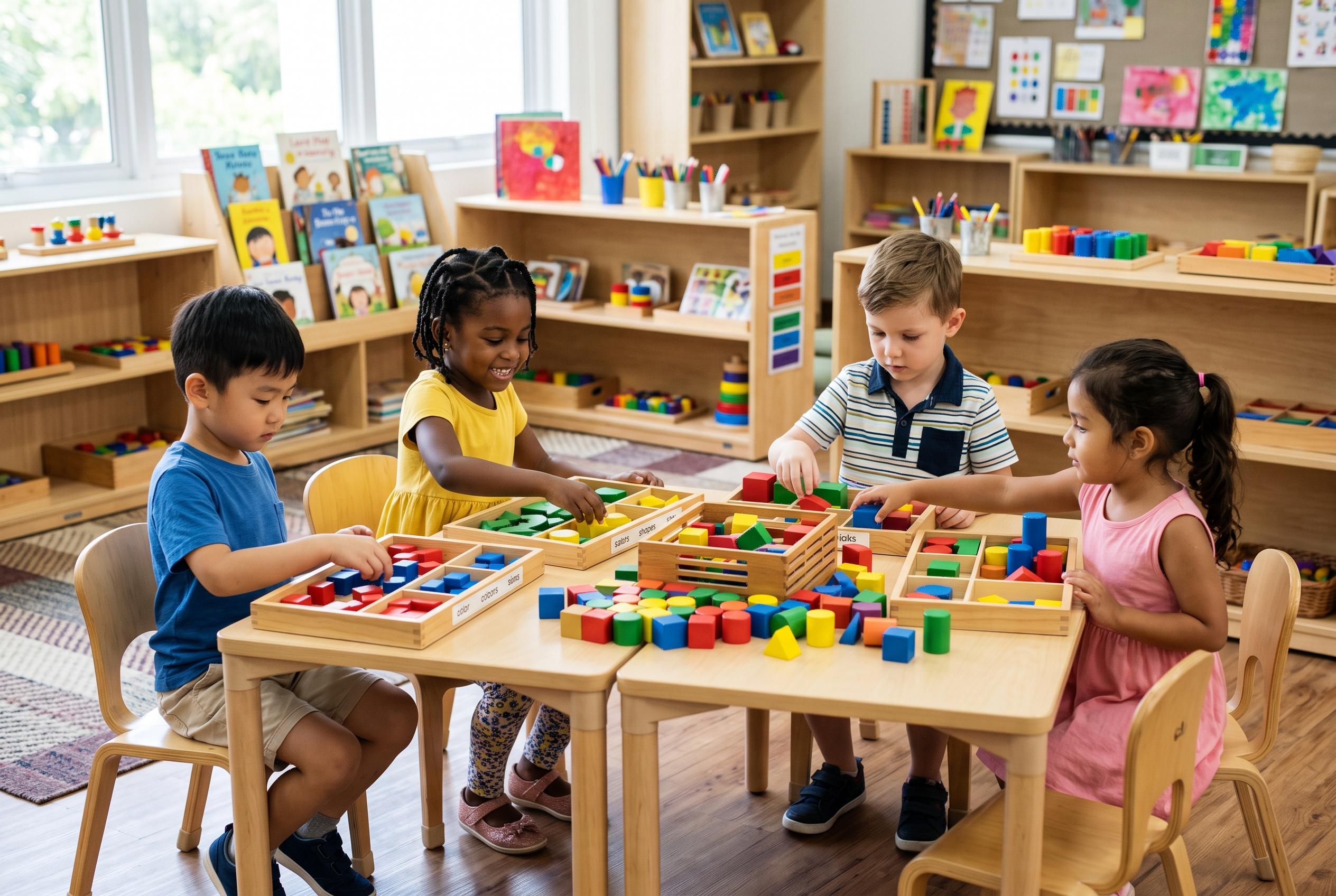

Research emphasises social, emotional, and cultural preparation for children moving into primary school, with community and family involvement making the change smoother.
Starting school can be a major turning point for young children and their families, and educators say the best preparation begins long before the first day in class. Research into the move from early childhood education to primary school shows that readiness is about far more than literacy and numeracy. Social and emotional confidence, the ability to communicate, growing independence and a child’s familiarity with the school setting all help ease the change, according to work published by the New Zealand Council for Educational Research.
Dr Sally Peters, who has studied transitions between home, early learning and primary school, has argued that simple practical steps can make a real difference. Visiting schools, talking about what class will be like, and reading or singing about school can help children build clearer expectations and feel more settled about the shift. The research suggests children cope better when the move feels known rather than sudden.
That process also depends on strong relationships between early childhood centres, schools and whānau. A Centre of Innovation project at Māngere Bridge Kindergarten found that careful communication helped children and families move more confidently across the divide between the two settings. Other research, including work with Pacific early childhood centres, has pointed to the importance of understanding a child’s prior experiences and making sure schools are ready to receive that knowledge, not just the child.
For Māori whānau, the transition can also be about maintaining identity, language and culture as tamariki move into a new environment. The Waatea News report said that parents and caregivers can support the change by talking positively but realistically about school, creating routines, encouraging independence and helping children become familiar with their kura, classroom and teachers. The broader message is that school readiness is not only an academic test. It is a shared process that helps tamariki arrive with confidence, connection and a sense of belonging.
Disclaimer: This content is for informational purposes only and is not intended to be a substitute for professional medical judgment, advice, diagnosis, or treatment.