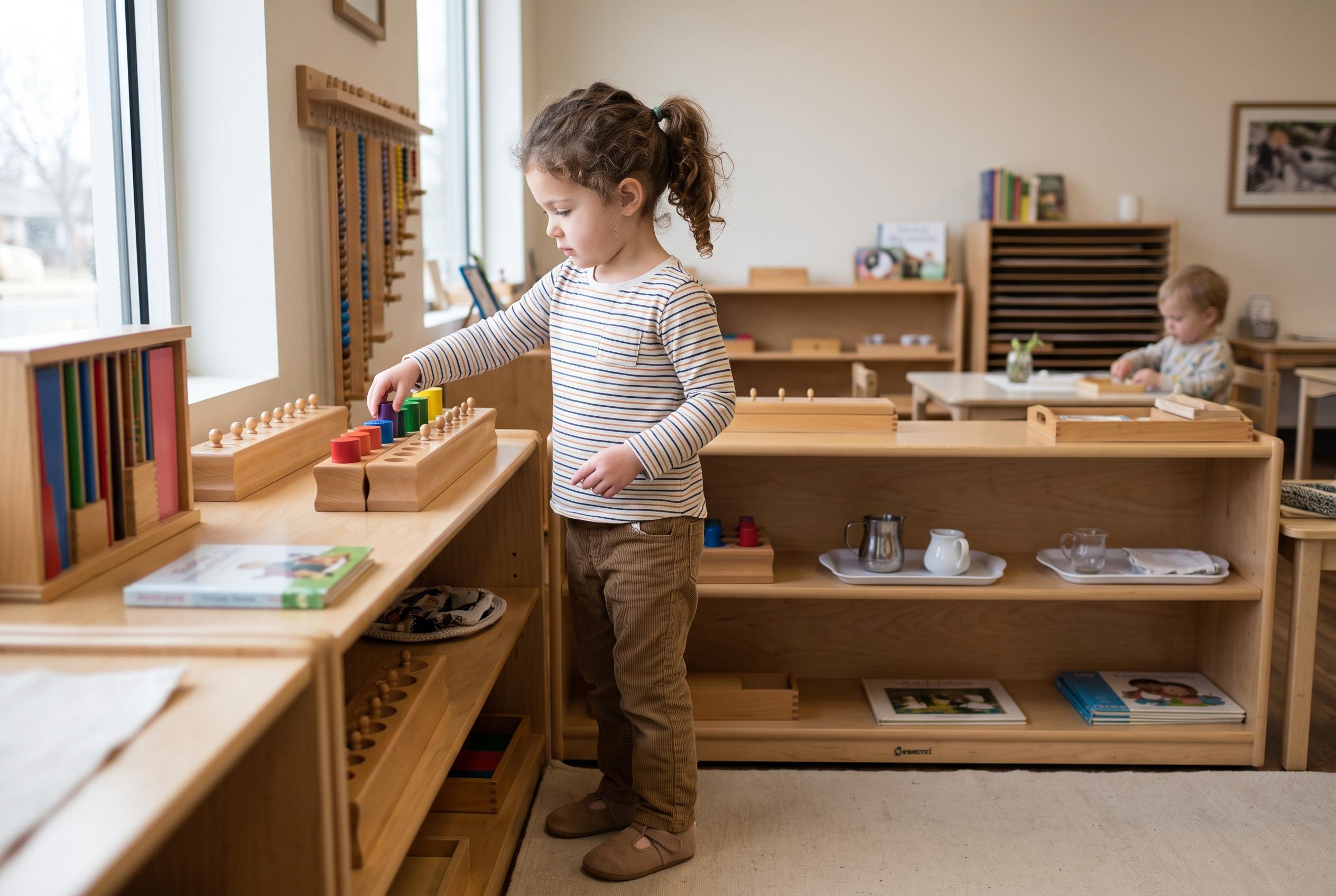

Recent reflections underscore how Montessori’s concept of the absorbent mind continues to shape effective early years teaching, emphasising the power of environment and repetition in child development.
Maria Montessori’s idea of the absorbent mind remains central to how many educators think about early childhood, because it describes the way children from birth to about age 6 seem to take in language, movement, social cues and daily routines almost effortlessly. Montessori’s books and reference materials say this period is when children are forming the foundations of personality, coordination and habits that can last a lifetime.
The concept is often explained through simple examples parents recognise: a toddler copying a gesture after seeing it once, or a child hearing new words in conversation and quickly beginning to use them. Community Montessori resources describe this as a temporary but powerful stage in which children unconsciously internalise what they experience in their environment and adapt to the culture around them. That makes the quality of a child’s surroundings especially important in the early years.
In practical terms, the absorbent mind helps explain why ordinary activities can carry so much developmental weight. Montessori materials and introductory texts emphasise that pouring water, matching shapes, buttoning frames, caring for plants and setting a table are not just busywork. They help build motor coordination, language, work habits, concentration and a sense of order. As Montessori-related sources note, those experiences help shape how children think and behave later on.
A Montessori daycare is designed around that idea. Classrooms are typically arranged as prepared environments, with low shelves, child-sized tools and activities that invite repetition and independent choice. The point is not to entertain children, but to give them enough structure to explore at their own pace. Montessori materials describe this approach as an aid to life, while modern Montessori explanations stress that children learn best when they can repeat tasks until they feel mastery.
That repetition matters. Montessori educators say children often return to the same task many times because practice helps secure concentration, confidence and independence. The first years, particularly the period from birth to age 3 and then from 3 to 6, are widely described in Montessori circles as distinct phases within the absorbent mind, with the earliest years marked by unconscious learning and the later years by more deliberate growth. For parents considering a Montessori preschool or daycare, the message is simple: in those early years, every conversation, routine and hands-on task is part of the lesson.
Disclaimer: This content is for informational purposes only and is not intended to be a substitute for professional medical judgment, advice, diagnosis, or treatment.