


As parents face the complex decision of selecting childcare, recent expert guidance highlights key factors such as programme goals, quality standards, and costs, offering clearer pathways amid a varied early childhood care landscape.
Choosing childcare for the first time can feel daunting, particularly when parents are weighing whether a preschool or a daycare setting is the better choice. The difference is not just semantic: preschool is usually aimed at children aged three and four and leans more heavily into early education, while daycare tends to serve a wider age range and often offers longer opening hours. Early childhood experts say the right option depends on a child’s age, temperament, family schedule, the programme’s staffing and curriculum, and what a family can afford.
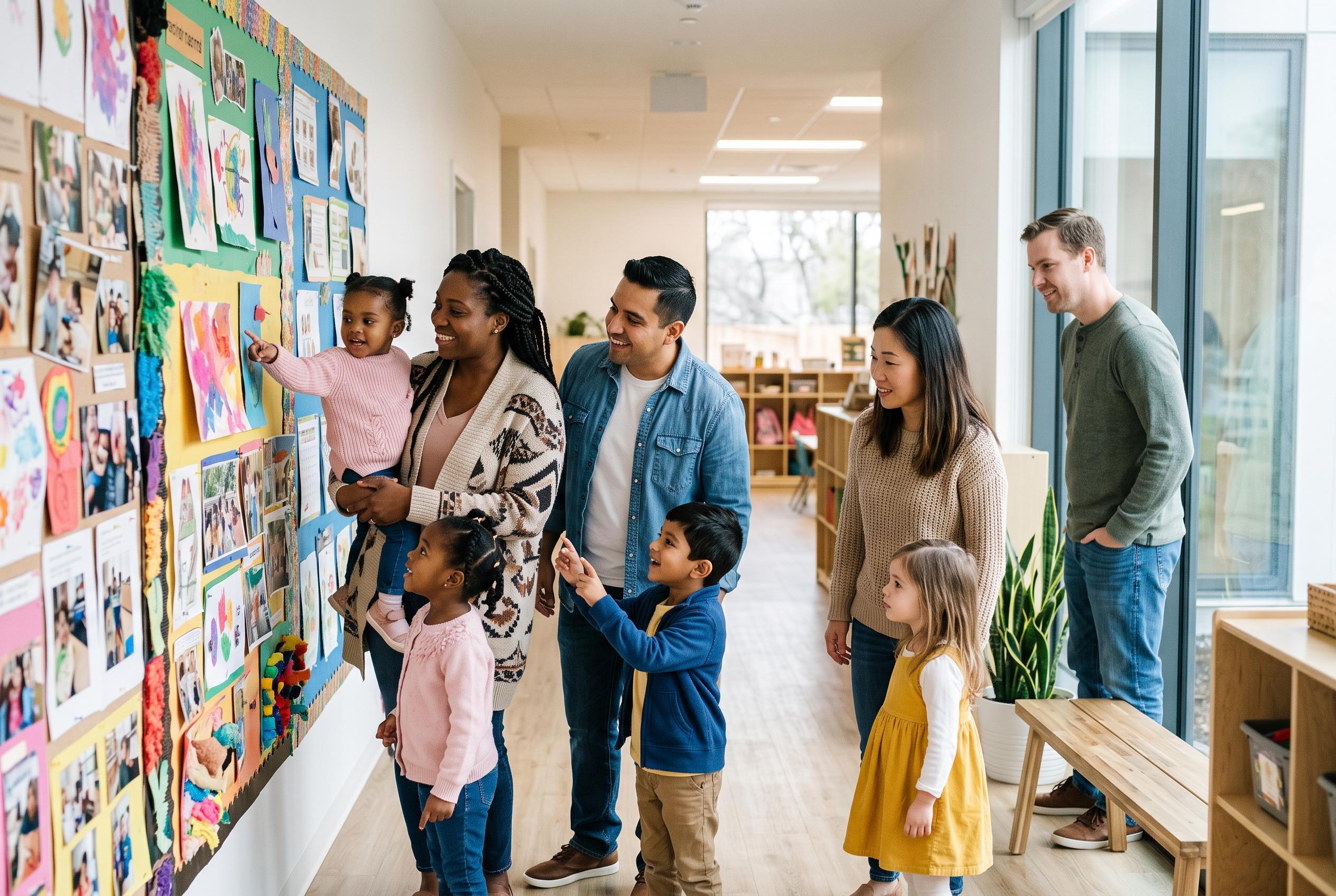
For many parents, the search should begin well before a place is needed. Allison Friedman-Krauss, an associate research professor at the National Institute for Early Education Research at Rutgers University, said her own approach was shaped by the same factors the institute highlights for three- and four-year-olds: small classes, low child-to-teacher ratios, qualified teachers with early childhood training, a director with similar expertise and practical considerations such as location and opening hours. She said even with professional knowledge, choosing care for a young child remained difficult. Amina Gunaratne, who owns Primrose Schools locations in Berkeley Heights and New Providence, said tours can be revealing, especially when parents watch how staff speak to children, manage routines and communicate with families.
The programmes themselves can look similar on the surface, but the underlying goals often differ. Preschool usually has a more structured, school-readiness focus, with routines designed to build language, early maths, problem-solving and independence. Daycare is more likely to provide extended, year-round care for working families, and many centres also include preschool or pre-K classrooms. Chelsy Smith, senior director of Zadie’s Early Childhood Center and Zadie’s of the Oranges in East Orange, said high-quality daycare can still offer strong academic preparation through play-based learning, alongside valuable social development such as sharing, communication and conflict resolution.
Cost is another major dividing line. State-funded preschool is often free, while private preschool and daycare usually come with tuition charges. Smith said families should ask exactly what is included, from meals and supplies to enrichment activities, field trips and extended care. Friedman-Krauss said parents can also check licensing reports for violations and use quality benchmarks from NIEER as a starting point. Childcare.gov similarly advises families to look for nurturing relationships, trusted teachers and an environment that offers a range of learning opportunities. Experts agree that no centre will be flawless every day, but the best programmes are honest, responsive and consistent, and they leave parents feeling that their child is safe, supported and cared for.
Disclaimer: This content is for informational purposes only and is not intended to be a substitute for professional medical judgment, advice, diagnosis, or treatment.



