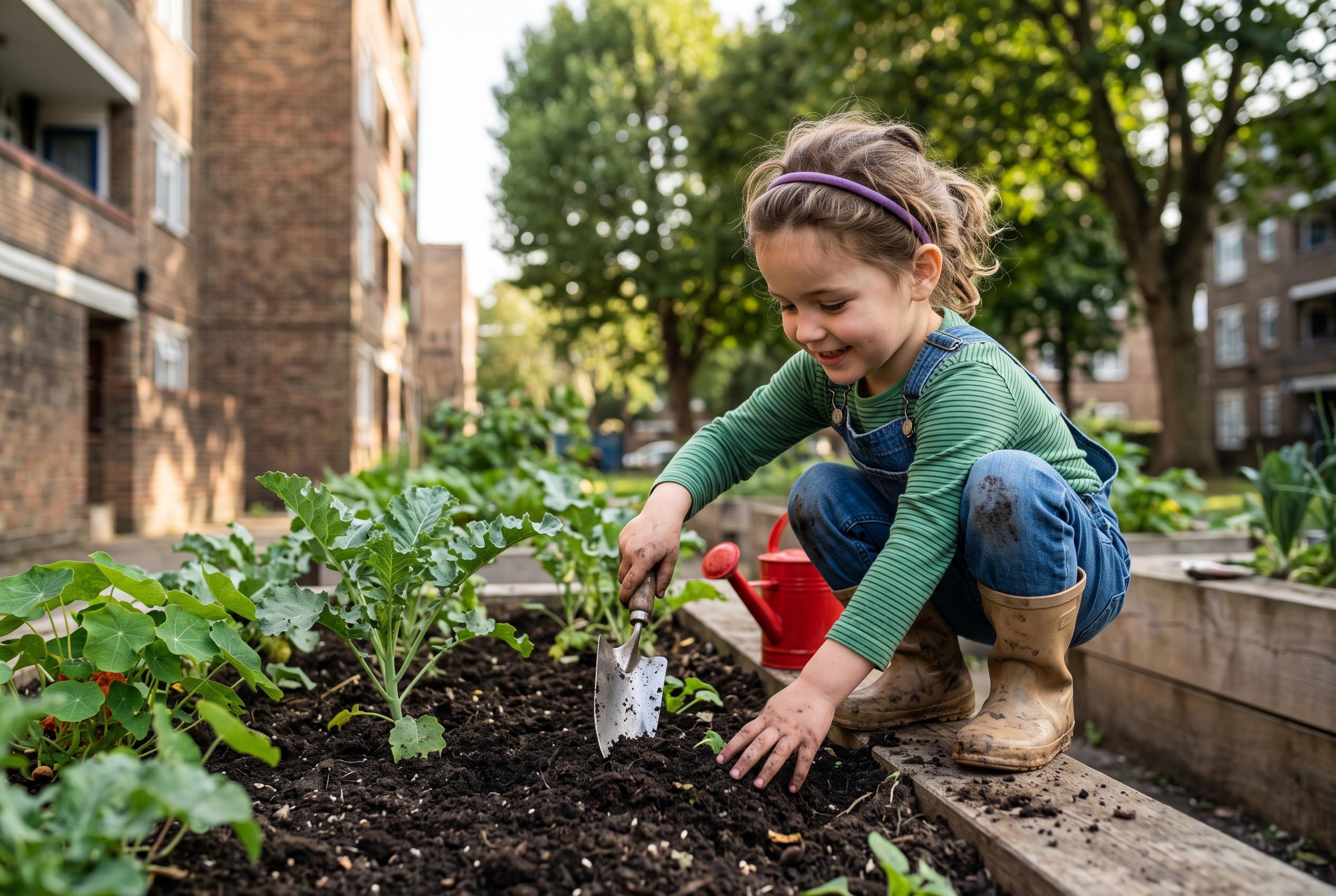

A Finnish study reveals that children engaging with soil and greenery in urban areas experience beneficial changes in their microbiome and immune markers, highlighting the importance of outdoor play in early childhood health.
Children’s mud-splashed knees, grass-stained clothes and dirt under the nails may look like a mess to adults. But the science suggests that time spent in soil, plants and other natural settings may do more than simply keep children occupied: it may help shape the microbes they carry and the way their immune systems develop.
A Finnish experiment has become one of the most cited examples in this area. Researchers altered the outdoor areas of four urban childcare centres by adding forest soil, grass and vegetation, then followed children aged three to five for 28 days. According to the study published in Science Advances, the children who played in the enriched yards showed changes in the diversity of microbes on their skin and shifts in immune-related markers compared with children in more conventional settings.
The findings have helped support what scientists call the biodiversity hypothesis: the idea that reduced contact with natural environments in urban life may narrow the range of microbes people encounter, with possible effects on immune regulation. As BBC Future has reported in its coverage of the research, the point is not that dirt is magically beneficial, but that natural environments expose children to a broader microbial world than many city spaces do.
That is also why groups such as the Children & Nature Network have highlighted simple forms of outdoor play, from handling earth and mud to touching leaves and stones. The evidence does not suggest that dirt alone prevents illness, nor does it replace basic hygiene. But it does point to a wider lesson: the more varied the environments children move through, the more opportunities they have to explore, and the more their bodies may learn from the living world around them.
Disclaimer: This content is for informational purposes only and is not intended to be a substitute for professional medical judgment, advice, diagnosis, or treatment.