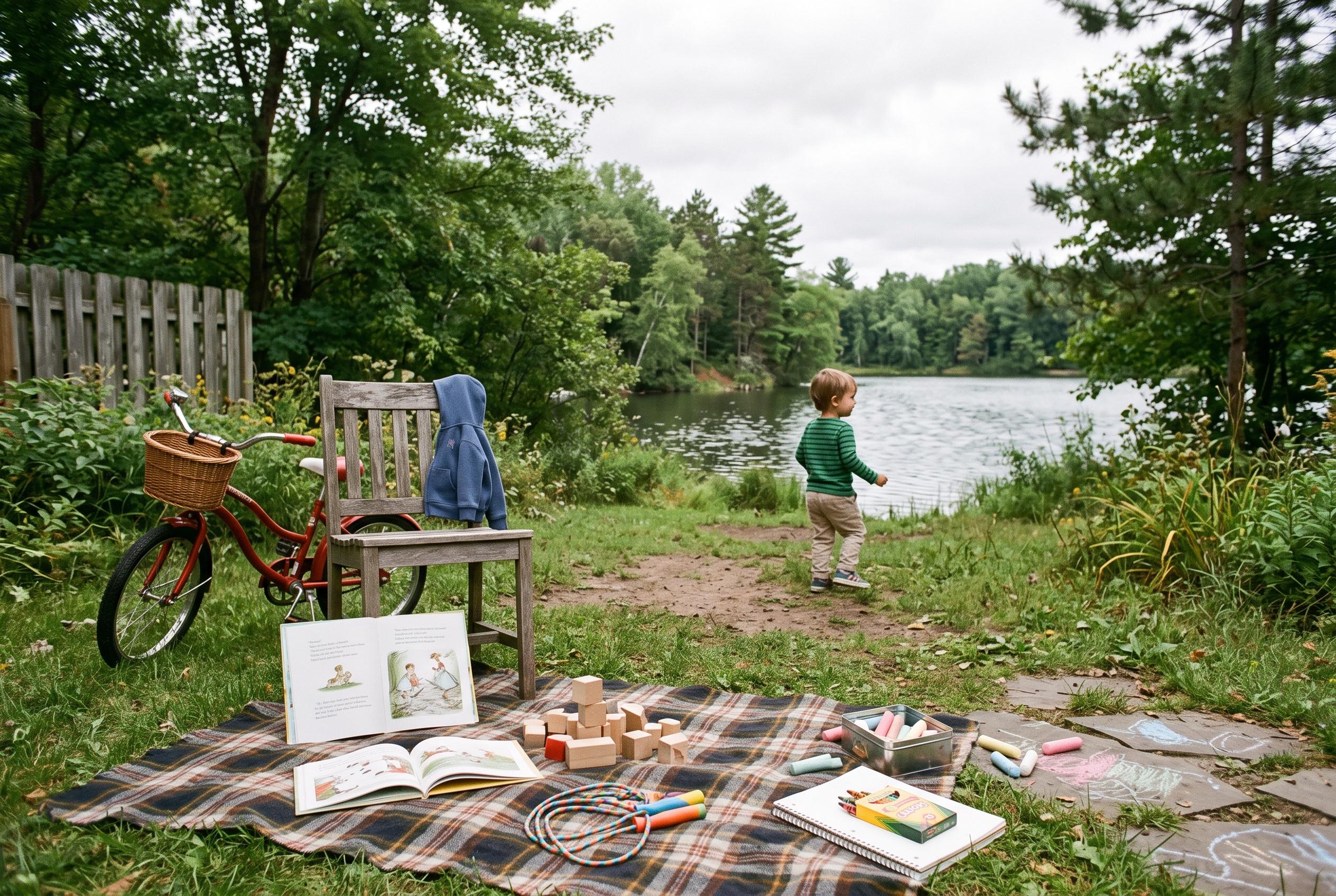

In Minnesota, a growing movement is prioritising outdoor activities and reduced screen time to combat rising mental health issues among children, signalling a significant cultural shift in childhood experiences.
In Minnesota, the debate over children’s wellbeing is increasingly being framed around daily habits rather than crisis care. Parents, doctors and educators are looking beyond test scores and sports injuries to ask how anxiety, low mood, constant connectivity and reduced time outdoors may be shaping childhood. A growing number of schools and families are responding by cutting back on screens and restoring more unstructured time in nature. The trend reflects a wider belief that mental health is influenced not only by treatment when problems arise, but by the environments children inhabit every day.
One of the clearest examples is Stillwater Area Public Schools, which has introduced a bell-to-bell phone ban across all grade levels. The policy requires pupils to leave devices at home or keep them locked away during the school day. District leaders say the aim is as much about wellbeing as distraction, tying the change to concerns about anxiety, depression and the pressure to remain constantly available online. That approach mirrors wider advice from the Mayo Clinic Health System, which recommends clear screen-time rules, phone-free spaces at home and more face-to-face interaction alongside outdoor activity.
Health experts say the issue is not simply the amount of time children spend on devices, but what that time replaces. Screen use can crowd out conversation, play, movement and hands-on learning, all of which are central to early development. At the same time, clinicians in Minnesota say demand for mental health support remains high even as some measures have improved from the worst of the pandemic period. The latest Minnesota Student Survey points to persistent concern, but also some signs of progress, suggesting more families may be seeking help earlier.
That conversation has fed a broader interest in outdoor education. Through the state-backed Outdoor School for All Minnesota initiative, schools received funding last year to cover trips to environmental learning centres, with five accredited sites taking part. Eagle Bluff Environmental Learning Center in Lanesboro said demand quickly outstripped supply, while educators there described a growing need to teach children simply how to feel at ease outside. Similar programmes across the state focus less on formal science lessons and more on helping children cope with weather, uneven ground, insects and the physical freedom that indoor settings often limit.
Nature-based early education has expanded particularly quickly. Prior Lake Savage Area Schools began offering nature-based preschool in 2014, and teachers there say the number of districts with similar options has since grown to more than 25. Three Rivers Park District also has a long history in the area, with nature-based preschool offerings dating back to the late 1960s and a dedicated outdoor preschool programme launched in 2018. In Minneapolis, the Forest School of Minnesota and Minneapolis Nature Preschools are among the providers serving families seeking year-round outdoor learning, with equity also becoming a bigger priority as schools try to reach children from a wider range of backgrounds.
The growth in demand is now feeding professional training as well. Hamline University launched a Nature-Based Early Learning Certificate in 2023 to prepare educators for outdoor teaching environments, and the university says the field is expanding as schools look for staff with specialised skills. Outside the classroom, some parents are imposing their own limits, with structured viewing schedules and phone rules at home. Taken together, the changes point to a broader cultural shift: in Minnesota, childhood is increasingly being reimagined as something that should include less digital noise, more open-ended play and a stronger connection to the natural world.
Disclaimer: This content is for informational purposes only and is not intended to be a substitute for professional medical judgment, advice, diagnosis, or treatment.