


The Lucy Project is expanding from four to nine Miami-Dade schools after reporting sharp gains in early reading, as its founder urges Florida to invest in evidence-based instruction.
Sandra Bermudez says the lesson she drew from watching her daughter struggle with reading was stark: many classrooms are still using approaches that research no longer supports. That experience led her to found The Lucy Project, a Miami-based non-profit focused on evidence-based literacy instruction for children, families and educators.
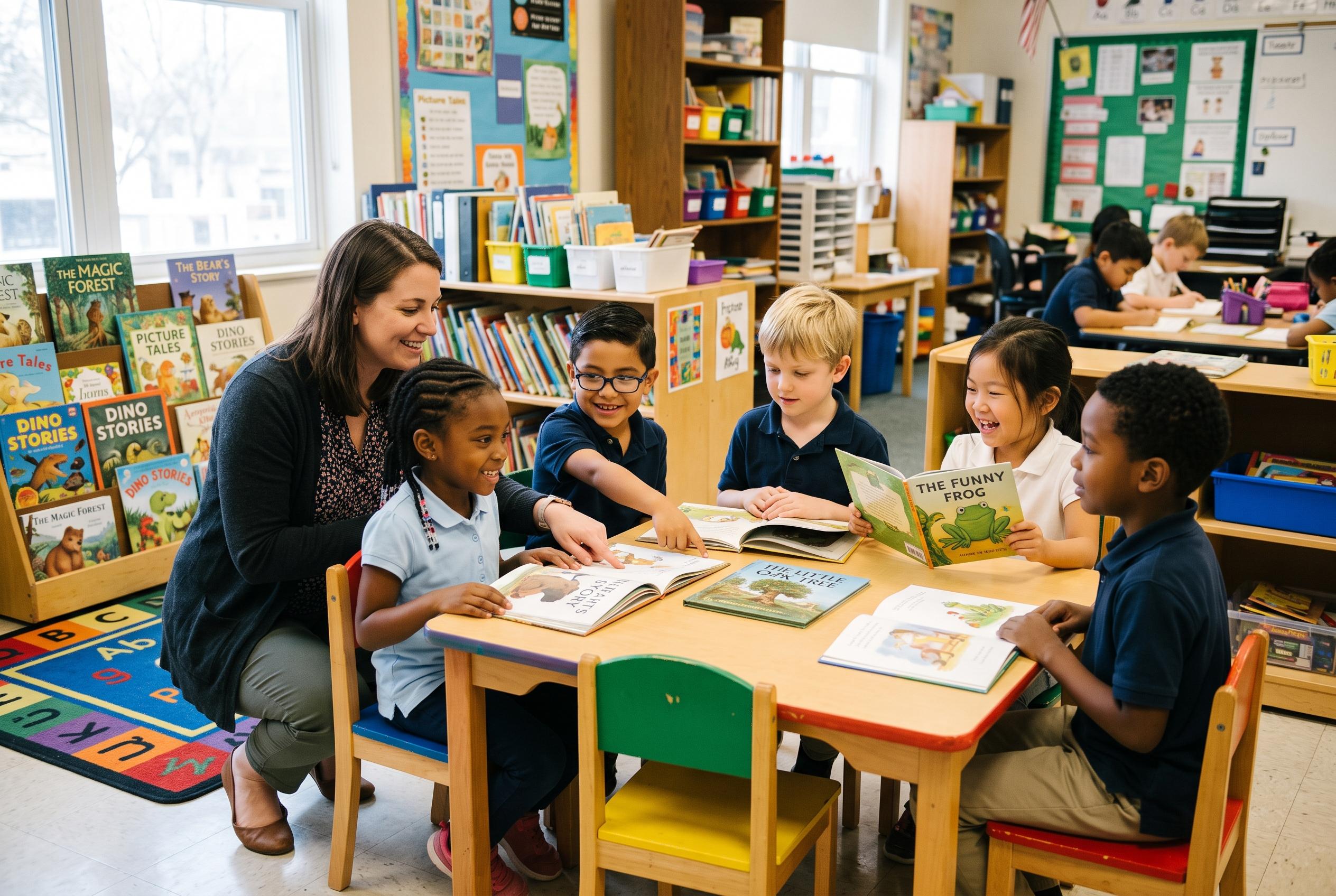
Now the organisation is trying to scale that approach. According to The Lucy Project and the Partnership for Miami, nearly $2 million in funding over three years is supporting the expansion of the group’s Literacy Hub into four Miami-Dade County schools, reaching more than 800 pupils from kindergarten through second grade. The model places trained learning specialists alongside classroom teachers and centres instruction on the Science of Reading, a body of cognitive research that emphasises how children actually acquire literacy skills.
Bermudez says the results in Miami have been striking. In the classrooms involved last year, the share of kindergartners reading at grade level rose from 5% to 52%, while one classroom at Norwood Elementary climbed from 3.7% to 76.7%. The organisation says similar gains were seen at Auburndale and Beacon Prep. This autumn, the programme is set to expand to nine Miami-Dade schools and add first-grade pupils, suggesting the effort is shifting from a pilot into a broader school-based intervention.
The policy case, Bermudez argues, is just as important as the classroom results. She says the per-child cost is about $1,500 a year, while the long-term social return from getting one child reading on grade level can be far higher when factors such as earnings and reduced dependence on public support are taken into account. Her pitch to Florida lawmakers is that the state should treat early literacy as preventative spending, not a later remedial expense.
She also points to other Southern states that have made structured literacy a priority. Mississippi, Louisiana and Alabama have been credited with some of the nation’s biggest fourth-grade reading gains after adopting statewide reforms, a comparison Bermudez uses to argue that Florida has both the resources and the evidence to do more. For parents of struggling readers, her message is simpler: with the right instruction, progress is possible. She says her daughter eventually learned to read, graduated from high school with honours this year and is now taking a gap year, which she sees as proof that the right support can change a child’s path.
Disclaimer: This content is for informational purposes only and is not intended to be a substitute for professional medical judgment, advice, diagnosis, or treatment.



