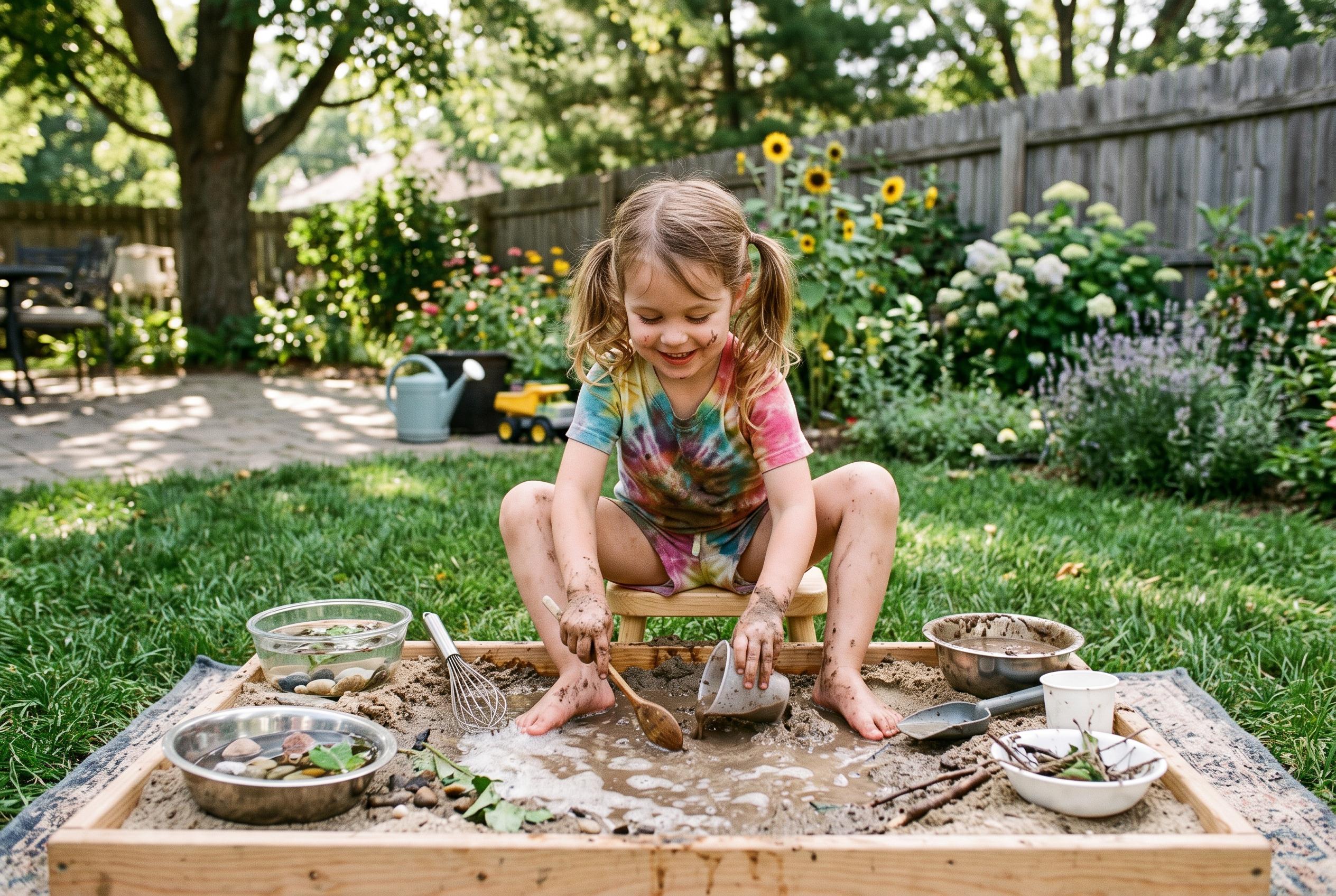

Research highlights the importance of messy, sensory play during summer for children’s physical, emotional, and cognitive growth, emphasising simple, low-cost activities that foster curiosity, resilience, and motor skills.
Summer often means more time outdoors, more bare feet in the garden and more paint on the hands. For children, those moments of apparent chaos can be valuable. As the Cleveland Clinic and other child-development writers note, sensory or messy play gives young children a chance to learn by exploring materials rather than following instructions, turning everyday play into an early lesson in curiosity, cause and effect and problem-solving.
That freedom matters because young children usually understand best through doing. Mixing colours, pouring water from one container to another or digging through sand allows them to test ideas, make predictions and notice what changes when they alter the materials. The result is an early foundation in science and mathematics, but also a healthier attitude towards mistakes: if the tower falls or the colours blur, children can try again.
Messy play also supports physical development. Handling playdough, rice, sand or other small objects helps strengthen the fine motor muscles needed later for writing, using scissors and fastening clothing. Larger movements, such as climbing, carrying buckets or splashing through puddles, build balance, coordination and general strength. Healthline says mud play can also offer wider wellbeing benefits, while several child-focused guides point to the role of sensory activities in developing gross and fine motor skills.
The benefits are not only physical. Sensory play can help children put feelings into words and practise language in real time. Adults who ask simple questions such as what something feels like, what a child notices or what might happen next can prompt richer conversation, broader vocabulary and more confident self-expression. That same process can also help with emotional regulation, giving children a calm, purposeful outlet for frustration, excitement or disappointment.
Perhaps most importantly, messy play does not need to be elaborate or expensive. A tray of dry pasta, a bucket of water, a patch of dirt, some leaves or a handful of household materials can create the same kind of learning environment as a bought toy. The child-care organisations and parenting sites that promote sensory play make the same basic point: when adults follow a child’s lead, stay close for safety and focus less on the finished product than the process, the learning tends to be deeper, the memories more lasting and the mess far less important.
Disclaimer: This content is for informational purposes only and is not intended to be a substitute for professional medical judgment, advice, diagnosis, or treatment.