

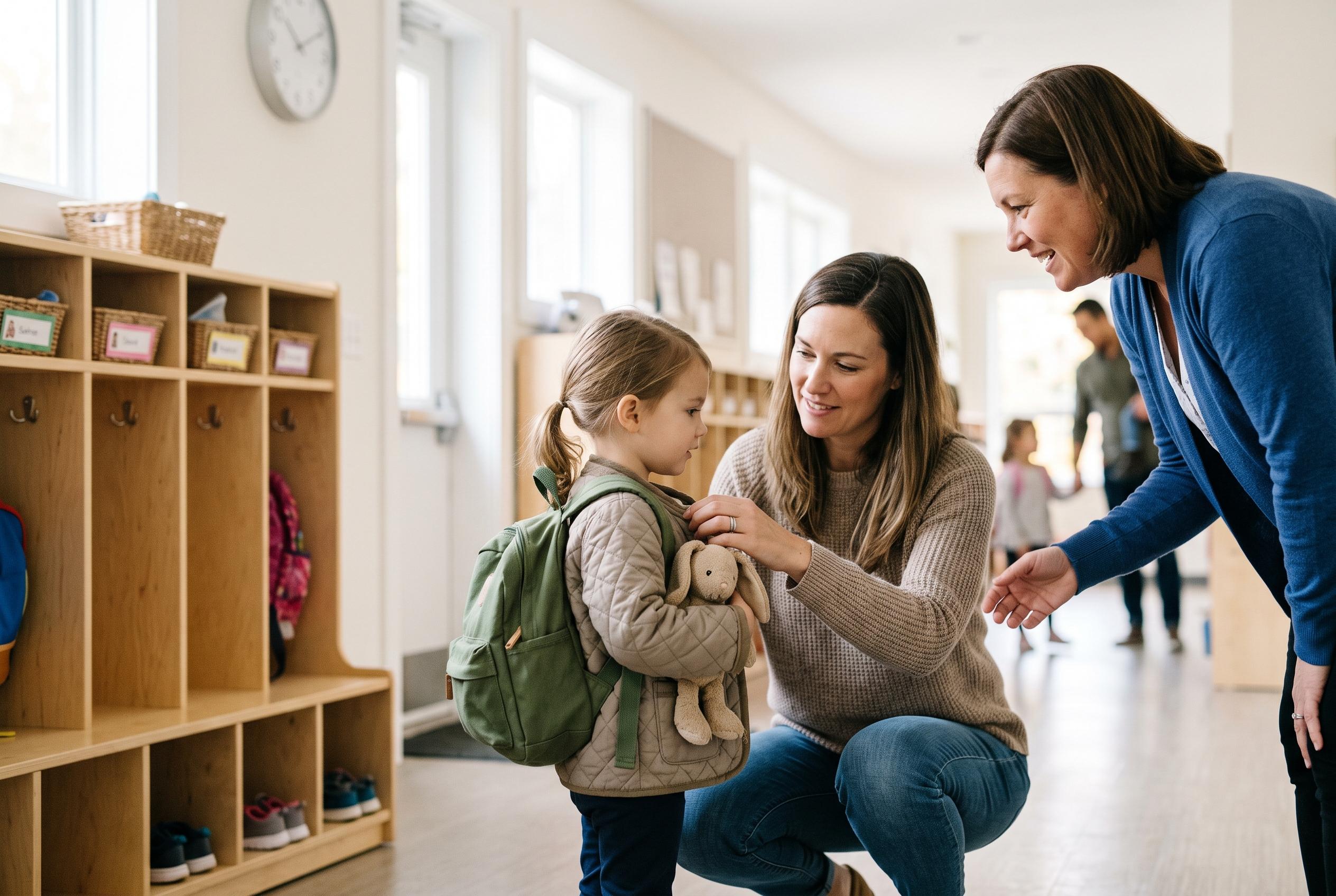

Expert advice shows that establishing routines, preparing children with practical explanations, and maintaining open communication can transform the first few days of preschool into a smoother, less stressful experience for both children and parents.
Starting preschool can feel like a small step on the calendar and a large one in family life. For many children, the first few days bring tears, clinginess or sudden tiredness once they get home. That reaction is usually part of a normal adjustment, not a sign that anything is going wrong. Mayo Clinic notes that separation anxiety is a common developmental phase, while Cleveland Clinic says it often starts in infancy and usually eases by around age three. In preschool-age children, a brief, calm goodbye is often more helpful than a long, emotional farewell.
What matters most in those first days is consistency. Child development experts and preschool guidance alike stress that children cope better when routines are predictable and handovers are short and clear. A simple goodbye ritual, repeated each morning, can make the drop-off feel safer. Another important point is not to expect children to bounce back immediately; feeling sad at separation does not mean they are failing to settle. It usually means they are learning how to manage a new environment without the comfort of a familiar caregiver nearby.
Parents also make a real difference by preparing children for what preschool will actually look like. Concrete explanations tend to work better than vague reassurance. Rather than promising that school will simply be “fun”, it helps to describe the day in practical terms: playtime, snack time, art, singing and pick-up. Books about preschool and visits before the first day can also reduce the sense of the unknown. The more a child can picture the routine, the less daunting the first week tends to feel.
Communication with teachers is another key part of the transition. Preschool guidance from several providers emphasises regular contact between families and staff, with brief face-to-face conversations helping to build trust and flag any concerns early. Parents should share anything that might affect a child’s behaviour, such as poor sleep, a change at home or a new source of worry. In return, teachers can offer a clearer picture of how the child is coping during the day, especially when a young child is unable to explain things in detail.
Practical preparation matters too. A calm morning routine, labelled belongings and a clear understanding of the school’s rules on snacks, spare clothes and comfort items can ease stress for everyone. Just as important, parents need to manage their own emotions. Children are quick to notice guilt or uncertainty, and they often mirror it. If the grown-up feels confident that preschool is the right step, that steadiness can help the child feel safe enough to move through the new routine.
For most families, the early wobble passes within days or weeks. If distress remains intense, persistent or starts to disrupt daily life, Mayo Clinic says it may be worth speaking with a healthcare professional to rule out a separation anxiety disorder. For the majority of children, though, the first week is simply the beginning of a larger adjustment. With patience, predictable routines and close communication between home and school, preschool usually starts to feel less frightening and more familiar.
Disclaimer: This content is for informational purposes only and is not intended to be a substitute for professional medical judgment, advice, diagnosis, or treatment.



