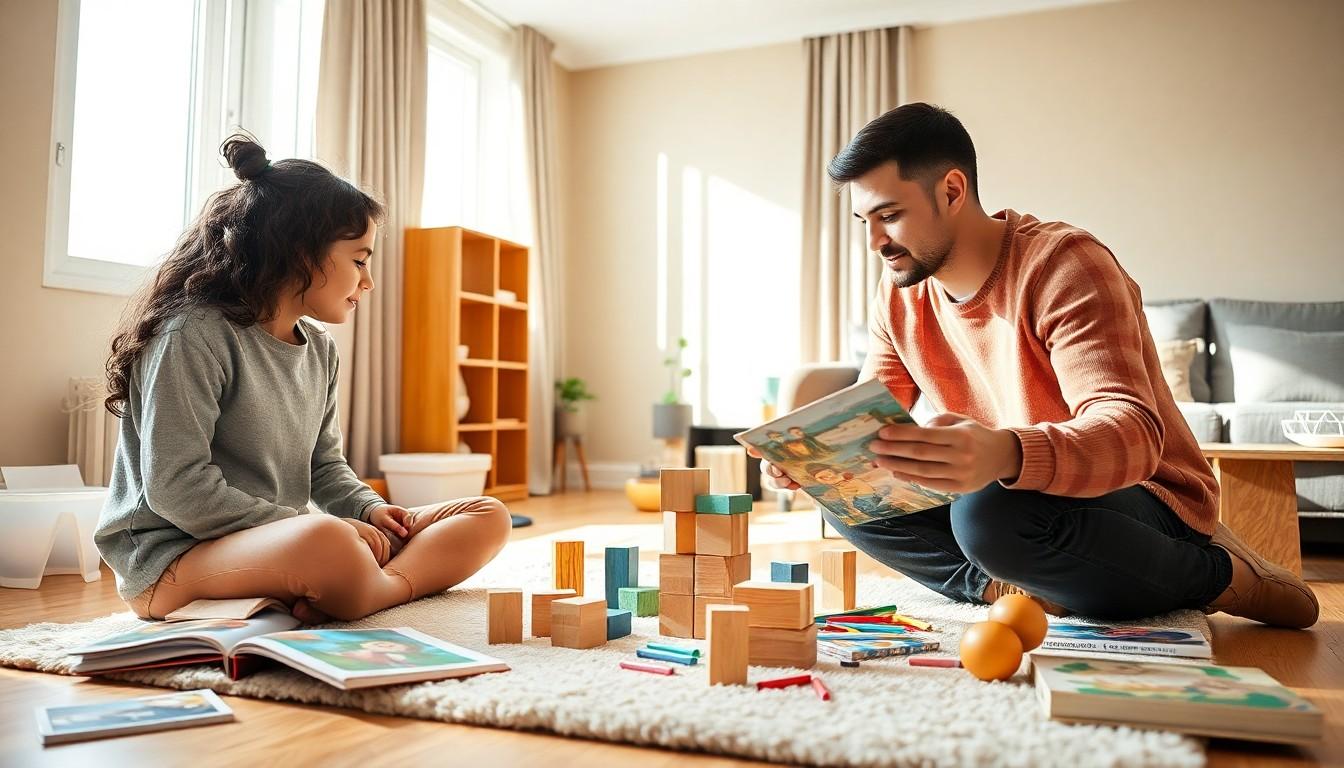

Neuropsychologist Anastasia Gaurilyus highlights the crucial role of home environment and parental curiosity in fostering children’s interest in learning, supported by recent research on family involvement and educational habits.
A child’s willingness to learn is shaped less by classrooms alone than by the atmosphere created at home, according to Anastasia Gaurilyus, a neuropsychologist quoted by Belarusian news agency BELTA. She argued that when adults show curiosity themselves, children are far more likely to treat learning as a normal and rewarding part of life.
Gaurilyus said adults need to help maintain motivation by varying how lessons are presented, adding surprise and avoiding rigid routines. She also stressed the value of answering children’s questions fully and, when necessary, looking things up together rather than brushing off their curiosity.
That view is backed by research suggesting that parental attitudes and involvement matter greatly. Studies published in academic journals have found that positive parental views of learning, combined with active engagement at home, are linked to stronger interest in literacy and numeracy, while parents’ own executive functioning and day-to-day participation can help shape a child’s educational progress.
Other research has similarly found that children benefit when parents bring them into activities tied to their own interests and skills, creating informal learning opportunities as part of family life. Gaurilyus made the same point in simpler terms: if children grow up seeing their parents read, visit theatres and attend exhibitions, they are more likely to regard new experiences as something ordinary rather than exceptional.
Disclaimer: This content is for informational purposes only and is not intended to be a substitute for professional medical judgment, advice, diagnosis, or treatment.