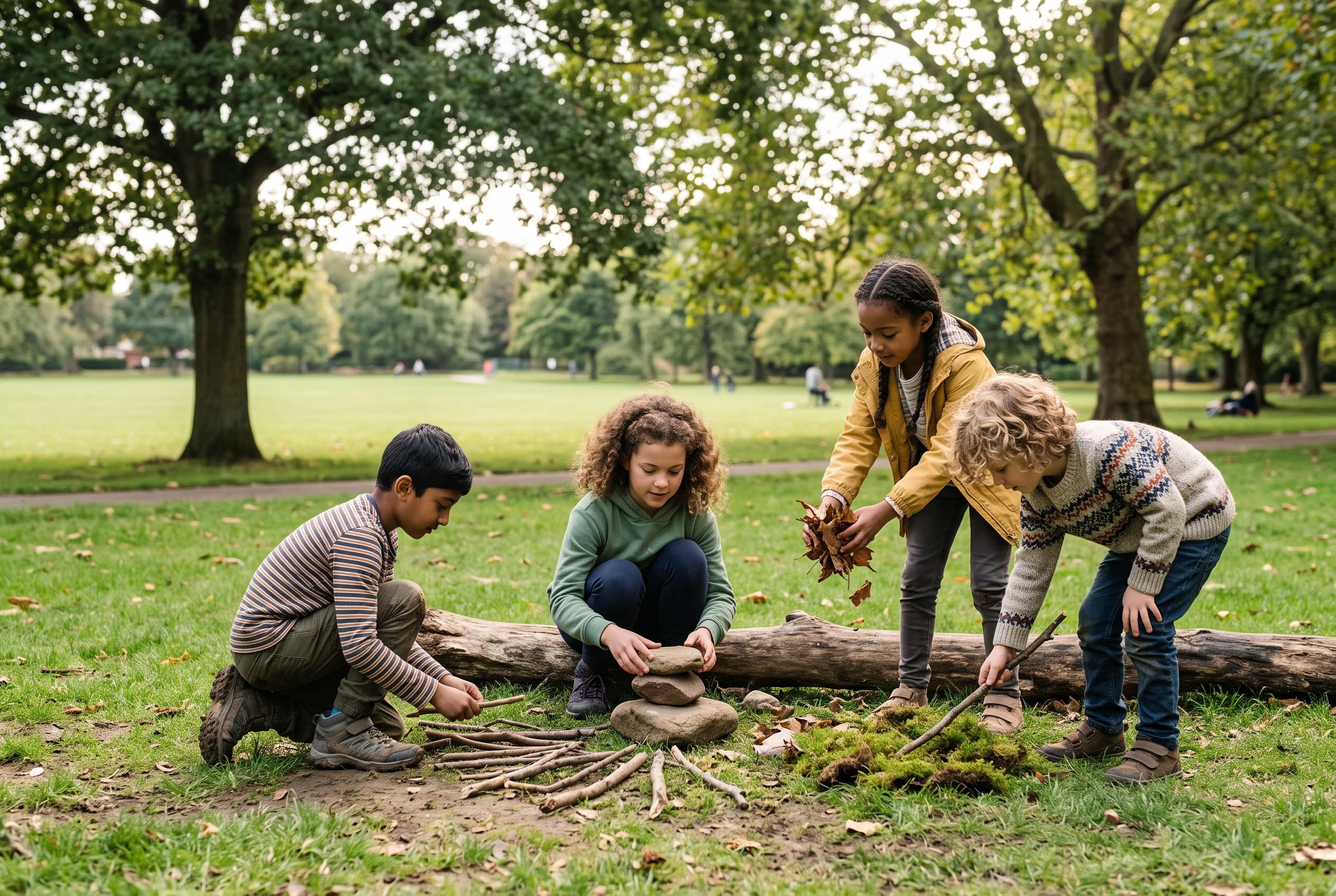

Recent research indicates children in Great Britain are waiting longer to play outside unsupervised, amid concerns over impacts on mental well-being and independence, prompting calls for increased access to safe play spaces.
Children in Great Britain are waiting longer than their parents did before being allowed to play outside unsupervised, according to new research from the University of Exeter. The average age has risen to 10.8, compared with 9.7 for the previous generation, a shift researchers are describing as a widening gap in independent play. The findings arrive as Exeter launches a new Outdoor Play Research Centre led by child psychologist Helen Dodd.
Dodd said the results add to evidence that children are losing everyday chances to gain freedom outdoors. In a statement issued by the university, she said independent play is tied to better health and well-being, including lower anxiety, more positive feelings and greater physical activity. That matters, she said, at a time when children’s mental health and activity levels are already under strain.
The broader evidence base points in the same direction. Research published in BMC Public Health in March found that the average age at which children in Great Britain are allowed to go out alone has climbed by about two years to 11, and linked that decline in outdoor play to low activity levels and weaker mental well-being. Separate studies published in June, including work in the Journal of Child Psychology and Psychiatry, found that frequent outdoor play between the ages of two and four was associated with fewer emotional and behavioural difficulties by age eight.
The new survey of nearly 2,000 parents and caregivers also suggests that the decline is not just about when children are first allowed out, but how they spend their time. More than half of respondents said they now let their children play independently later than they were allowed to as children. Less than half of play among five- to 11-year-olds takes place outdoors, and street play has fallen to under 25 minutes a week on average. Researchers point to a mix of factors, including screen use, busy roads, fewer good-quality play spaces and changing social norms. Previous studies have also suggested that safe local spaces, adventure and neighbourhood play can support children’s mood, social development and long-term mental health.
Disclaimer: This content is for informational purposes only and is not intended to be a substitute for professional medical judgment, advice, diagnosis, or treatment.