
Greece’s new school year embraces a detailed framework prioritising safety, digital tools, inclusive education, and modernised school routines, marking a significant shift in educational policies for 2026-27.
The new school year in Greece will begin on Friday, 11 September 2026, with the education ministry issuing fresh guidance for kindergartens and primary schools on everything from the first day of classes to lunch provision, attendance, mobile phone use and digital administration.
According to the ministry, the opening day will include the customary blessing ceremony in kindergartens and primary schools, followed by practical instructions on the timetable and daily routine. In primary schools, pupils will receive their books on the first day and then leave.
For children starting kindergarten for the first time, teachers and school staff may use a flexible adjustment period at the start of the first term. That period can last for up to two weeks and is designed to help young pupils settle into the school environment with support from teachers and parents or guardians.
The ministry has also set out the operating hours for nursery schools. The basic compulsory programme in single-shift kindergartens runs from 8.30am to 1pm. The optional all-day programme continues until 4pm, while the upgraded all-day model can run until 5.30pm in schools where it is in place. There is also an early arrival option from 7.45am to 8.30am. In the upgraded version, children have two extra 30-minute teaching periods, which can include rest, free or guided play and follow-up activities.
In primary schools, timetables for single-shift all-day schools must be drawn up in line with the current legal framework, with special provisions for one-, two- and three-teacher schools. The weekly schedule is to be prepared during the first half of September, starting from 11 September, under the responsibility of the headteacher or principal. The ministry has stressed that teachers’ teaching and working hours must be fully respected.
For the upgraded all-day primary programme, pupils may leave at three set times: 2.55pm, 3.50pm or 5.30pm, depending on the programme they attend. Minimum enrolment thresholds also apply: at least one-third of pupils in one-teacher schools, at least eight pupils in two- to five-teacher schools, and at least 10 pupils in schools with six classes or more. The all-day schedule includes one daily lesson in nutritional education, plus study time and one chosen subject such as information and communications technology, English, sport, art, music or drama.
The circulars also repeat the rules on mobile phones and electronic devices. Pupils are not allowed to use mobile phones or any device with audio or image-processing functions on school premises for communication, filming or other uses. An exception applies only for medical purposes and only when supported by a relevant medical certificate. The guidance also reminds schools that security cameras may not operate during school hours.
Attendance, safety and inclusion are all given prominent attention. The ministry has included provisions on compulsory attendance and absences, parent-teacher communication, supervision of pupils, break-time safety, protection against earthquakes and other natural disasters, vaccination and medication during school hours, and the enrolment and attendance of children from vulnerable social groups. It also addresses the rights of separated or divorced parents.
Digital tools form another major part of the new framework. These include digital proof of attendance, an online platform for dealing with school bullying and violence, digital communication with parents and a digital record of teachers’ council decisions. Schools are also being urged to keep the myschool database accurate and up to date, especially because correct kindergarten records are essential for the digital enrolment process in first grade.
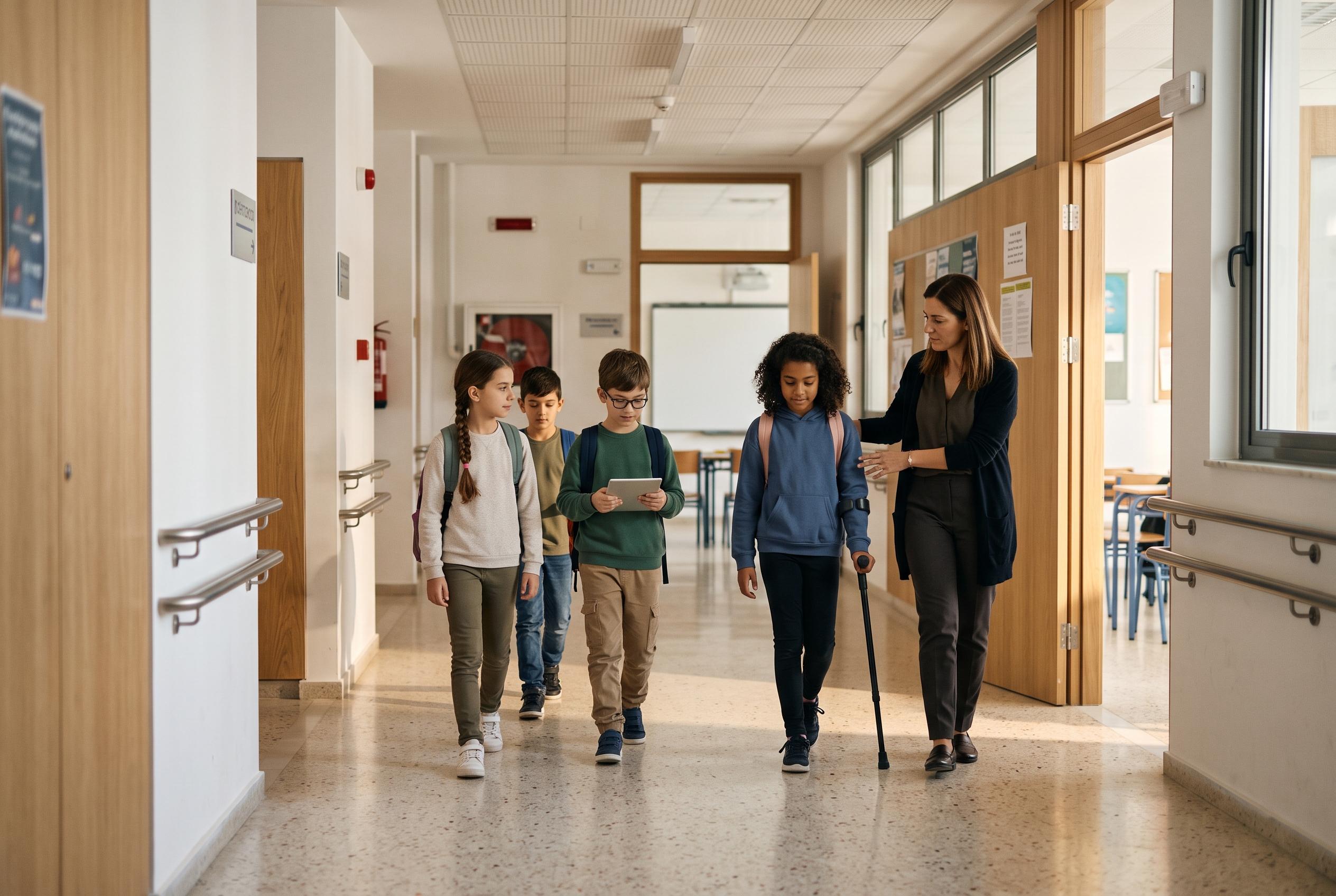
The ministry has placed renewed emphasis on special education and inclusion, saying support units and parallel assistance are intended to help pupils with disabilities and special educational needs. It says responsibility for educating all pupils lies with the teachers’ council as a whole, not only with special education staff.
For parents and carers, the most immediate issues will be the different dismissal times in all-day programmes, the early-arrival option in kindergartens, the restrictions on mobile phones and the procedures for attendance and school communication. The broader message from the ministry is that the 2026-27 school year will open with a tighter, more detailed framework aimed at bringing together daily organisation, safety, digital administration and inclusive education.
Disclaimer: This content is for informational purposes only and is not intended to be a substitute for professional medical judgment, advice, diagnosis, or treatment.