

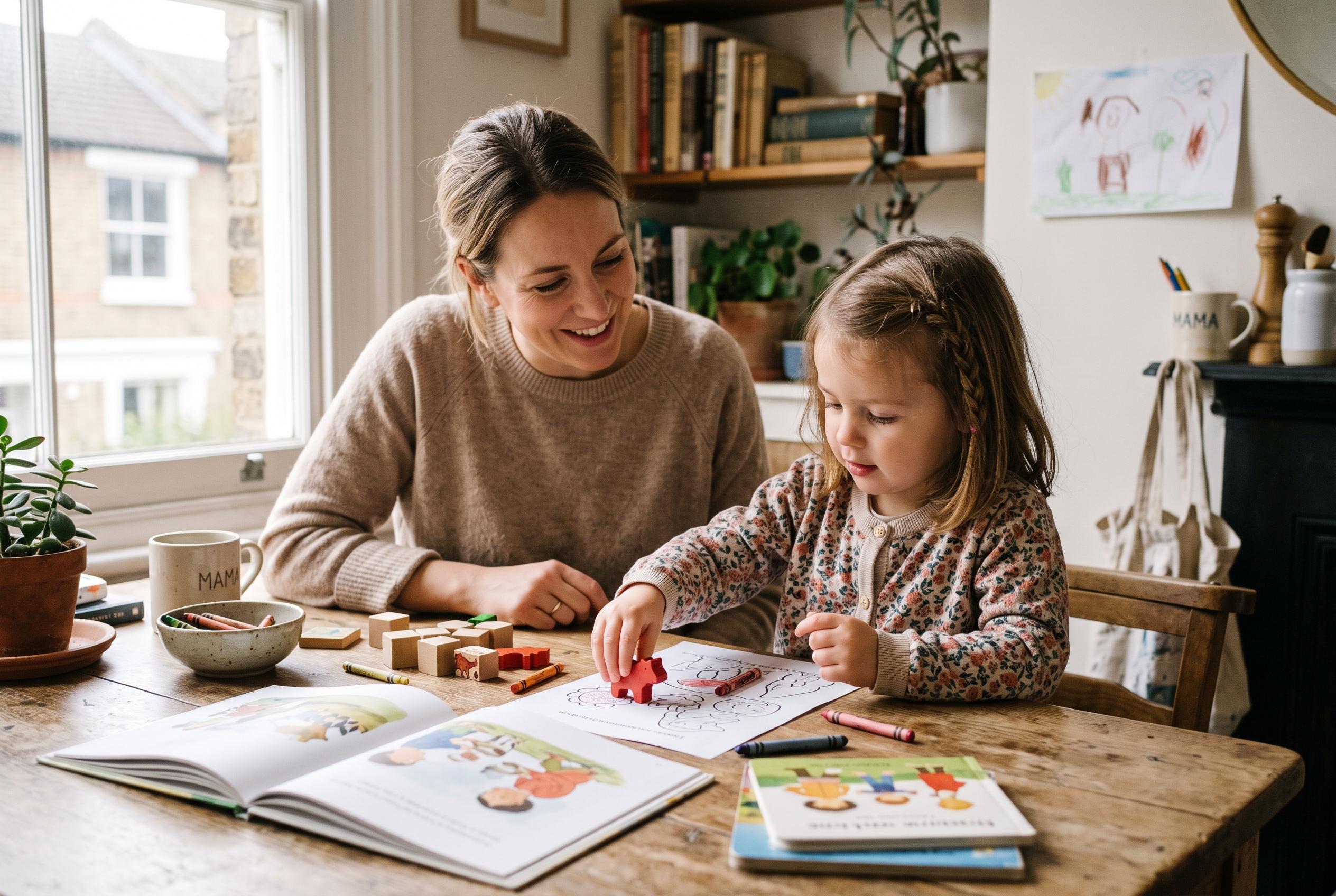

Educators say short, purposeful activities woven into family routines are more effective for young children than worksheets, rigid schedules or lengthy home-learning sessions.
Helping children learn at home works best when it feels like part of family life rather than a second school day. That is the central message from kindergarten educator Zeba, whose advice is that teachers should keep home practice short, useful and realistic. The point, she says, is not to send children away with more work, but to offer families small, purposeful activities that fit into routines they already have.
One common misstep is overloading families with worksheets, packets and other busywork. A similar warning appears in guidance from tutoring and preschool learning specialists, who say home practice should be targeted rather than excessive and should avoid turning early childhood into formal schoolwork. For young children, repeated play-based practice often does more good than a large amount of paper-based work, especially when the child only needs help with one specific skill.
Another problem is assuming all households have the same time, space or energy. Families may be juggling work, siblings, childcare or different home languages, which makes rigid expectations unrealistic. Resources from Connections Academy and other home-learning guides make the same point: effective support should be flexible, easy to start and not depend on a perfect learning set-up. That might mean counting forks while setting the table, spotting letters on a shop sign or playing a quick sound game in the car.
Parents and carers also need clear instructions. Telling families simply to “practise letters” or “work on beginning sounds” can be unhelpful if they are not sure what that looks like. Learning resources for struggling readers and preschool pupils both stress that adults at home need examples, pacing and reassurance, not jargon. One useful approach is to send home activities children already know from class, so the family is supporting familiar work rather than having to teach a brand-new game.
Short, regular practice matters more than long sessions. Zeba’s advice is that five or ten minutes is often enough, and that consistency is more valuable than volume. That fits with broader guidance on early learning, which says children do best when learning is woven into ordinary moments such as reading together, talking, asking questions and playing. Families are more likely to stick with support that feels manageable after a long day.
Reading together remains one of the strongest ways to help. Children who are not yet reading independently benefit from hearing fluent reading, building vocabulary and following richer stories than they could manage alone. The same is true for children who can already read on their own: shared reading still gives them chances to discuss books and enjoy more challenging texts. Several home-learning guides also note that reading in the language a family is most comfortable using can still be highly valuable.
Math can be built in just as easily. Counting objects, comparing groups and noticing numbers in the environment can all reinforce classroom learning without special materials. The broader lesson across the sources is that home support works best when it is simple, clearly explained and linked to what children are already learning at school. For families, that usually means fewer demands and more everyday opportunities. For teachers, it means choosing quality over quantity.
Disclaimer: This content is for informational purposes only and is not intended to be a substitute for professional medical judgment, advice, diagnosis, or treatment.



