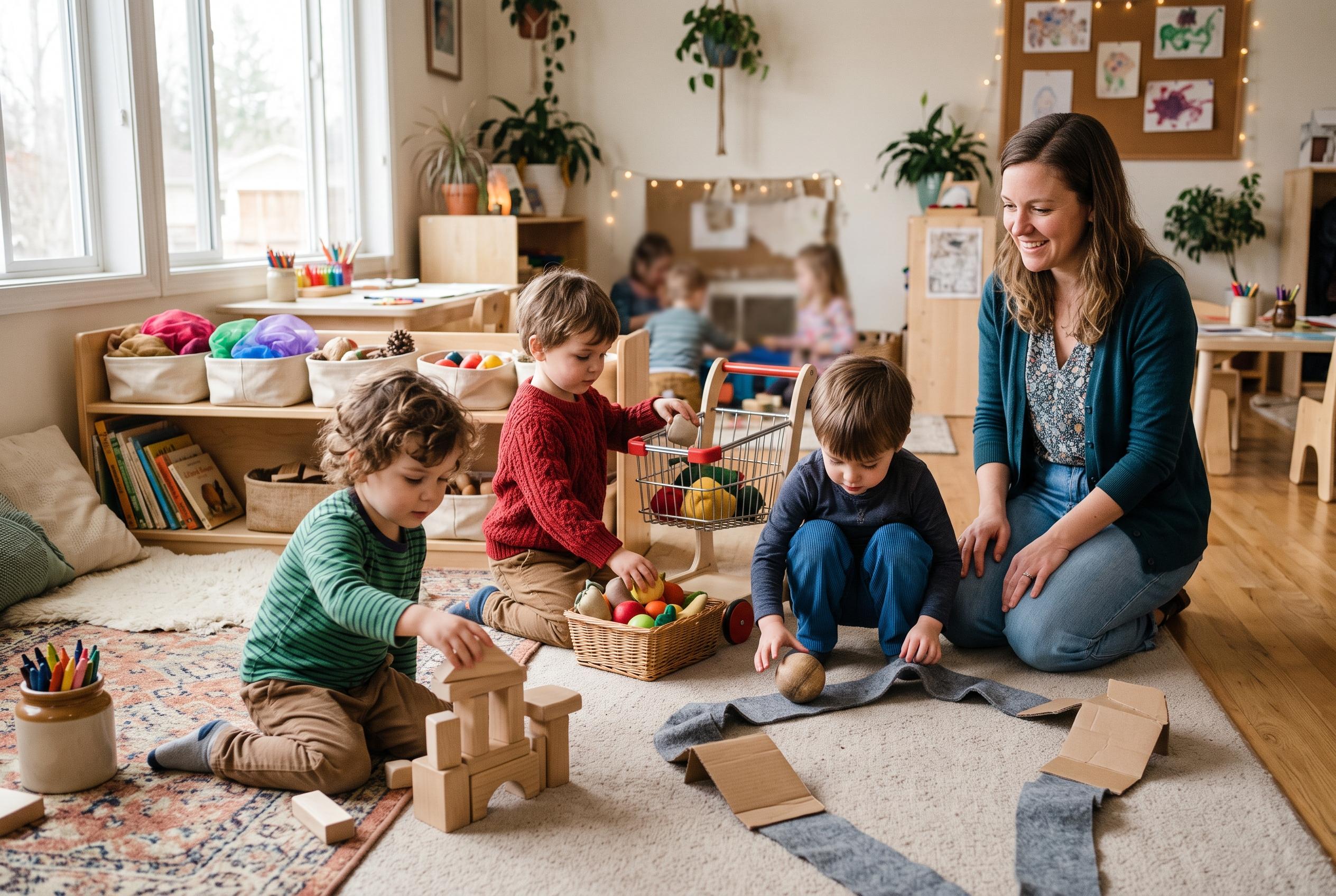

Educators and child development experts reaffirm that play is the most effective way for young children to learn, urging schools and parents to prioritise playful, child-led activities over early academic drills to foster holistic growth.
Early childhood educators are increasingly arguing that play is not a break from learning, but the way young children learn best. Media Indonesia reported that teachers in pre-school settings see play-based learning as the most effective route for helping children grow academically, socially and emotionally, a view echoed by child-development guidance from agencies and education groups.
In practice, the case for play is straightforward. According to Childcare.gov, both structured and unstructured play help children build physical, social and intellectual skills, while also allowing them to test ideas, use their imagination and follow their own interests. The CCRCCA says play gives children a natural way to explore the world, strengthen problem-solving and develop a lasting enthusiasm for learning.
That approach also supports language development, social confidence and coordination. Concordia University, Nebraska, notes that play-based learning helps children practise communication, creativity, critical thinking and early cognitive skills, while StartingBlocks.gov.au says it gives educators room to let children imagine, decide and learn from experience. For young children, that can mean learning to share, take turns, negotiate and manage frustration through group play, as well as building fine and gross motor skills through running, drawing and handling objects.
The main challenge, educators say, is not whether play works, but whether schools and parents will trust it enough to resist pushing formal drills too early. A study indexed in PubMed points to the difficulty of persuading supporters of more rigid academic instruction to make room for play in early-years classrooms. Media Indonesia said some teachers face pressure for children to read or count sooner than is developmentally appropriate, even though forcing academic routines too early can weaken motivation and make learning more stressful.
A more balanced model, teachers and early-years specialists argue, is one in which children are given enough time to play, but within a safe and well-supported setting. In that environment, play becomes more than entertainment: it is the foundation on which later schooling can build.
Disclaimer: This content is for informational purposes only and is not intended to be a substitute for professional medical judgment, advice, diagnosis, or treatment.