

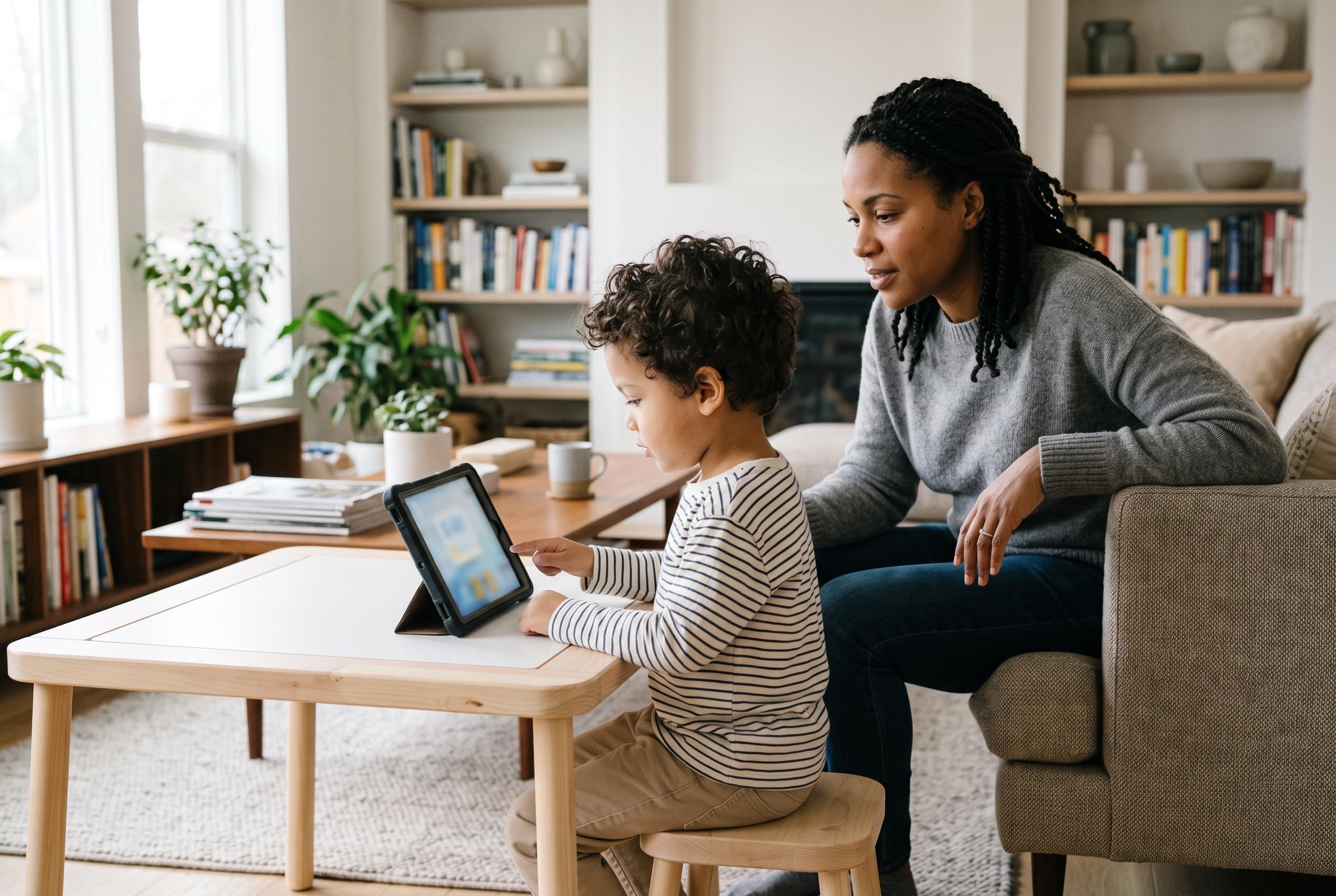

Child development specialists warn that modern parenting tools may hinder essential skills like problem-solving by encouraging over-intervention. Experts advocate for giving children manageable independence to foster resilience, decision-making, and confidence in an increasingly connected world.
Parents are often tempted to solve a child’s problem before it has time to grow. But child development specialists say that instinct can short-circuit an essential lesson: figuring things out is itself a skill, and it improves only with practice. As children face everyday setbacks, from a forgotten lunch to a homework problem or a lost route home, they build the habits that later support judgement, resilience and confidence. Reuters-style reporting on the issue has highlighted a widening tension between modern tools that make parental intervention easier and the developmental need for children to work through difficulties on their own.
Dana Suskind, a professor of surgery and paediatrics at the University of Chicago and author of “Human Raised”, told the Associated Press that children benefit more from “the experience of figuring it out” than from being handed the answer. Stephanie Carlson, who directs the Institute of Child Development at the University of Minnesota, has warned that children who are rarely allowed to struggle may become more anxious when they eventually face problems alone. Child-focused guidance from Nationwide Children’s Hospital similarly says adults should listen, show empathy and ask open-ended questions rather than solve every problem for the child.
Experts say the goal is not to leave children unsupported, but to give them manageable room to practise decision-making. That can start with small choices, such as handling money in a shop, packing a bag or working out what comes next when something is forgotten. Parenting resources from several organisations stress that this gradual approach helps children develop self-esteem, responsibility and problem-solving habits without being overwhelmed. In this view, independence does not mean doing everything alone; it also includes recognising when to ask a teacher, coach or parent for help.
That balance is especially important because modern family life can make it too easy to step in. The AP report notes that location tracking, grade portals and instant messages to teachers allow adults to intervene long before a child has faced the consequences of a mistake. Jean Twenge, writing in “10 Rules for Raising Kids in a High-Tech World”, argues that children and teenagers have fewer chances than previous generations to move around independently, make plans and take responsibility outside adult supervision. Other parenting commentary has linked this decline in freedom with less resilience and more dependence.
At the same time, experts caution that freedom must be matched to age, maturity and safety. In situations with real danger, adults should step in; in lower-stakes moments, they can let children experience frustration, boredom or a mistake and then work through what comes next. The AP report points to parents who adjust expectations child by child, giving more independence when a task is handled well and pulling back when it is not yet a fit. The broader message from child-development guidance is consistent: children grow stronger when adults stop rescuing them from every difficulty and instead help them build the confidence to manage one.
Disclaimer: This content is for informational purposes only and is not intended to be a substitute for professional medical judgment, advice, diagnosis, or treatment.



