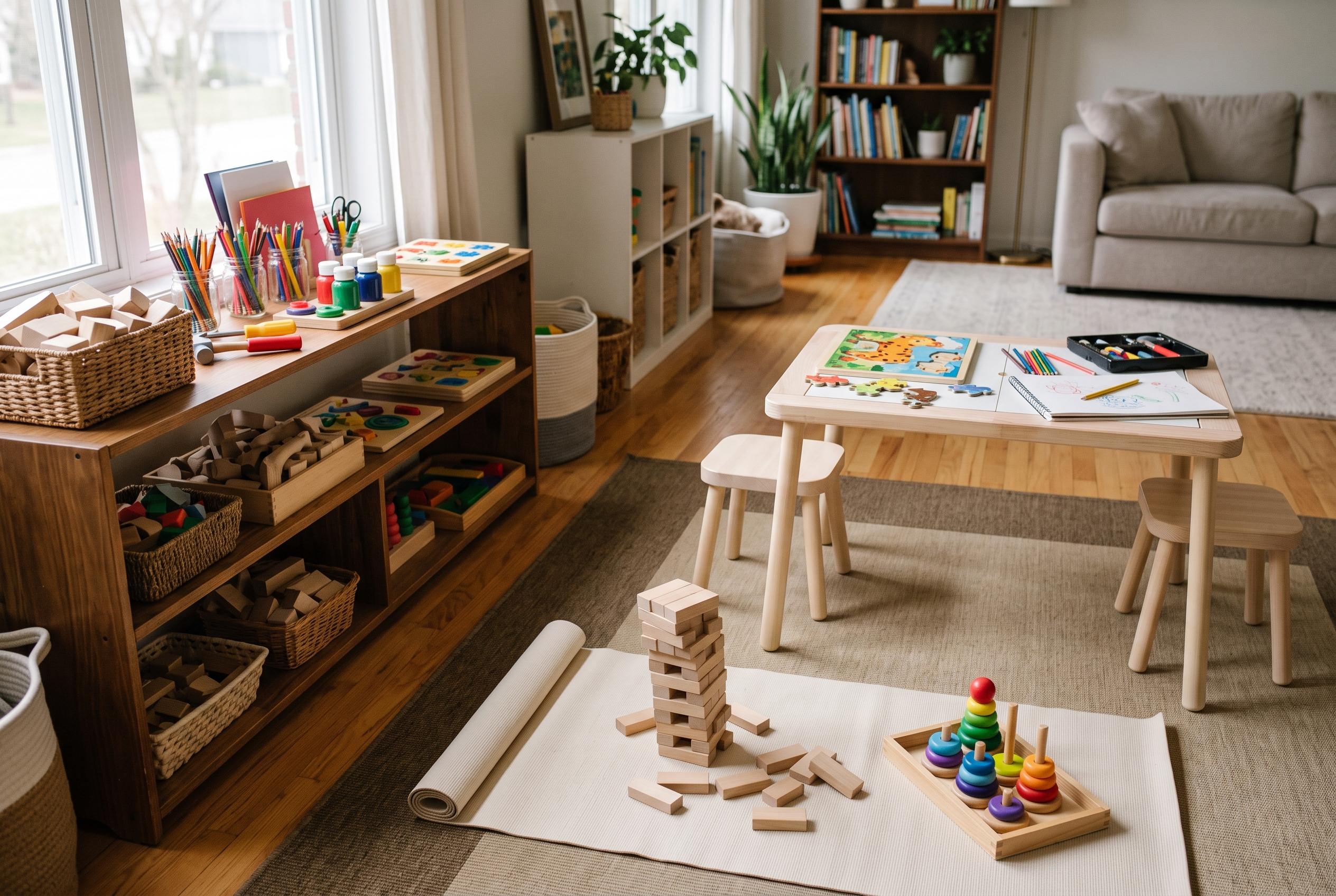

Experts highlight that unstructured play fosters independence, resilience, and vital skills in children, emphasising that allowing small failures and choices encourages confidence and problem-solving for lifelong growth.
Parents often want to protect children from frustration, but everyday play can be one of the best ways to build independence. QToys argues that confidence starts long before a child can complete every task alone: it grows in small choices, experiments and mistakes. A toddler selecting a toy, a child trying a puzzle without immediate help, or a youngster putting things away are all simple acts that strengthen the sense that they can manage on their own.
That view is supported by paediatric guidance. The American Academy of Pediatrics says play helps children develop creativity, imagination, dexterity and emotional strength, while also supporting healthy brain development. It adds that unstructured play gives children a chance to practise social skills such as sharing, negotiating, resolving conflict and speaking up for themselves. UNICEF similarly says free play, where children choose what and how they play, encourages problem-solving, self-expression and self-esteem.
Experts also note that play supports resilience as well as confidence. Healthline says children who play regularly are better able to learn, adapt and cope with stress, while HealthChildren.org says play helps children plan, organise, regulate emotions and get along with others. The Academy’s later guidance goes further, linking play with executive function, language, early maths and a stronger sense of agency, or belief in one’s own ability to act.
For parents and carers, the lesson is not to step back entirely but to make room for manageable challenge. When children are allowed to choose, try, fail and try again in a safe setting, they learn that effort matters and setbacks are part of learning. In that sense, play is not just a break from development; it is one of the ways development happens.
Disclaimer: This content is for informational purposes only and is not intended to be a substitute for professional medical judgment, advice, diagnosis, or treatment.