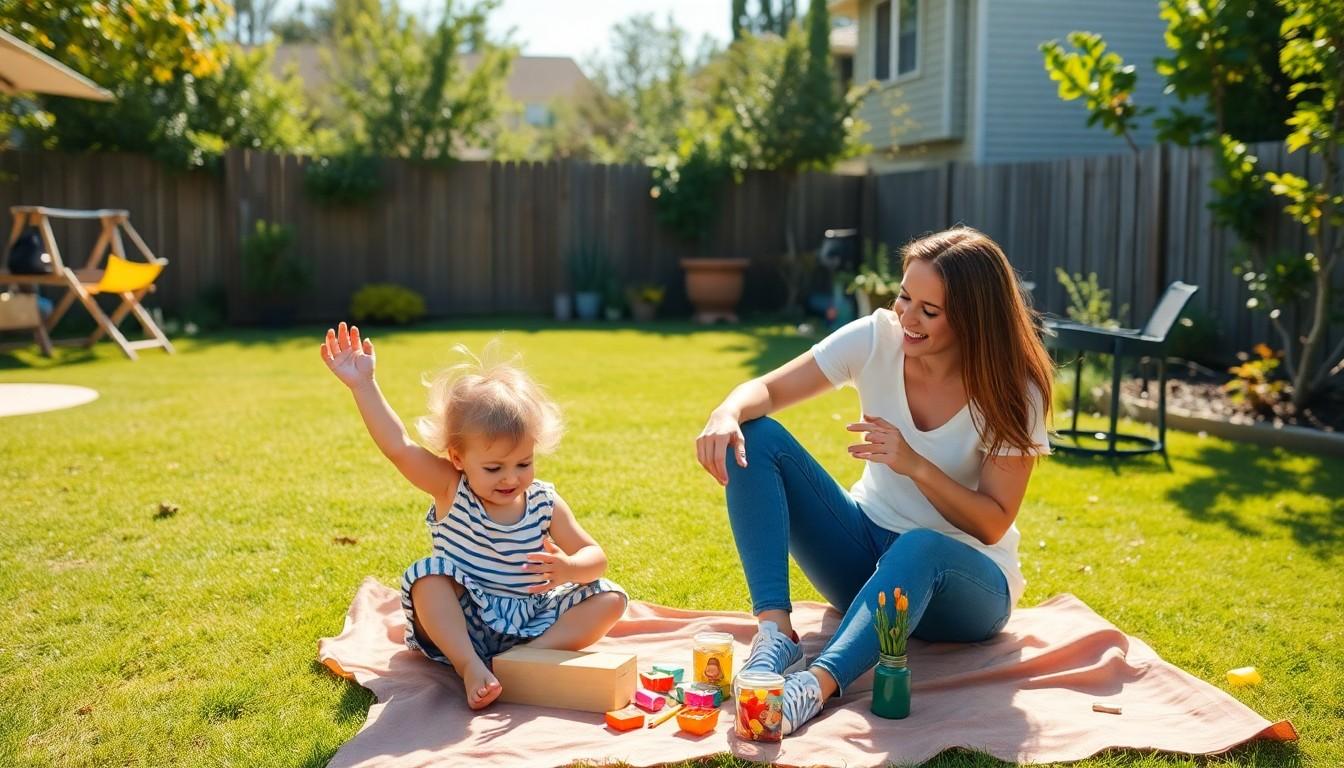

As families reconnect with the importance of unstructured play and flexible rhythms, experts highlight how simple, unscripted moments foster resilience, creativity, and lasting memories in childhood.
Every August, the season can feel like a prompt to tighten the bolts of family life: new routines, new goals, a fresh determination to do childhood “better” than before. In Becky’s reflection for Chickadees Wooden Toys, she looks back on those urges with affection but also a changed perspective. What stays with children, she suggests, is rarely the carefully managed day. It is the lived one.
That idea aligns with child-development research. Scientific American has reported that unstructured play is vital to healthy social, emotional and cognitive growth, helping children develop creativity, problem-solving skills and stronger adjustment. The American Psychological Association says similar free play supports resilience, peer interaction and overall wellbeing, while Children’s Health notes that it helps children build confidence and process feelings in everyday life.
Becky’s point is less about abandoning routine than about understanding what kind of structure children actually need. A schedule is tied to the clock. A rhythm is tied to people. That distinction matters because rhythm leaves room for a long walk, a lingering conversation, a child fascinated by snails after rain or a breakfast that turns into connection instead of a race. Those pauses are not failures of planning; they are often the moments in which childhood becomes memorable.
She argues, too, that adults tend to overvalue productivity and underestimate presence. The ordinary scenes she recalls are not elaborate outings or perfectly designed activities, but muddy boots by the door, handfuls of dandelions, bedtime stories that stretched into “just one more” and laughter drifting through open windows. In her telling, these small, unscripted moments became the ones that endured. That view is echoed in public-health guidance, including a Canadian Public Health Association statement that treats unstructured play as integral to healthy development and part of children’s rights.
The closing message is gentle rather than prescriptive. Families do not need to become entertainers or teachers every hour of the day. They need attention, conversation and the willingness to stay a little longer when a child notices something worth noticing. Becky’s invitation is simple: choose one ordinary moment, resist the urge to hurry past it and see what happens when childhood is allowed to unfold at its own pace.
Disclaimer: This content is for informational purposes only and is not intended to be a substitute for professional medical judgment, advice, diagnosis, or treatment.