
Understanding the differences between speech and language milestones enables parents and carers to identify concerns early. Experts highlight the importance of prompt assessments and early intervention to support children’s communication skills and prevent potential delays.
Children reach speech and language milestones at different speeds, but parents and carers are often best placed to notice when something does not seem quite right. Speech refers to how words are formed and heard, including pronunciation, pace, volume and pitch. Language is broader: it is the system children use to make meaning, whether through spoken words, writing or gestures such as sign language. Youthrive Integrated Therapy Services says understanding the difference can help families spot concerns earlier and seek help sooner.
The distinction matters because a child may have trouble with speech, language or both. According to the National Institute on Deafness and Other Communication Disorders, speech disorders affect the way sounds are produced, while language disorders involve difficulty understanding or using language. Children’s Health and MedlinePlus both note that delays can be linked to hearing problems, which is why hearing checks are often part of an assessment.
Warning signs vary with age. By 12 months, a child may not be using gestures such as pointing or waving, or may not respond to their name. By 18 months, they may have no clear words or struggle to follow simple instructions. By two years, they may not be adding new words or combining two words. By three years, most familiar adults should understand much of what the child says, and by four years the child should usually be understood by people outside the family. By five years, difficulty telling a simple story can be a red flag.
Experts stress that parents should not take a wait-and-see approach if they are worried. Youthrive says early intervention gives children the best chance of progress, and the National Institute on Deafness and Other Communication Disorders and MedlinePlus both emphasise that prompt assessment can make a real difference. A speech-language pathologist can evaluate how a child speaks and understands language, and may use standard tests to compare skills with expected age norms.
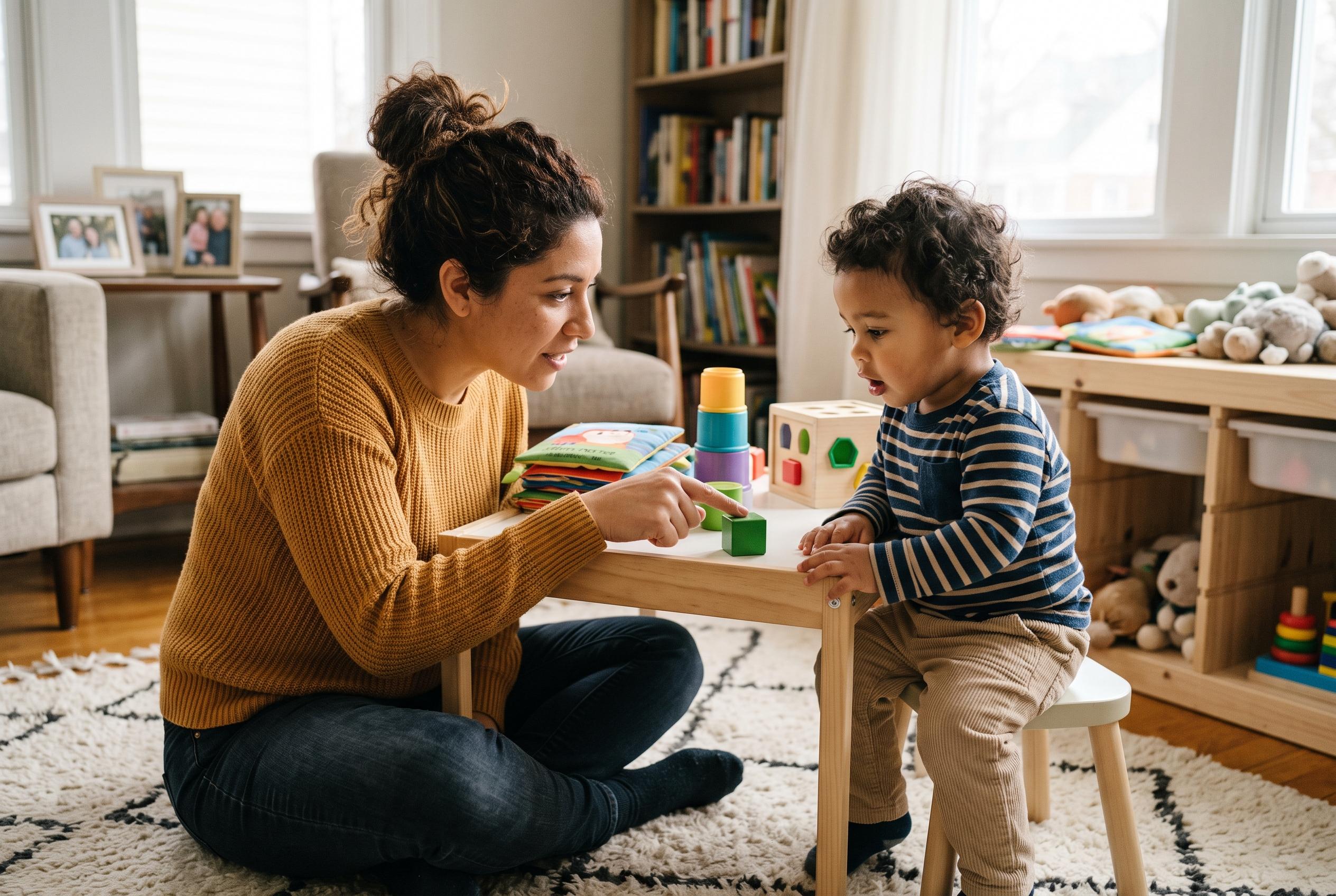
At home, caregivers can support development by talking, singing and encouraging children to copy sounds and gestures. Reading from an early age also helps, especially with board books and picture books that invite children to name what they see. Everyday routines can be used to build vocabulary, whether at the shops, during cooking or while tidying up. Experts recommend keeping language simple and natural, rather than using baby talk, and seeking professional advice if concerns persist.
Disclaimer: This content is for informational purposes only and is not intended to be a substitute for professional medical judgment, advice, diagnosis, or treatment.