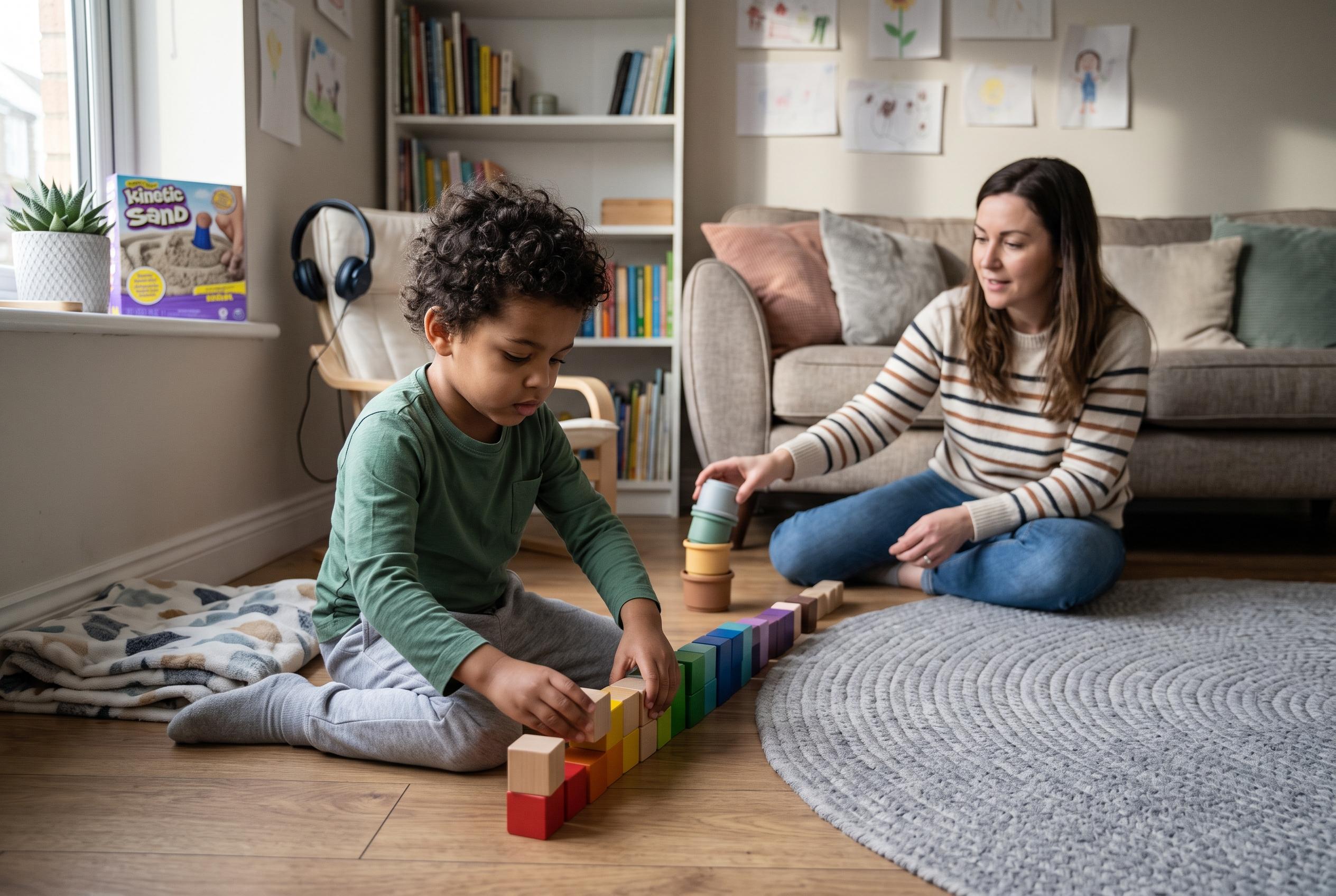

Experts emphasise the importance of recognising early behavioural signs such as communication difficulties and sensory sensitivities to ensure timely support for children with autism.
Parents often notice small differences long before anyone is able to name what is happening. A child may speak less than expected, avoid eye contact, repeat movements, or struggle to engage with others, and those signs can understandably cause worry. But specialists say these behaviours, on their own, do not confirm autism. Nathalie Calderón, a psychologist quoted by El Comercio, says seeking help early is not about labelling a child; it is about understanding how the child communicates, what strengths they already show, and where support may help most.
Among the earliest indicators are differences in communication and social connection. HealthyChildren.org says one of the key warning signs is a lack of shared attention, when a child does not look back and forth between an object and another person to share interest. Limited use of gestures, reduced response to a name, and difficulties with pretend play can also be early clues. Cleveland Clinic notes that repetitive movements, little eye contact, and intense focus on particular objects or activities are also common concerns parents may notice.
Changes in play and daily routines can provide further context. Children’s Health says some children show unusual reactions to sound, touch, or other sensory input, while others become highly attached to specific objects or topics. A strong resistance to change can also stand out. Calderón stressed that these signs should be considered as part of a child’s overall development, not in isolation. One point that deserves particular attention is loss of skills: if a child stops using words, gestures, or social behaviours they had already learned, experts advise seeking an assessment promptly.
The case for early evaluation is strong because autism is usually identified through development and behaviour, not a single medical test. The US Centres for Disease Control and Prevention says the American Academy of Pediatrics recommends developmental screening at 9, 18 and 30 months, with autism-specific screening at 18 and 24 months. UCI Health reports that the earliest signs often appear between ages 1 and 2½, and that early intervention in the first five or six years can significantly improve a child’s developmental path. For parents, the message from specialists is consistent: acting early does not mean assuming the worst; it means giving a child the best chance of support.
Disclaimer: This content is for informational purposes only and is not intended to be a substitute for professional medical judgment, advice, diagnosis, or treatment.