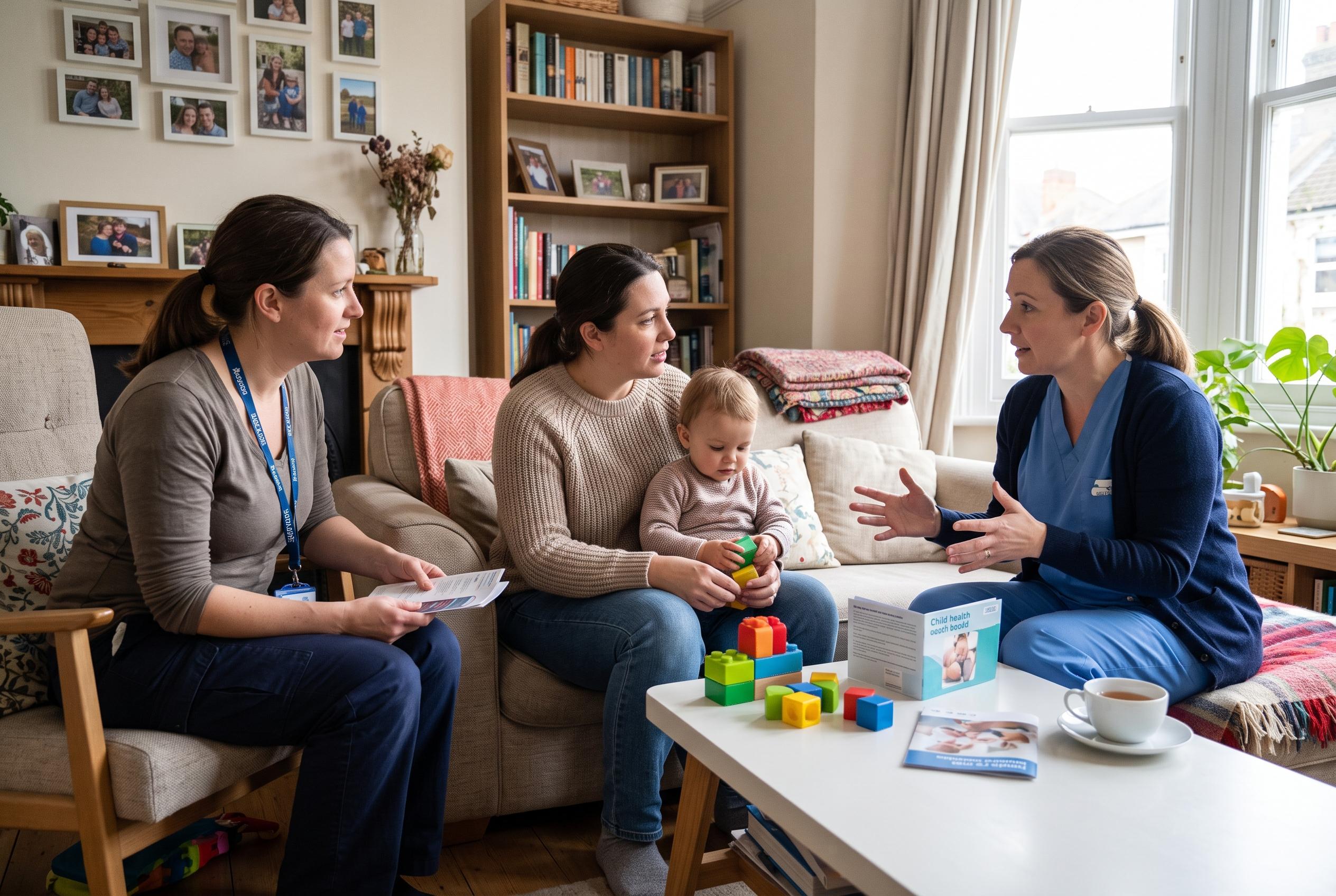

A new scoping review highlights the effectiveness of early, tailored home visiting and parenting programmes led by nurses and midwives, emphasising the importance of core components such as emotional support, health guidance, and community connections for improving outcomes in young children and mothers.
A new scoping review has found that nurse- and midwife-led home visiting and parenting programmes can improve child development, strengthen parenting and support maternal mental health, but their effectiveness appears to depend on a small set of recurring components rather than on any single model alone.
The review, published in the Journal of Advanced Nursing, examined evidence from high-income countries on interventions delivered through home visits, group sessions and structured parenting support. It found that the strongest programmes tended to start early, often during pregnancy or soon after birth, and continued with repeated contact through the first 2 years of a child’s life. The interventions were usually delivered by trained nurses, sometimes working alongside social workers or other professionals, and typically combined health guidance, emotional support and practical parenting advice.
The authors identified five core themes across the studies: parenting education, maternal and infant health, mental health and psychosocial support, community connections and resources, and cultural and contextual sensitivity. Many programmes focused on helping parents read infant cues, manage routines, respond consistently and build warmer, more secure relationships with their children. Others addressed breastfeeding, nutrition, sleep, vaccination and postpartum depression, while some linked families to food aid, health services, housing support or mental health care.
According to the review, personalisation was another common feature. Successful programmes often adjusted their content and frequency to fit family needs, with some using motivational interviewing, video feedback or strengths-based coaching. The interventions also drew on human ecology, attachment and self-efficacy theories, suggesting that the best results came when services recognised both the child’s needs and the wider social environment around the family.
The evidence was strongest for targeted support delivered early and at sufficient intensity. Some studies reported benefits in maternal substance use, child language development, parent-child interaction and reduced maltreatment or emergency care use. Other programmes showed more mixed effects, particularly when outcomes were measured over longer periods. The review also noted that most of the evidence came from programmes for very young children, leaving a gap in interventions for older children and adolescents.
The findings echo long-standing guidance from the World Health Organisation, which has argued that mental health promotion should be built into primary care and perinatal services. WHO has also stressed that maternal mental health is central to child development and that support for parents should be integrated into routine health systems rather than treated as an add-on.
Disclaimer: This content is for informational purposes only and is not intended to be a substitute for professional medical judgment, advice, diagnosis, or treatment.