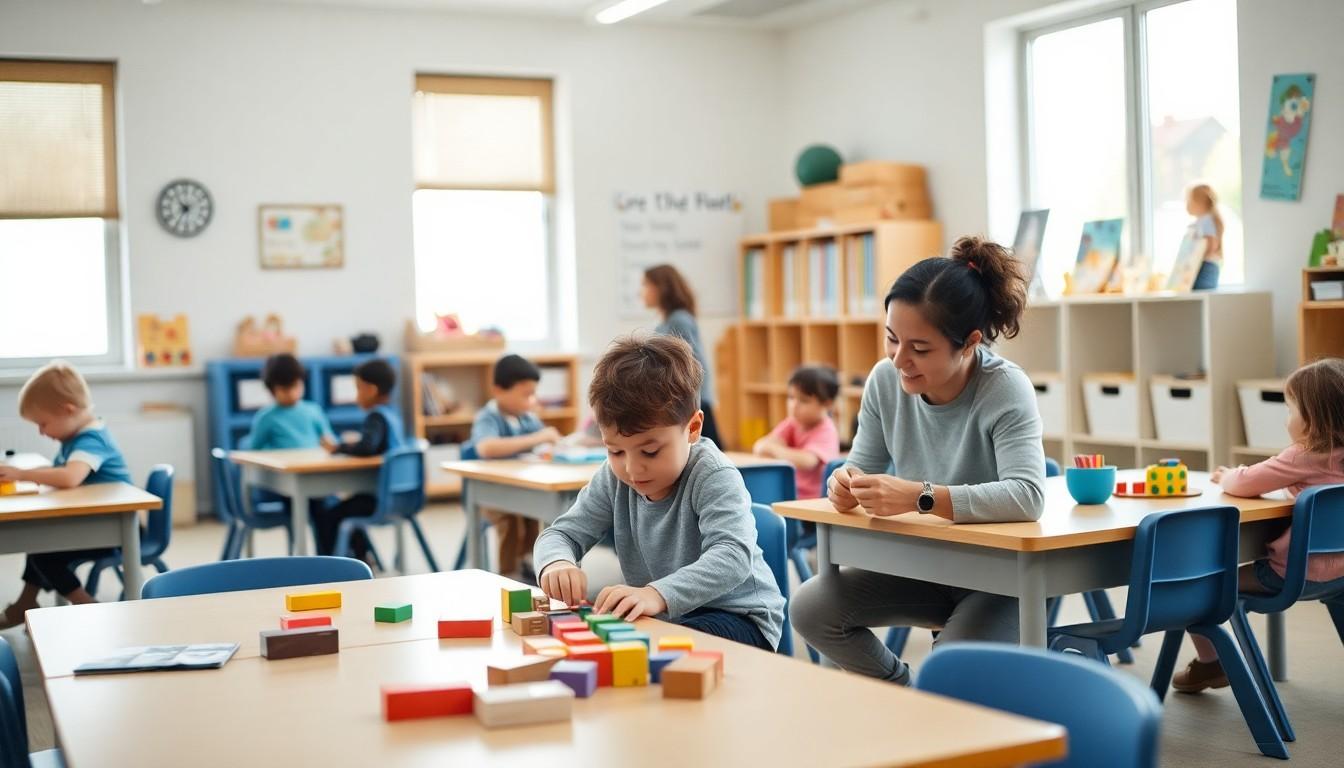

Investing in quality early learning in the first five years is crucial for children’s cognitive, social, and emotional development, with wide-reaching benefits that begin before formal schooling.
Parents often look to the distant milestones when planning their children’s futures: university, careers, independence. Yet the most influential investment usually happens far earlier, in the years before a child ever enters a classroom. Early learning is not simply preparation for school; according to the Eunice Kennedy Shriver National Institute of Child Health and Human Development, it helps set patterns for later learning and shapes cognitive, social and emotional development from the start.
The first five years are especially important because development moves so quickly. National University says this is the period of the most rapid brain growth, while UNICEF describes birth to five as a critical window for long-term health, development and well-being. During these years, children are not just picking up facts; they are learning how to communicate, solve problems, manage emotions and make sense of other people.
That is why quality early childhood education matters so much. The US Centers for Disease Control and Prevention says it can support language, motor and cognitive development, improve school readiness and, in turn, help children succeed once formal schooling begins. The point is not merely to provide childcare, but to create settings where children can explore, practise and build confidence through guided experience.
Parents remain central to that process. An article in the Encyclopedia on Early Childhood Development says responsive parenting, marked by warmth, affection and sensitivity to a child’s signals, can strengthen the foundations for self-regulation and executive function. Reading together, asking open-ended questions and encouraging curiosity are small acts, but they help children develop the habits that underpin later learning.
The wider lesson is that success rarely begins with a college application or first job. It begins with the early moments in which a child learns to share, to persist, to listen and to try again after frustration. Those are not soft skills in any trivial sense; they are the building blocks of resilience, adaptability and confidence.
Access to these opportunities remains uneven. UNICEF USA notes that only about half of the world’s children are enrolled in early childhood education programmes, with poverty, conflict, climate pressures and limited resources all restricting access. That makes the case for early investment even stronger: the earlier children are supported, the more likely they are to arrive at school ready to learn and to carry those advantages forward throughout life.
Disclaimer: This content is for informational purposes only and is not intended to be a substitute for professional medical judgment, advice, diagnosis, or treatment.