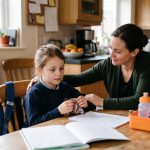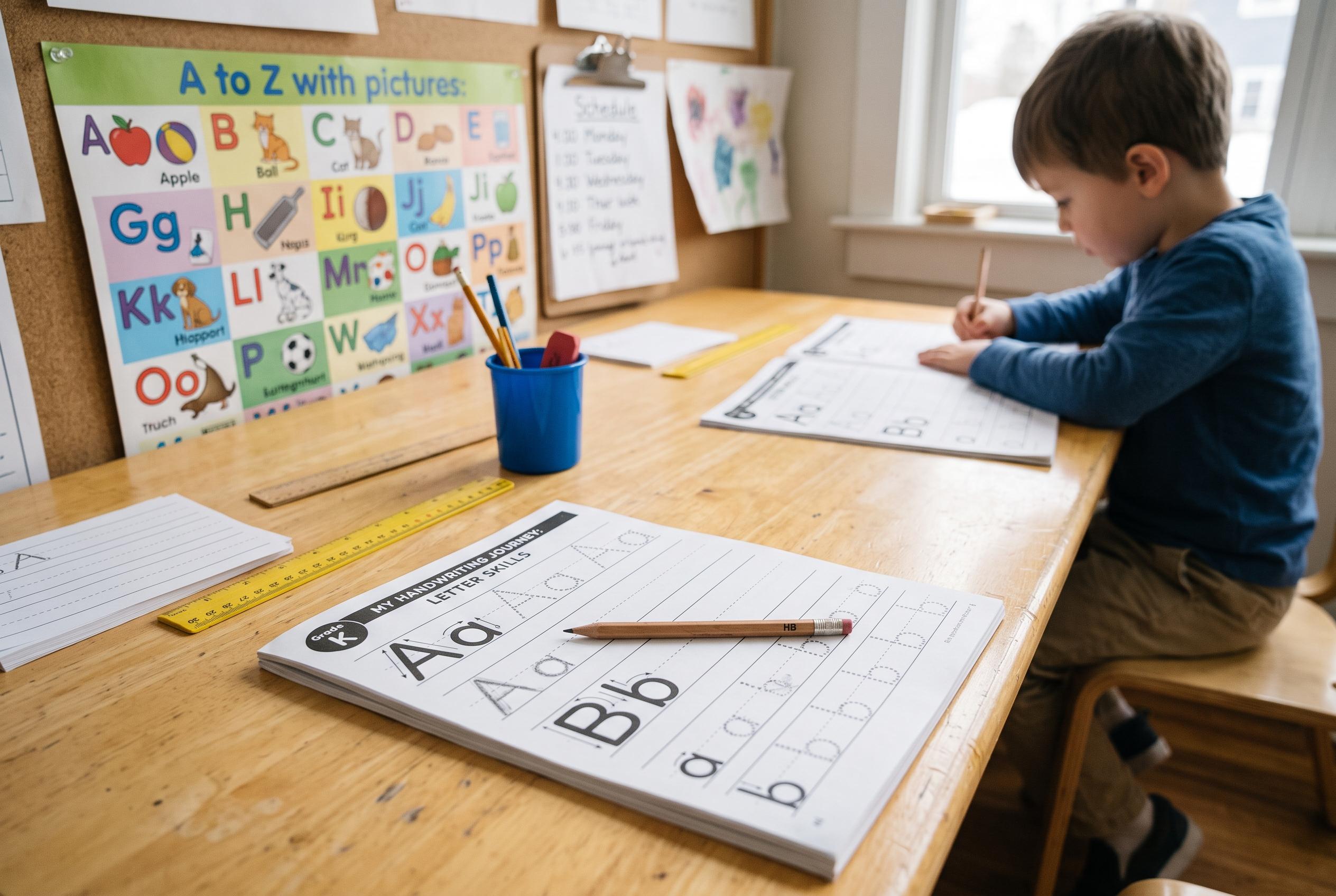

Consistent, short daily exercises embedded into routines significantly improve young children’s handwriting skills and confidence, according to educational experts and innovative teaching strategies.
Kindergarten handwriting works best when it is treated as a daily habit, not a one-off unit. The core idea is simple: once children have been shown how to form letters properly, they still need repeated chances to practise those movements so the skill becomes automatic. As the lead article notes, stopping after the first few weeks often leaves teachers facing reversed letters, uneven writing and habits that are hard to unlearn later.
Education guides for parents and teachers make the same point in different ways. Intentional Learning Time says short, regular sessions help build muscle memory, fine-motor strength and coordination, while Class Weekly recommends focused practice rather than trying to fix every mistake at once. Cache County School District also says handwriting improves through repeated instruction and monitoring, with daily practice built into kindergarten classrooms.
The most practical approach is to weave handwriting into routines that already exist. That can mean a quick warm-up before literacy work, a short writing task during journal time, or a few minutes on a dry-erase board during phonics or transitions. The aim is not to add another long lesson, but to keep letter formation visible and consistent throughout the day.
Variety can help children stay engaged. Parents and teachers can use play dough, chalk, crayons, coloured pencils or mini whiteboards to reinforce the same letter shapes in different ways. Children’s Minnesota notes that handwriting matters beyond neatness, because early struggles can affect note-taking, test work and confidence later on. Its guidance for home learning also encourages art materials and writing activities that feel playful rather than pressured.
The broader message from classroom and parenting resources is that handwriting is a skill worth revisiting all year. WorksheetZone says handwriting supports fine motor skills, hand-eye coordination, letter recognition and confidence, while Jompie highlights the value of keeping practice short, visual and enjoyable. In that spirit, the simplest methods are often the most effective: model the letter, watch the child form it, correct the movement when needed and return to it again the next day.
Disclaimer: This content is for informational purposes only and is not intended to be a substitute for professional medical judgment, advice, diagnosis, or treatment.