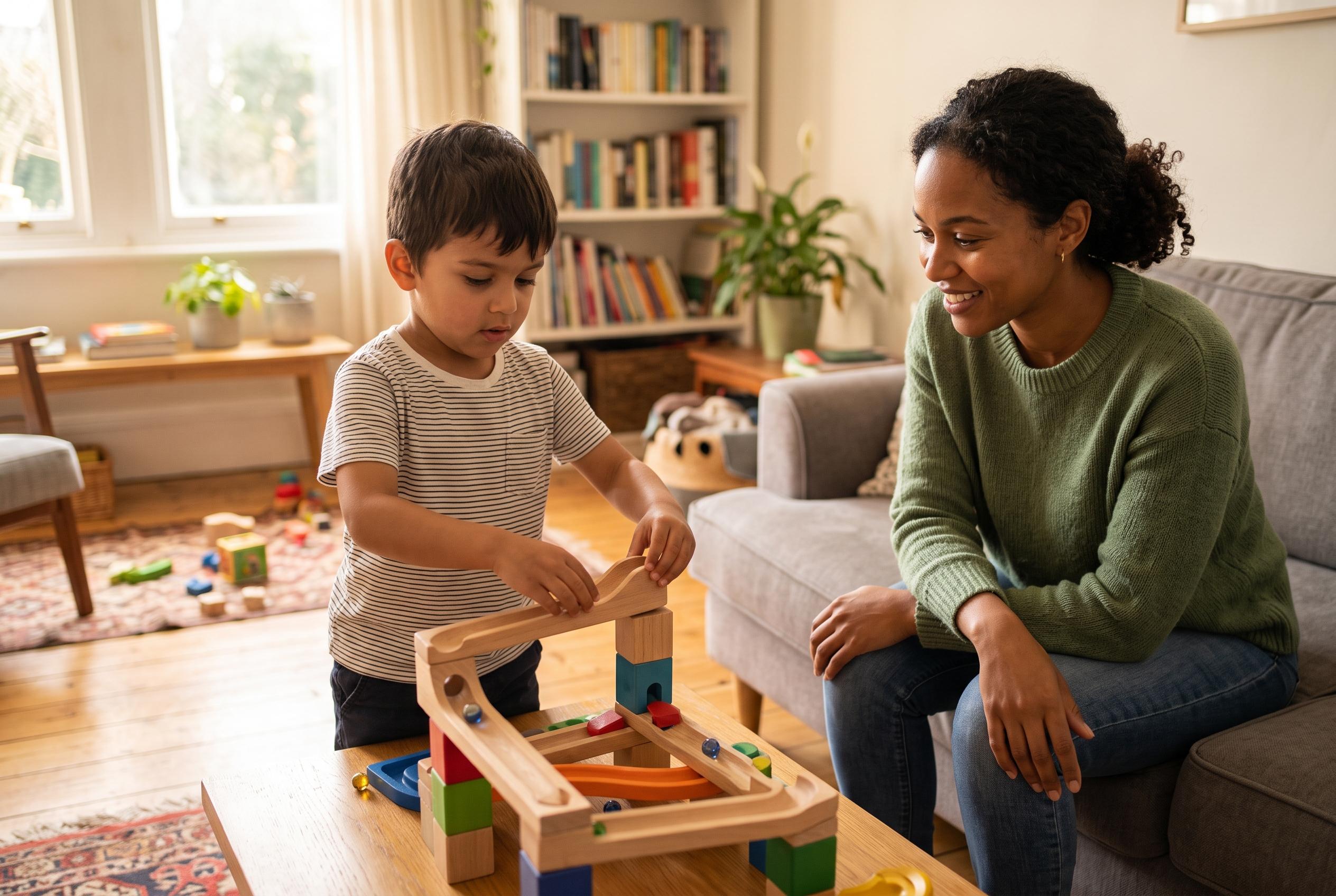

Research from IPB University highlights the importance of fostering a child’s belief in their abilities, indicating that self-efficacy significantly impacts psychological well-being in early childhood and beyond.
A doctoral study at IPB University suggests that a child’s sense of “I can do this” may matter more for psychological well-being than parents often realise. Zahro Malihah’s research found that self-efficacy was the strongest direct factor linked to young children’s psychological health, ahead of other influences in the model she studied. The university said the work focused on 304 mothers with children aged four to six in 19 kindergartens in West Bogor District.
The findings add weight to a growing body of research showing that self-efficacy, the belief that one can complete a task or handle a challenge, is different from general confidence. In Zahro’s account, that belief is built through everyday experiences: trying to dress alone, finishing a game, coping with frustration and having another go after failure. The point, she said in a written statement quoted by Republika, is not to make children succeed every time, but to help them learn that effort, persistence and support can lead to progress.
The study also argues that parents and teachers play a central role in creating those experiences. According to the dissertation summary on IPB’s repository, the research examined how child, family and environmental factors interact in shaping psychological well-being in early childhood. That broader view matters because a supportive home or school environment alone may not be enough if adults routinely step in before a child has a chance to struggle, solve a problem or recover from disappointment.
Other academic work points in the same direction. A study published in TERAPUTIK: Jurnal Bimbingan dan Konseling found a strong positive link between self-efficacy and psychological well-being among university students, while research from Universitas Gadjah Mada and Jurnal Psikologi Udayana also linked self-efficacy with better mental health in adolescents. Taken together, the studies suggest a consistent pattern: children and teenagers who believe they can meet challenges are often better placed to cope with stress and thrive.
Disclaimer: This content is for informational purposes only and is not intended to be a substitute for professional medical judgment, advice, diagnosis, or treatment.