

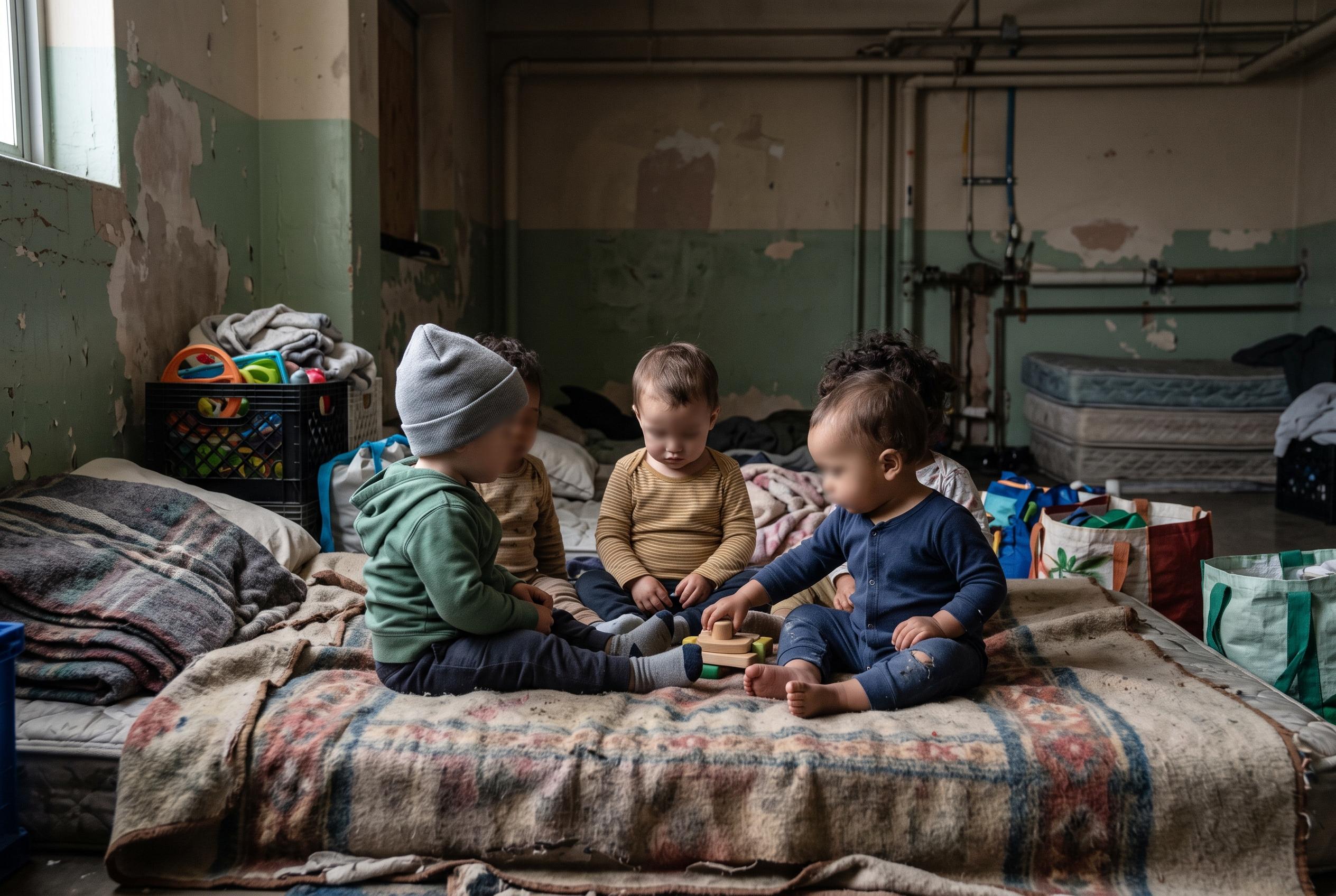

A new analysis reveals that nearly 86,000 children aged zero to three in California experienced homelessness in 2023-24, highlighting gaps in support and data tracking that could have long-term consequences for early development.
California is facing a sharp rise in homelessness among its youngest children, with new analysis from SchoolHouse Connection and Poverty Solutions at the University of Michigan estimating that nearly 86,000 children aged zero to three were affected in 2023-24. That works out to just over 5% of the state’s infants and toddlers and marks a 15% increase from the previous year, underscoring how housing instability is reaching families long before children enter kindergarten.
The research also points to a major gap in support: only about 12,000 of those children were enrolled in early learning programmes. Advocates say that matters because early childhood settings are often where homelessness is first identified and where families can be linked to services. The low enrolment rate suggests many children may be slipping through the cracks, especially in a system that is already fragmented and depends on multiple public agencies for data.
Experts say the problem is made harder by the way homelessness is counted. The estimate is based on first-grade homelessness data and census figures for the zero-to-three population, meaning it is likely to miss some children. SchoolHouse Connection and university researchers say the lack of a single federal system tracking infants and toddlers creates blind spots, while awareness of how federal homelessness protections apply to preschool-age children remains uneven.
The stakes are high for both early learning providers and school districts. California received a one-time $98.76 million share of the federal $800 million pandemic-era homelessness allocation in 2021, money that helped schools improve identification and support. This year, the state legislature approved a one-time $116 million grant for identification efforts, but it is unclear how it will be distributed. Researchers and advocates warn that without stable, long-term funding, it will be harder to build the kind of early-warning and referral systems that could help families before children fall behind in school.
Disclaimer: This content is for informational purposes only and is not intended to be a substitute for professional medical judgment, advice, diagnosis, or treatment.



