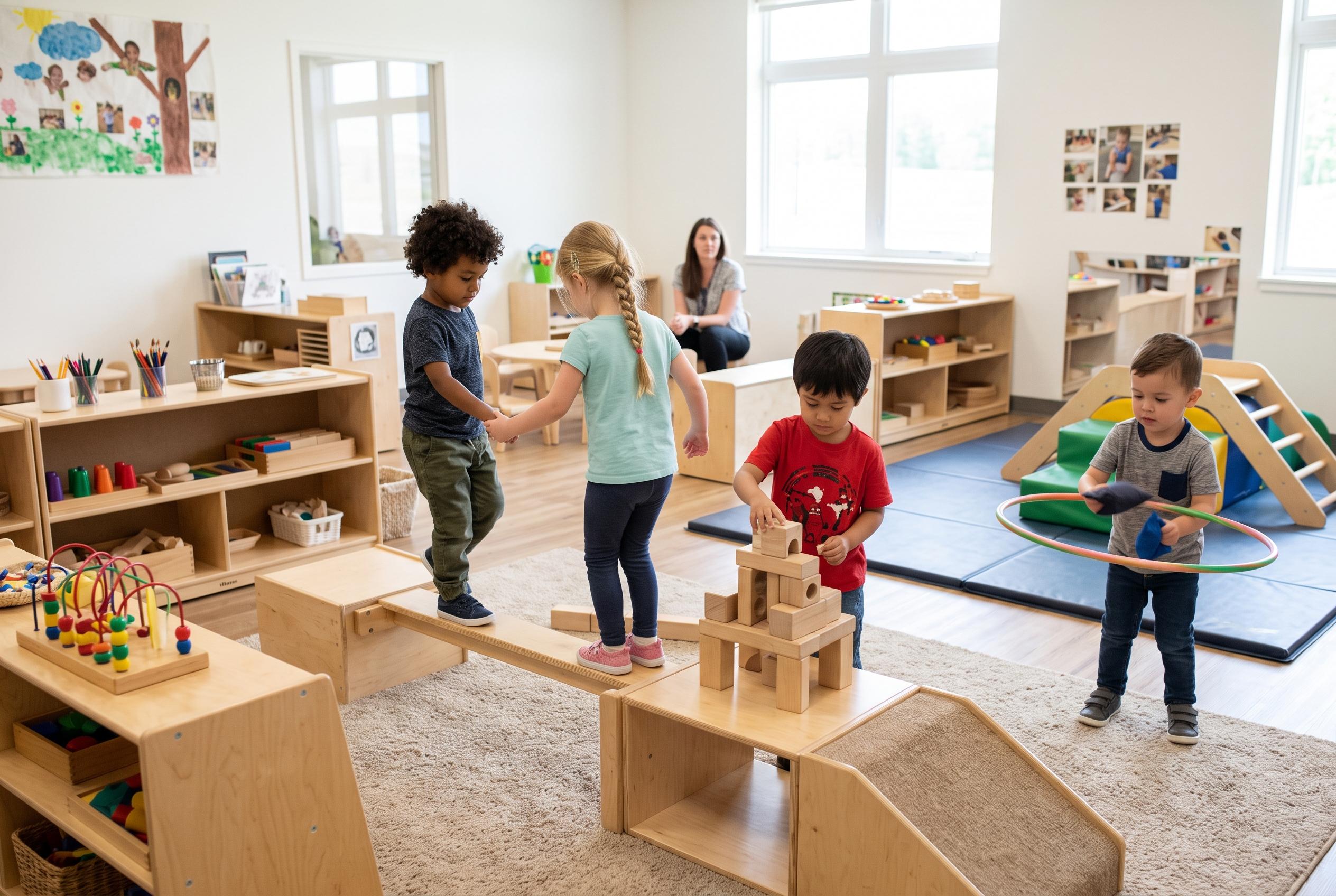

Emerging research highlights that developing self-regulation, social skills, and physical play in preschoolers offers more significant educational benefits than early memorisation, urging a shift in parental and educational priorities.
Parents who worry they are not teaching their preschooler enough can take some comfort from a growing body of early years research: the most valuable preparation for school is not memorising facts, but building the habits that help children learn well. The concern is familiar to many families who feel pressure to push flashcards, early reading and other formal lessons before kindergarten.
Harvard Graduate School of Education has argued that young children benefit most from predictable routines and opportunities to practise self-regulation, attention and social-emotional skills throughout the day. Those abilities, educators say, support later learning in reading and maths far more reliably than early drilling alone.
That view is reinforced by the Organisation for Economic Co-operation and Development, which says early literacy and numeracy matter, but so do self-regulation, prosocial behaviour and motor skills. Its research links those early capabilities with stronger educational outcomes later in life, including a higher chance of completing a degree.
The broader policy case is similar. The Economic Policy Institute has called for schools and families to treat persistence, problem-solving, creativity and self-control as core skills rather than extras. RTI Press has also reported that motor competence in early childhood is connected with gains in executive function and numeracy, underscoring how physical play and cognitive growth often develop together.
For parents, that means everyday life can do much of the work. Reading aloud, talking through a television programme, playing memory games, setting simple chores and allowing time for focused play all help children practise concentration, follow directions and finish what they start. These are the kinds of habits that make classroom learning easier when formal schooling begins.
The point is not to abandon numbers, letters or curiosity about the world. It is to place them in the right order. A child who can listen, persist and manage frustration is better placed to absorb everything that comes next, whether that is phonics, counting or the first steps in independent learning.
Disclaimer: This content is for informational purposes only and is not intended to be a substitute for professional medical judgment, advice, diagnosis, or treatment.