
Brazil ranks 75th out of 123 countries in the EF English Proficiency Index, prompting experts to emphasise the importance of starting language learning in childhood to improve cognitive and career outcomes.
Brazil’s struggle with English proficiency is once again under scrutiny after the latest EF English Proficiency Index placed the country 75th out of 123 nations and regions. The annual study, based on test data from 2.2 million adults, classifies Brazil as having low proficiency, reinforcing concerns about how and when language learning should begin.
For Luciana Hodges, a psychopedagogical coordinator at ABA Maple Bear, the answer lies in childhood. She says early exposure matters because the brain is still developing, making it easier for children to absorb new sounds, structures and meanings more naturally than many adults can.
Hodges argues that the benefits go well beyond vocabulary and grammar. According to her, learning a second language from an early age can strengthen cognitive flexibility, problem-solving and intercultural communication, skills that are increasingly valued in an interconnected economy. She says bilingual children tend to adapt more easily and interact more confidently across different settings, with consequences for both academic progress and later career prospects.
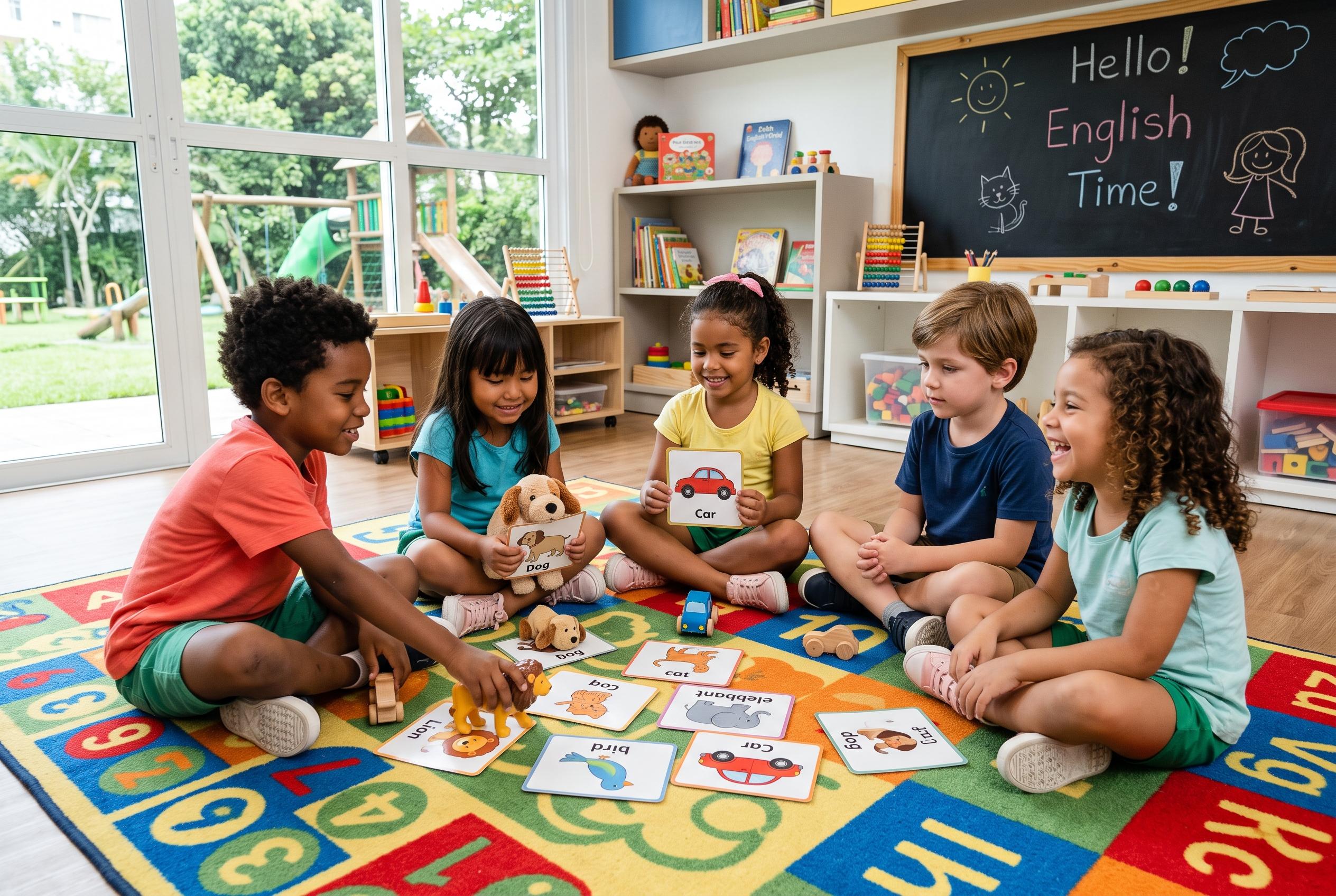
Bilingual schools are increasingly using immersion-based teaching to make that process more meaningful. At ABA Maple Bear, English is woven into daily routines, classroom interaction, play and project work, with students encouraged to lead their own learning through practical, context-based activities. Hodges says children communicate through speech, movement and drawing, and that recognising all of these forms of expression helps build knowledge in two languages while broadening their cognitive, cultural and social development.
Disclaimer: This content is for informational purposes only and is not intended to be a substitute for professional medical judgment, advice, diagnosis, or treatment.