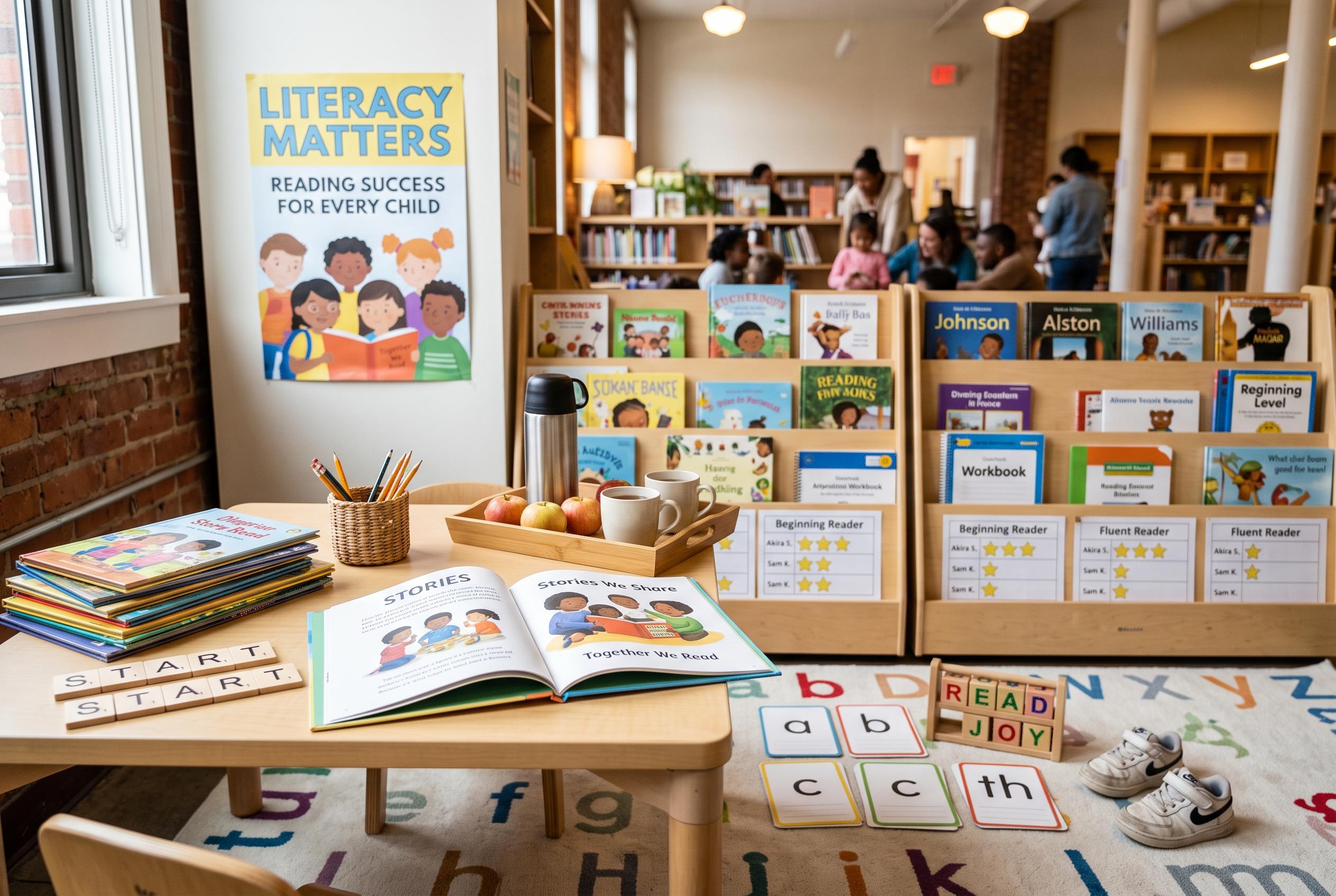

Community-led efforts and a shift towards evidence-based reading instruction are transforming literacy outcomes for Black children, highlighting the power of local support and systemic change.
What changed for Black children who once struggled to read was not the children themselves,but the system around them. According to Rolling Out, the turnaround began in churches, homes and neighbourhood programmes long before it showed up in test scores. The article argues that Black communities drove the shift by rejecting labels that cast children as incapable and by building support that treated reading as a skill that can be taught, not an inherited talent.
That argument fits a broader body of research on reading instruction. The Thomas B. Fordham Institute has described how many schools moved away from phonics in the 1980s and 1990s, a change that left many disadvantaged children without the structured decoding lessons they needed. The institute has also reported that a growing number of states have since adopted “science of reading” laws, reflecting a return to evidence-based instruction, though progress remains uneven in higher-poverty schools.
The role of Black educators is especially important. Research published in the American Economic Journal: Economic Policy found that Black students who had at least one Black teacher in grades K-3 were more likely to graduate from high school and enrol in college. A separate National Bureau of Economic Research working paper suggests that Black teachers may also improve the racial competence of white colleagues, helping more students benefit from stronger expectations and fairer discipline.
Community programmes filled in the gaps that schools often left behind. Rolling Out points to church-based tutoring, weekend reading sessions and summer learning schemes that kept children practising when classrooms were closed. That matters because researchers have long found that learning loss can hit Black and low-income pupils hardest during breaks from school. In Mississippi, where officials embraced structured literacy reforms, Black fourth-grade reading results improved sharply by 2019, offering a reminder that policy changes, backed by family and community effort, can shift outcomes at scale.
Disclaimer: This content is for informational purposes only and is not intended to be a substitute for professional medical judgment, advice, diagnosis, or treatment.