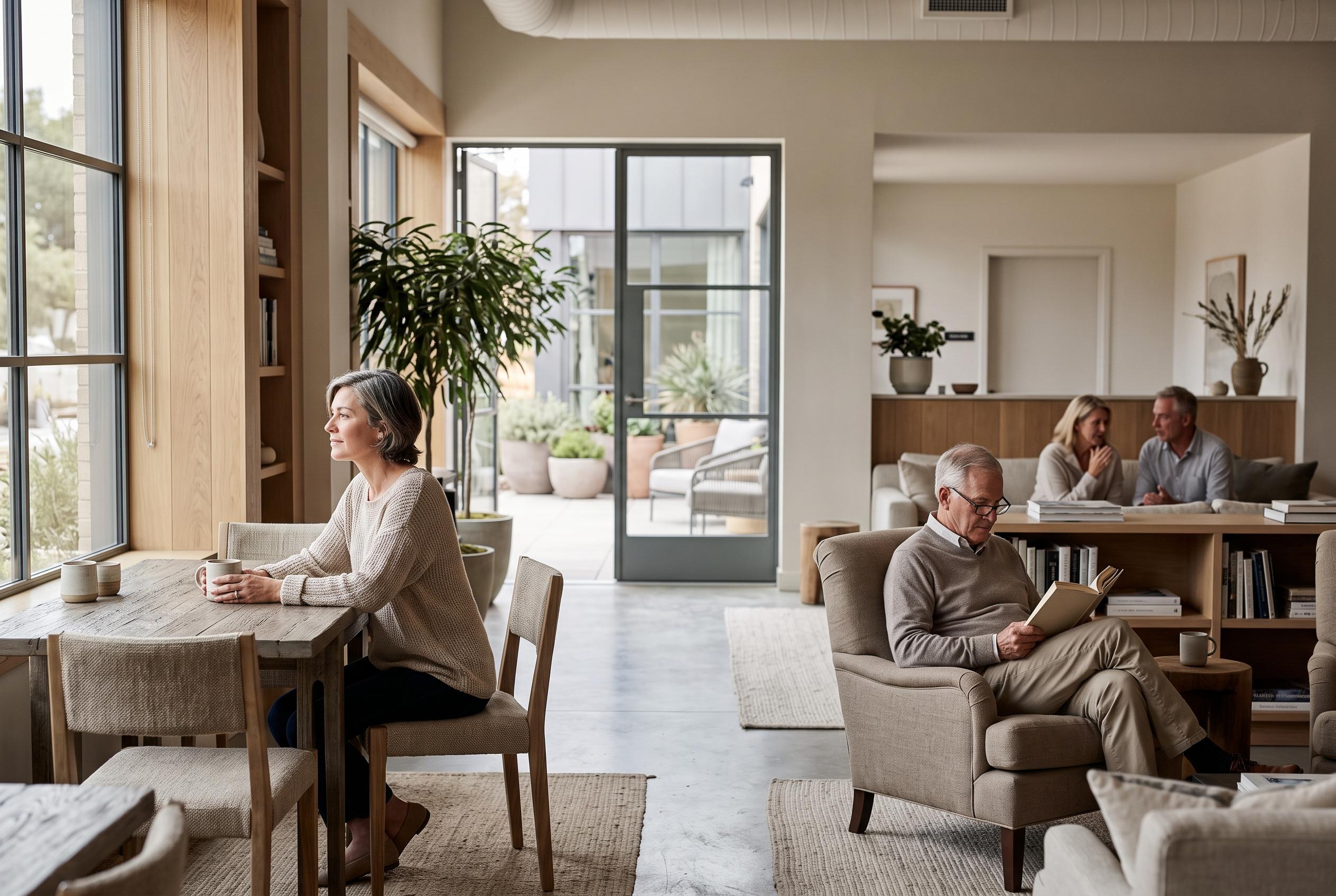

An increasing preference among adults for child-free environments reflects changing attitudes towards childhood behaviour and adult expectations, with a rise in adult-only venues and outdoor holidays without children.
More adults are choosing child-free spaces on holiday and at dinner, and that says as much about grown-up expectations as it does about children. In the Netherlands, an opinion piece in DVHN argued that the real shift is not that children have become worse behaved, but that adults have become less willing to accept ordinary childhood noise, restlessness and impatience. That argument is echoed by the rise of child-free campsites and the growing market for adults-only dining.
A recent U.S. survey reported by Fox News and other outlets found that 75% of adults support some form of adults-only dining, whether through separate seating, evening restrictions or romantic child-free settings. Nearly half backed limits on children during late-night hours, while similar shares supported adults-only sections and child-free dining for couples. The figures suggest that the appetite for quieter, more controlled public spaces is no longer a niche preference.
That trend fits a broader cultural pattern identified in the DVHN commentary: ordinary child behaviour is increasingly being treated as a problem to be fixed. The piece argues that a child who is restless, forgetful or occasionally defiant is often simply acting within a normal range of development, even if that behaviour is inconvenient for adults nearby. It also warns that modern parenting culture can blur the line between genuine developmental concern and simple intolerance of children being children.
There is, however, a real backdrop of concern about young people’s wellbeing. The Dutch commentary points to rising anxiety and low mood among some adolescents, particularly girls, while stressing that this is not the same as claiming children are generally less well behaved. At the same time, camping remains popular in other forms: The Dyrt’s latest report says RVs and trailers were still used by more than half of campers in 2025, showing that many families continue to seek outdoor holidays even as some businesses move towards excluding children altogether.
Disclaimer: This content is for informational purposes only and is not intended to be a substitute for professional medical judgment, advice, diagnosis, or treatment.