

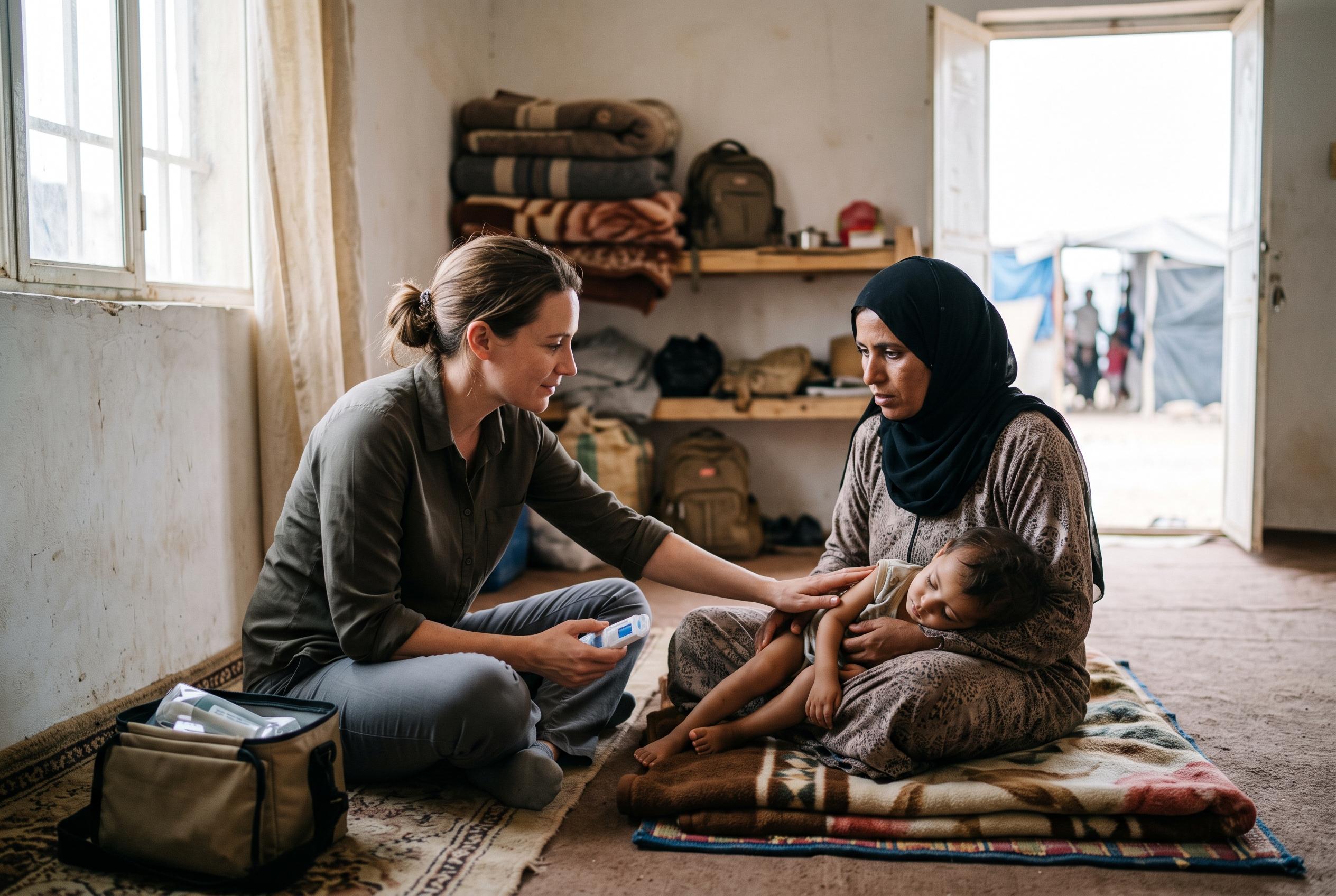

UNICEF warns that over 2.2 million Yemeni children under five suffer from acute malnutrition, as ongoing conflict, food shortages, and economic collapse deepen the country’s humanitarian emergency, disrupting education and displacing thousands.
Yemen’s children are bearing the heaviest burden of a war that has pushed the country’s humanitarian emergency deeper, according to UNICEF, which says more than 2.2 million children under five are now suffering from acute malnutrition, including about 540,000 in the most life-threatening form. Akhil Iyer, UNICEF’s representative in Yemen, said the crisis is being driven by conflict, hunger and a collapsing economy, leaving families struggling to secure even the most basic food and care.
Iyer told a weekly briefing at the United Nations in Geneva that recent screenings in areas where aid teams could move safely found worrying levels of need. UNICEF mobile nutrition teams checked roughly 2,900 children in recent weeks; more than a quarter were found to be acutely malnourished, and about 200 had severe acute malnutrition, the gravest category. He said the figures were only a glimpse of a much wider emergency across the country.
UNICEF has said Yemen’s nutrition crisis is being fuelled by food shortages, poor infant feeding practices and the wider economic decline that has followed years of fighting. The agency said the war has left nearly 10 million children in urgent need of humanitarian assistance, while almost half of children under five are affected by stunting, a sign of chronic undernutrition that can permanently hinder growth and development. The organisation says it has expanded treatment and prevention programmes, after helping to treat more than 315,000 children under five for severe acute malnutrition in 2021.
The human cost goes well beyond hunger. Iyer said around 130,000 people were displaced in the previous three weeks, including 71,000 children, as violence intensified. Education has also been badly disrupted: UNICEF says 243 schools closed or paused teaching in the same period, affecting about 140,000 students. Separate UNICEF material says more than 2 million school-age children are out of school across Yemen, where attacks on schools, teachers and other infrastructure have left learning in disarray and increased the risk of child labour, early marriage and recruitment into fighting.
Disclaimer: This content is for informational purposes only and is not intended to be a substitute for professional medical judgment, advice, diagnosis, or treatment.



