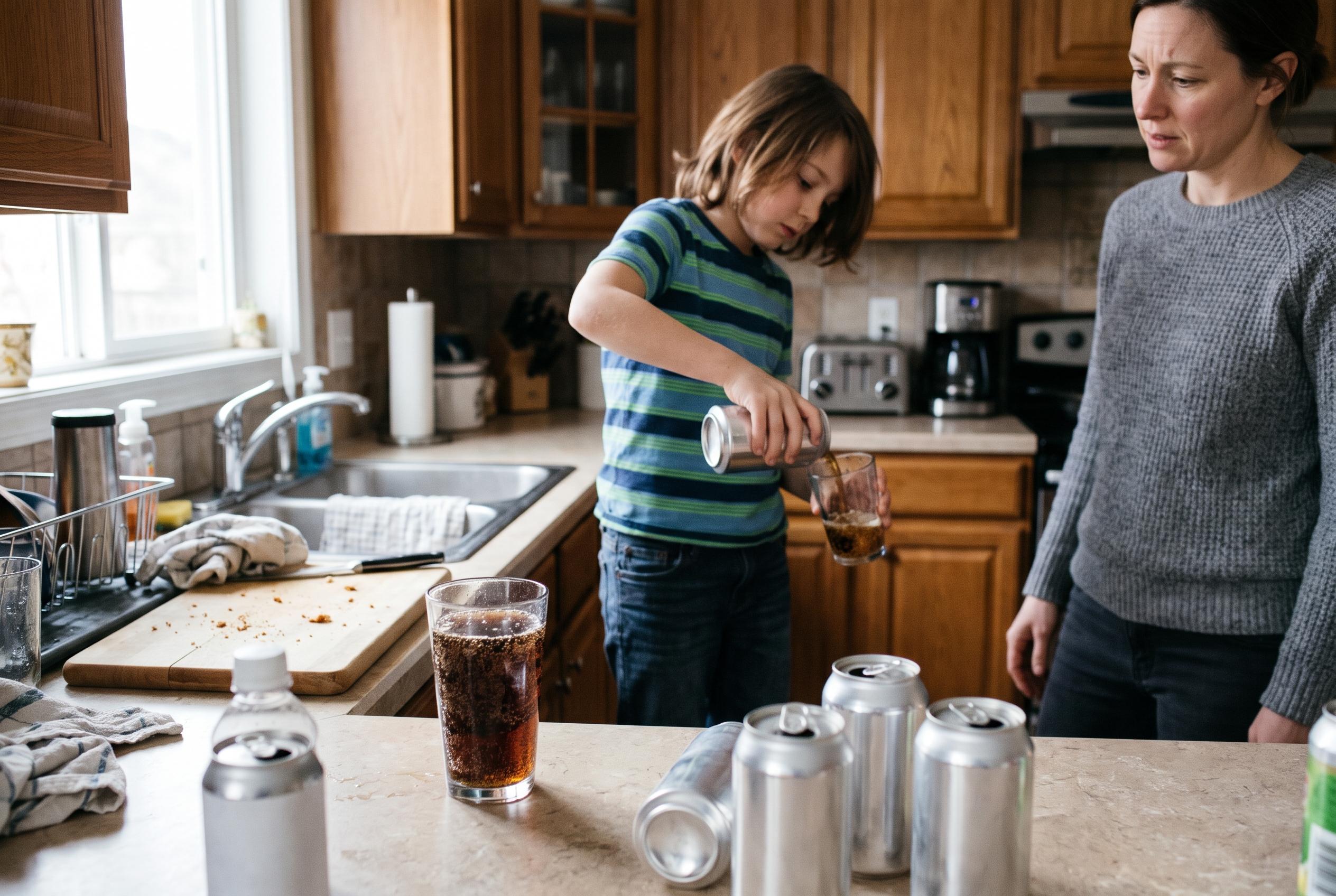

Health experts warn that caffeine in fizzy and energy drinks can disrupt children’s sleep, mood and concentration, with younger children advised to avoid it altogether.
Many parents watch for the sugar in fizzy drinks, but the caffeine content is just as important. HealthyChildren.org, the parent information service from the American Academy of Pediatrics, says caffeine is a stimulant found in sodas as well as coffee and tea, and children are more vulnerable to its effects because their bodies and brains are still developing. Cleveland Clinic adds that even modest amounts can affect sleep, mood and concentration in younger children.
That sensitivity matters because caffeine can show up in more than just obvious sources. Johns Hopkins Medicine notes that some carbonated drinks and energy drinks contain significant caffeine, along with added sugar and other stimulants. For children, that combination can mean restlessness, anxiety, a racing or irregular heartbeat, nausea and poorer sleep, all of which may have knock-on effects at school and at home.
Health specialists are generally clear that younger children should avoid caffeine altogether. HealthyChildren.org says there is no biological need for caffeine in a child’s diet and recommends that children, especially those under 12, have none. Cleveland Clinic gives similar advice, and says those aged 12 to 17 should keep intake to no more than 100 milligrams a day. Children’s Health says there is no proven safe dose for children under 12, while suggesting older children keep caffeine below 2.5 milligrams per kilogram of body weight daily.
The concern goes beyond caffeine alone. The US Centres for Disease Control and Prevention says energy drinks and similar products often combine large amounts of caffeine with sugar and other stimulants, which can contribute to dehydration, insomnia and heart-related problems. It also cites emergency-room visits linked to energy drinks among adolescents. In practice, that means parents are often better off choosing water, milk or unsweetened fruit juice for children and reading labels carefully before offering any packaged drink.
Disclaimer: This content is for informational purposes only and is not intended to be a substitute for professional medical judgment, advice, diagnosis, or treatment.