

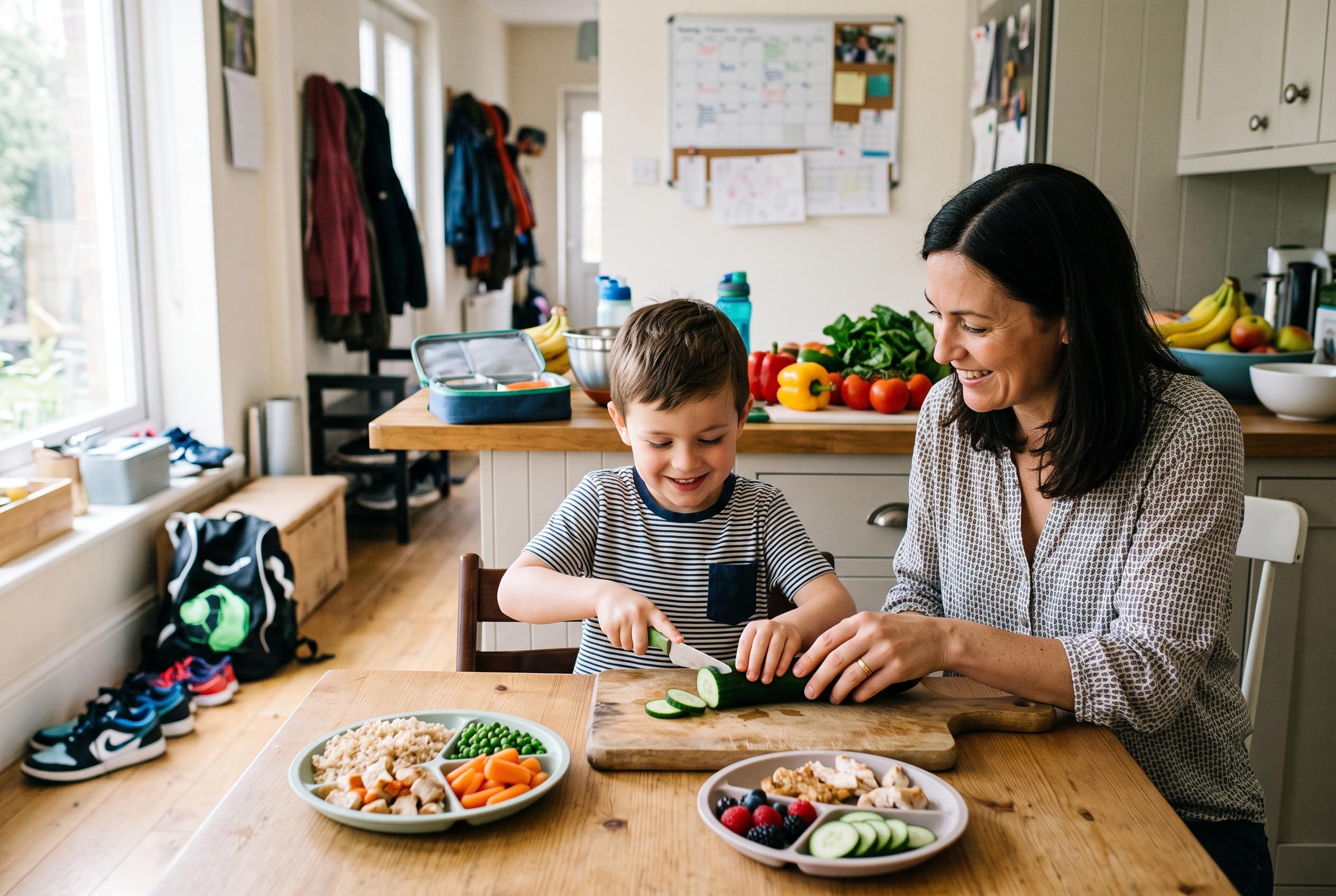

The WHO’s inaugural global guidance on childhood obesity emphasises diet, physical activity, and family involvement, signalling a shift away from reliance on medication and surgical interventions.
The World Health Organisation has issued its first global guidance on childhood obesity, urging health services to focus on diet, physical activity and family support rather than reaching first for medication. The advice lands as new research suggests that something as simple as eating with a trusted companion may influence how the body handles food, adding weight to calls for practical, home-based prevention rather than a purely medical approach.
According to the WHO, 170 million children and teenagers aged five to 19 were living with obesity in 2024, including 70 million children aged five to nine and 100 million adolescents. The agency said obesity in this age group has quadrupled since 1990, rising from 2% to 8%, and warned that the condition can begin harming health early in life, increasing the risk of type 2 diabetes, cardiovascular disease, stigma and bullying.
The organisation said weight-loss medicines may be considered only for some people aged 10 to 19 with obesity, and only after closely supervised interventions have not worked. For children under 10, it recommends a balanced diet, regular movement and behavioural support, while cautioning against routine use of medicines or surgery because of limited evidence on long-term safety and effectiveness. The Mayo Clinic likewise says successful treatment usually depends on lasting changes in eating habits, physical activity and strong family involvement.
That wider emphasis on routine, relationships and behaviour is echoed by a study published in Science Advances and highlighted by Eating Well, which found that adults who ate a standard carbohydrate meal with a romantic partner had smaller spikes in blood sugar than when they ate alone. The same research, which also examined body temperature and stress responses in adults and infants, suggested that close social contact may help the body maintain internal balance more efficiently. While the findings do not replace medical care, they underline a simple message: for children and families, the setting around a meal may matter almost as much as the meal itself.
Disclaimer: This content is for informational purposes only and is not intended to be a substitute for professional medical judgment, advice, diagnosis, or treatment.



