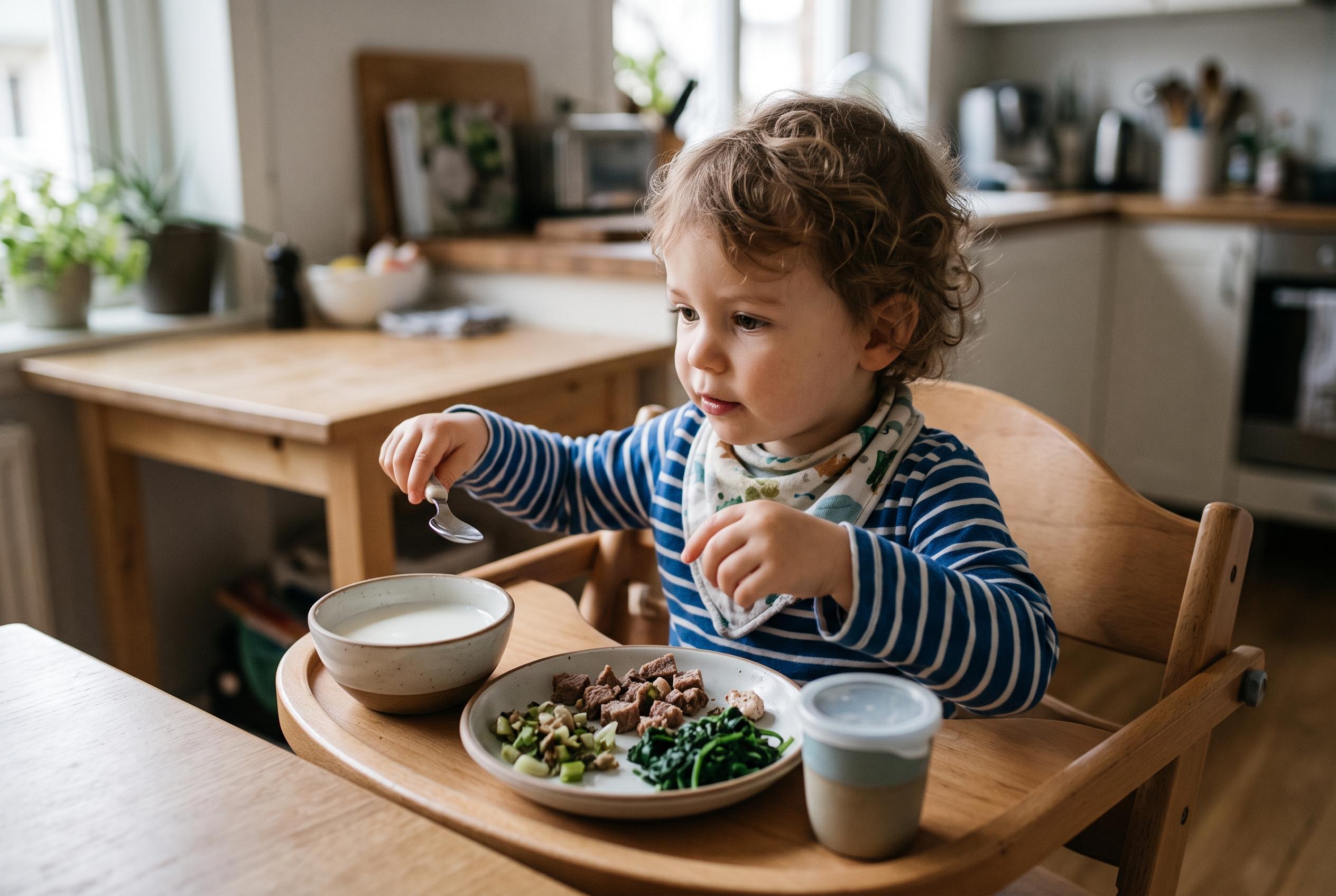

Health specialists in Queensland warn that consuming more than two cups of cow’s milk daily may cause dangerous iron deficiency in children under five, with recent cases highlighting a hidden health crisis and renewed calls for parental awareness.
Queensland health specialists are warning that too much cow’s milk can push young children into iron deficiency anaemia, a condition they say can become fatal in rare cases when severe illness strikes on top of it.
Sally Campbell, a haematologist at Queensland Children’s Hospital, said drinking more than 500 millilitres, or about two cups, of cow’s milk a day can leave children aged 5 and under short of iron. She said the danger is not merely theoretical, citing the deaths of three Queensland toddlers over the past two years after extreme iron deficiency was compounded by infections such as a virus.
Campbell said presentations of severe iron deficiency anaemia at the hospital’s emergency department had risen sharply, from 39 in 2020 to 86 in 2025, according to Pathology Queensland data. She said paediatricians were seeing more families who did not realise that milk, while nutritious in moderation, can displace iron-rich food and make it harder for the body to absorb iron properly.
Professor Desiree Silva, a paediatrician in Perth and co-director of the ORIGINS study, called the problem a “hidden health crisis”. The long-running study, which follows about 10,000 Perth women and their babies, has found that by age 3 more than half the children had low iron levels, almost one in five had very low iron and 2.6 per cent had severe iron deficiency anaemia, she said.
Silva said symptoms are often easy to miss until they become pronounced, with children appearing tired, fussy, poorly focused or slow to grow. One family taking part in the study, the Castillos, said their daughter Hope was found to be severely iron deficient as a toddler after drinking large amounts of milk and showing low energy and a poor appetite. Her father, Lloyd Castillo, said iron supplements and a more deliberate diet had transformed her energy and concentration.
The Royal Children’s Hospital in Melbourne says iron deficiency is the most common cause of anaemia in children and is usually a nutritional problem linked to too little iron-rich food or too much cow’s milk. Children’s Health Queensland gives similar advice, warning that excessive milk intake can crowd out iron and that babies under 12 months should not drink cow’s milk at all.
Campbell said the message needed to be clearer for parents, adding that some families are under financial pressure and may turn to milk because it is cheap and filling. Queensland Health has updated advice in the Red Book, the child health record given to parents, and Children’s Health Queensland says it is also using hospital handouts, general practitioner networks and text messages through its Connecting2u programme to drive the warning home.
For toddlers, Campbell said the aim should be no more than 500 millilitres of cow’s milk a day, preferably served in a cup rather than a bottle. She said parents should not panic, but should treat the guidance as a simple way to prevent a condition that, in many cases, is avoidable.
Disclaimer: This content is for informational purposes only and is not intended to be a substitute for professional medical judgment, advice, diagnosis, or treatment.