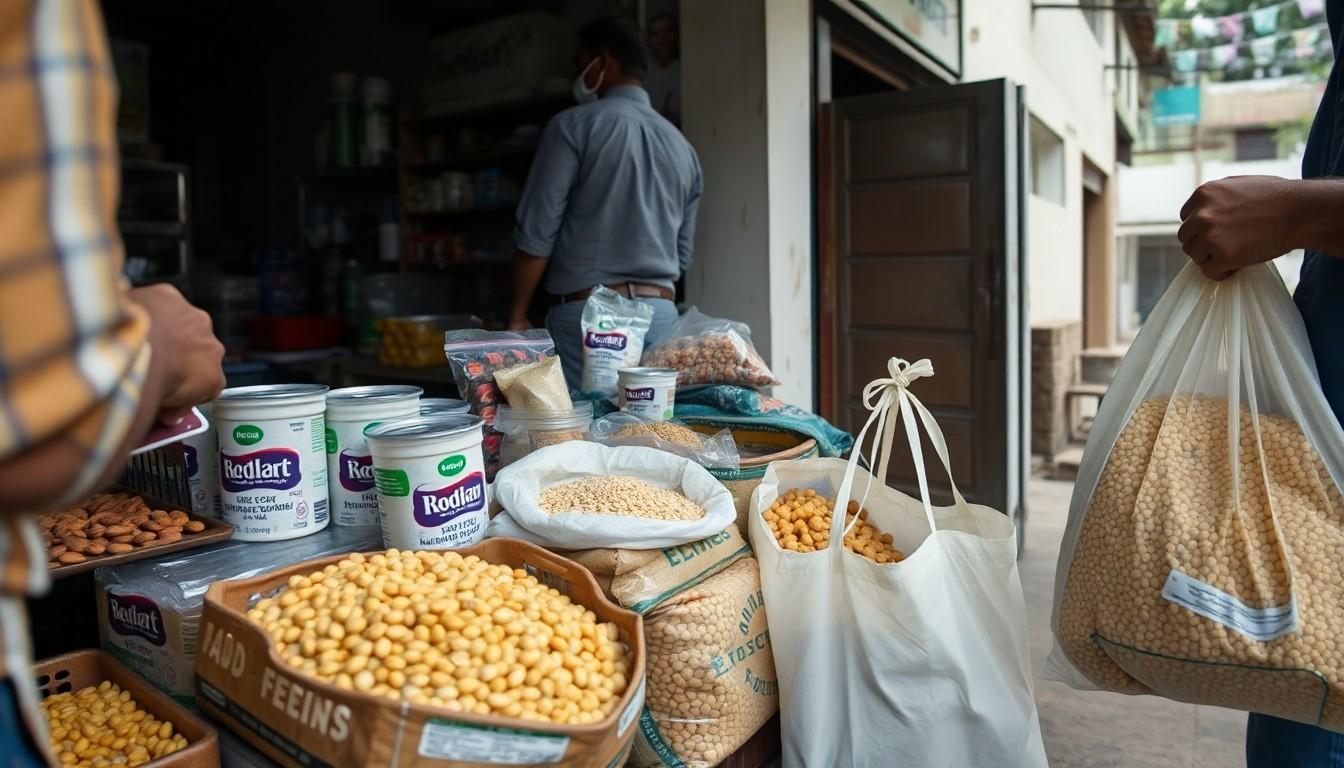

A carefully structured vegetarian diet, incorporating dairy, soy, pulses, and nuts, can help meet a 90g daily protein goal without relying on eggs or meat, according to Dt Amreen Sheikh of KIMS Hospitals.
Meeting a daily protein target of 90g does not require eggs or meat, according to Dt Amreen Sheikh, chief dietitian at KIMS Hospitals in Thane, who said a carefully structured vegetarian diet can provide enough protein through a mix of dairy, soy, pulses, legumes, whole grains, nuts and seeds. Healthline similarly notes that a well-planned vegetarian pattern can meet protein needs when it draws from a wide range of plant-based foods.
Sheikh said the key is not to load protein into one meal, but to spread it across breakfast, lunch, dinner and one or two snacks. That approach, she said, can help with satiety, steady energy and muscle recovery, while also making it easier to reach a high daily total without relying on animal foods.
A practical day could begin with paneer, Greek yoghurt or milk, alongside roasted chana or peanut butter on whole-grain toast. Lunch may include dal, rajma, chole or sprouts with roti or brown rice, while dinner can centre on tofu, paneer or soya chunks with vegetables and millet or chapati. Snacks such as roasted soya nuts, unsweetened yoghurt, buttermilk, mixed seeds or roasted chana can help bridge the gap. Several high-protein vegetarian meal plans reviewed online use a similar structure, with dishes such as besan chilla stuffed with paneer, rajma with rice and tofu bhurji appearing repeatedly.
Soy foods stand out because they are among the few plant-based sources regarded as complete proteins, meaning they provide all essential amino acids. Dairy foods such as milk, curd, paneer and Greek yoghurt are also useful for vegetarians. Sheikh gave an example tally that could bring someone close to 90g a day: two glasses of milk, 100g of paneer, a cup of Greek yoghurt, a cup of cooked dal, one serving of soy chunks and a handful of roasted chana or nuts. She added that protein needs vary by age, body weight, activity level and health status, and said people with kidney or liver disease should seek advice from a qualified dietitian before making major dietary changes.
Disclaimer: This content is for informational purposes only and is not intended to be a substitute for professional medical judgment, advice, diagnosis, or treatment.