


As Yemen’s hunger crisis intensifies, aid agencies warn that funding gaps are restricting vital treatment and prevention efforts for millions of vulnerable children and women, with recent deaths highlighting the urgent need for more comprehensive support.
A father’s desperate plea for help for his daughter, Tahani, sits at the centre of a wider picture of hunger in Yemen that aid agencies say has become both persistent and, in some places, worsening. The United Nations has said about 2.2 million children under five are acutely malnourished in the country, including roughly 540,000 with severe acute malnutrition. UNICEF says the crisis is driven not only by a shortage of food, but also by weak health care, poor water and sanitation, disease outbreaks and a collapsing economy.
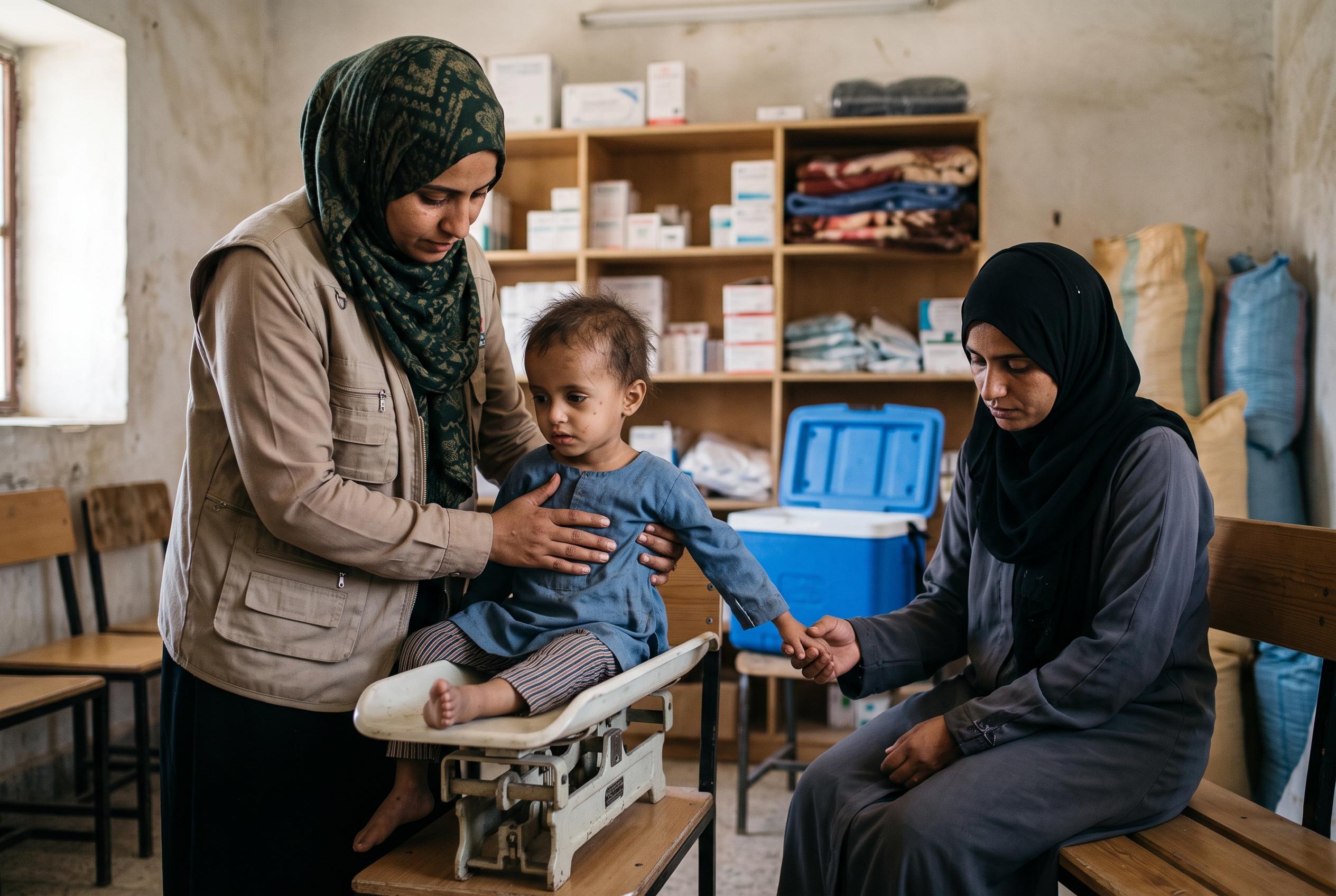
Field reporting from clinics, camps and hospitals shows how that crisis plays out in daily life. In Hajjah governorate, the family of a boy named Jiyad Mohammed Jalal has been repeatedly visiting medical services as his weight has fallen to dangerous levels. In Dhale, Al-Nasr Hospital treated 269 acutely malnourished children between January and August 2026, according to figures gathered by Al Jazeera Arabic. Yemen’s health ministry also said severe malnutrition among children under five increased in the first seven months of 2026 compared with the same period a year earlier.
Doctors and nutrition workers describe a system that can stabilise children, but often cannot prevent them from returning to the same conditions that made them sick. At a government clinic in Marib, Dr Muajiba al-Mansouri told Al Jazeera that the centre treated dozens of children with severe and moderate acute malnutrition over the past year, along with mothers who were themselves undernourished. She said treatment protocols vary by severity, with the most serious cases requiring assessment and sometimes hospital admission, while others are managed with therapeutic foods, supplements and regular monitoring.
The strain is not limited to children. UN agencies estimate that about 1.3 million pregnant and breastfeeding women are malnourished as well, and nearly 14.4 million people need water, sanitation and hygiene support. The World Food Programme and UNICEF remain central to treatment and prevention, but both agencies and Yemen’s health ministry say shrinking budgets have forced programmes to narrow their reach. The ministry said reduced WFP funding roughly halved coverage from 122 districts to 62, while UNICEF has warned that the shortfall is pushing aid systems to focus on emergency treatment rather than prevention.
The funding figures underline that gap. Humanitarian response plans in recent years have been only partly financed, with the 2026 appeal at just over a fifth funded, according to the figures cited in the report. The United Nations has separately warned that health facilities are under severe pressure, while Doctors Without Borders has recorded rising numbers of cases at the sites it supports. In Tahani’s case, Al Jazeera said her father later learned she had died, with the family describing hunger as the cause. The larger question raised by the investigation is whether aid, as currently structured, is relieving the symptoms of Yemen’s crisis without changing the war, poverty and service collapse that keep producing new cases.
Disclaimer: This content is for informational purposes only and is not intended to be a substitute for professional medical judgment, advice, diagnosis, or treatment.



