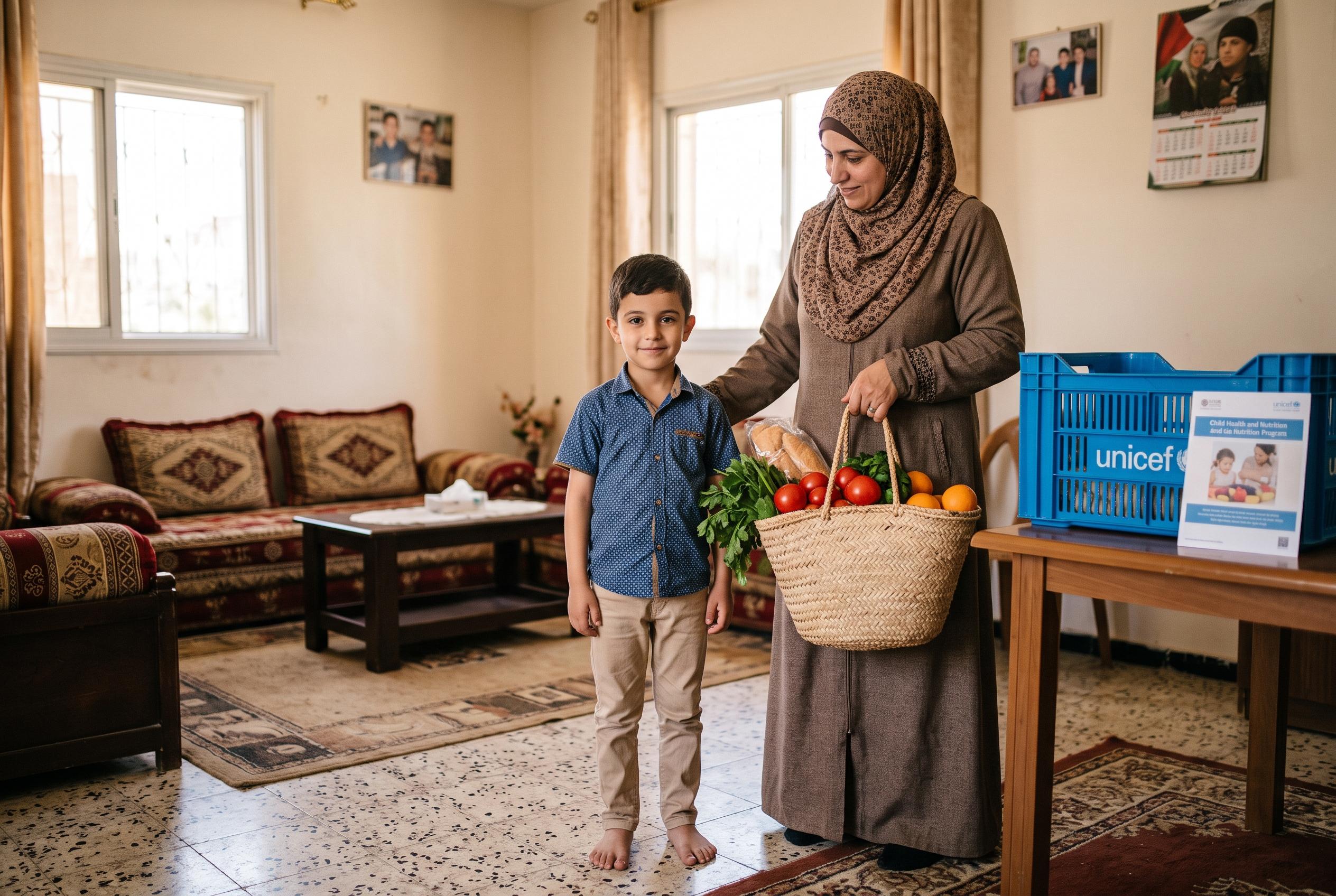

A new UNICEF report shows improvements in child nutrition in Gaza, but critics warn it doesn’t negate the broader evidence of prolonged deprivation and the legal ramifications surrounding Israel’s blockade.
Israel’s supporters have seized on a new Unicef nutrition survey in Gaza as proof that claims of famine were overstated, but the study does not support that conclusion. The survey, which measured the condition of children under five in mid-2026 after a ceasefire and a significant rise in aid deliveries, says only that acute malnutrition has fallen since the famine confirmed by the Integrated Food Security Phase Classification in August 2025. Unicef said the two findings “stand” together: famine was confirmed last year, and child nutrition has improved since then.
That distinction matters because the broader record shows a sustained pattern of restrictions on food and other essentials. Amnesty International said in 2024 that Israeli authorities had not allowed adequate life-saving aid into Gaza over a prolonged period, and the organisation had already called in October 2023 for the blockade to be lifted as Gaza’s only power plant ran out of fuel. In March 2024, Amnesty and other aid groups said land crossings were the only reliable way to meet Gaza’s humanitarian needs.
The latest Unicef figures have also been misused to suggest that famine never existed at all. That is not what the data show. Medical Aid for Palestinians said such claims were “incorrect, misleading and dangerous”, arguing that a survey taken after months of large-scale assistance cannot erase a famine finding made earlier. Unicef’s own explanation makes the same point: the improvement in child nutrition reflects the aid that followed, not proof that the aid was unnecessary.
There is also a deeper and more worrying layer to the survey. Unicef found that roughly one in eight children under five showed signs of stunted growth, which points to prolonged deprivation rather than a short-term shortage. The World Health Organisation defines stunting as impaired growth linked to poor nutrition, repeated infection and inadequate psychosocial conditions, and experts say it is often irreversible. In other words, even as wasting has eased, the damage from months of hunger, illness and displacement remains visible.
The legal and political context is equally significant. The International Criminal Court’s arrest warrant for Benjamin Netanyahu in November 2024 included allegations of starvation as a method of warfare, and the United Nations high commissioner for human rights has warned that Israel’s restrictions on aid could amount to a war crime. In August 2025, the IPC formally recognised famine in Gaza, a finding that later reporting described as a major diplomatic and legal setback for Israel. The new Unicef survey does not alter that history; it only shows that children’s condition has improved when food has been allowed in at scale.
Disclaimer: This content is for informational purposes only and is not intended to be a substitute for professional medical judgment, advice, diagnosis, or treatment.