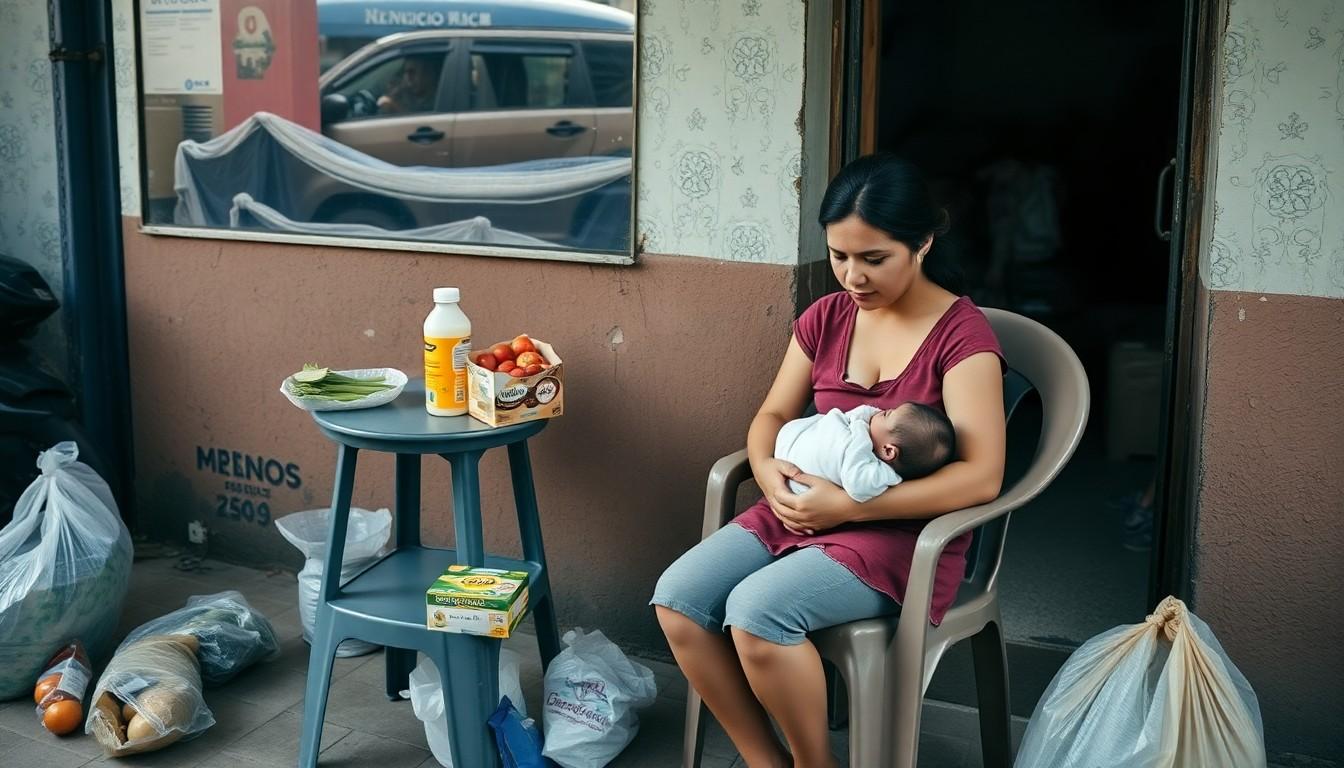

UNICEF Mexico warns that only one in three newborns are exclusively breastfed in the first six months, citing myths, inconsistent support, and commercial influences as key barriers to optimal infant nutrition.
UNICEF Mexico has warned that breastfeeding remains far below what health experts consider optimal in the country, with only one in three newborns receiving breast milk alone during the first six months of life. That rate sits below the Latin American average of 42 per cent and well short of the 70 per cent global target set for 2030. The agency said the problem is not simply one of access to information, but of persistent myths, inconsistent support and commercial pressures that can shape the choices of mothers and families.
According to UNICEF Mexico, breastfeeding should begin within the first hour after birth and continue exclusively for six months before complementary foods are introduced. The organisation said early breastfeeding supports infant survival and development, and its materials note that prompt initiation can reduce neonatal mortality. UNICEF also said exclusive breastfeeding helps protect babies against gastrointestinal and respiratory illness, obesity, diabetes and other health problems, while offering mothers benefits such as faster physical recovery after birth and a lower risk of postpartum haemorrhage.
UNICEF has placed particular emphasis on dispelling common misconceptions. Among the false claims it highlighted are that breast size determines milk supply, that breastfeeding should be painful, that beer increases production, and that colostrum is not nutritious. The agency said scientific evidence and guidance from the World Health Organisation show the opposite: milk production depends on glandular tissue rather than breast size, persistent pain often signals a latch problem, alcohol can reduce milk ejection and pass into breast milk, and colostrum contains vital nutrients and immune factors. It also rejected the idea that breast milk stops being useful after six months, saying its composition adapts to the child’s changing needs and continues to provide nutritional and immunological benefits beyond the first year.
To counter misinformation and commercial influence, UNICEF has launched Código LactancIA, a platform developed with government, civil society and academic partners to monitor compliance with the International Code of Marketing of Breast-milk Substitutes and Mexico’s own rules. The organisation said that in Mexico more than half of formula products consumed are recommended by health personnel, either directly or through brand placement in materials and gifts distributed by the industry. The Health Ministry has meanwhile reiterated basic feeding guidance, saying infants typically need to feed 10 to 12 times a day, including overnight, and that normal newborns may lose up to 10 per cent of birth weight in the first week before regaining it by around two weeks. It added that adequate hydration can be tracked by the number of wet nappies, with breastfeeding on demand recommended for the first six months and continued alongside complementary foods for two years or longer if mother and child wish.
Disclaimer: This content is for informational purposes only and is not intended to be a substitute for professional medical judgment, advice, diagnosis, or treatment.