

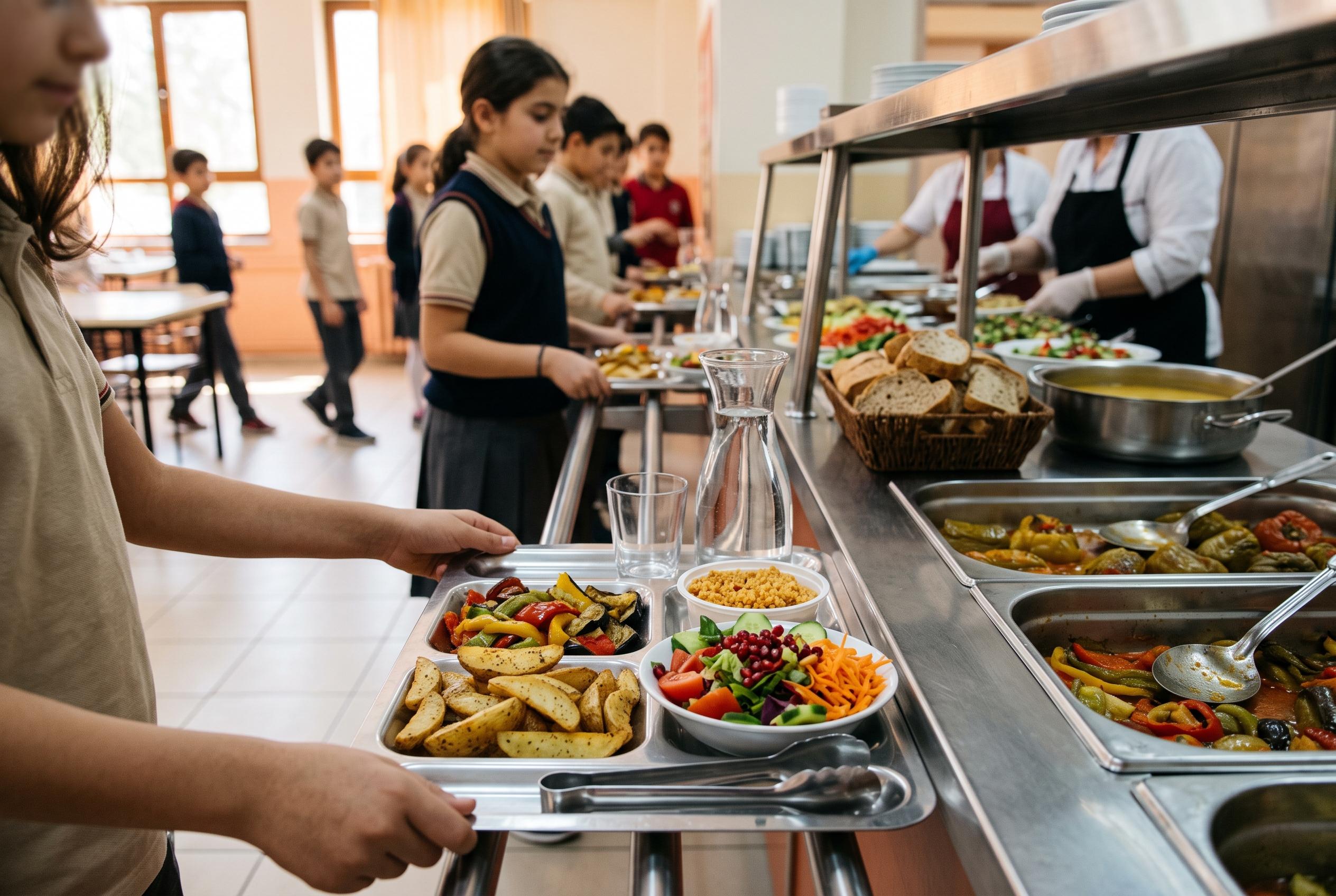

Turkey plans to ban fried foods in school canteens from 2026-27, mirroring UK’s new restrictions, as health experts highlight the risks of saturated fats, high salt, and carcinogens, advocating moderation over prohibition.
Turkey’s move to clear fried foods from school canteens from the 2026-27 academic year is being presented as part of a broader push to improve children’s diets, with the UK Department for Education also tightening school food rules this year by barring fried items from meals served to pupils. Stefan Kabisch, a research physician and nutrition specialist at Berlin’s Charité Hospital and the German Diabetes Research Centre, says the decision is sensible because the health risks can outweigh the appeal of fast, tasty food.
Kabisch said frying is not inherently limited to one type of oil, but in practice the process often relies on heavily refined vegetable oils that can withstand very high temperatures without smoking or changing flavour. He argues that this matters because such oils can contain more saturated fatty acids, which are linked to inflammation, greater insulin resistance and, over time, a higher risk of obesity and type 2 diabetes. The concern extends beyond metabolism: saturated fats can also contribute to atherosclerosis, the hardening and narrowing of arteries that raises the risk of heart attack and stroke.
Health specialists also point to other drawbacks common in fried snacks sold to children. Salt levels can be high, adding to blood pressure risks, while starchy foods such as potatoes can produce a potentially carcinogenic compound during frying. Research has also found a statistical link between depression and fried food consumption, although Kabisch cautions that this does not prove cause and effect. He notes the relationship could run in either direction, with depression making quick, heavily processed foods more tempting, while poor diet may also affect gut health and, in turn, mental wellbeing.
Kabisch’s view is not that fried food must disappear completely, but that it should be eaten as little as possible. He said the sensible rule is moderation, not total prohibition, but added that restricting school sales is justified because children are more likely to benefit from healthier options if fried snacks are removed from daily routines. Turkish reports say the ban will also cover products fried before sale, not just items cooked on site, underscoring how far the new school canteen rules are intended to go.
Disclaimer: This content is for informational purposes only and is not intended to be a substitute for professional medical judgment, advice, diagnosis, or treatment.



