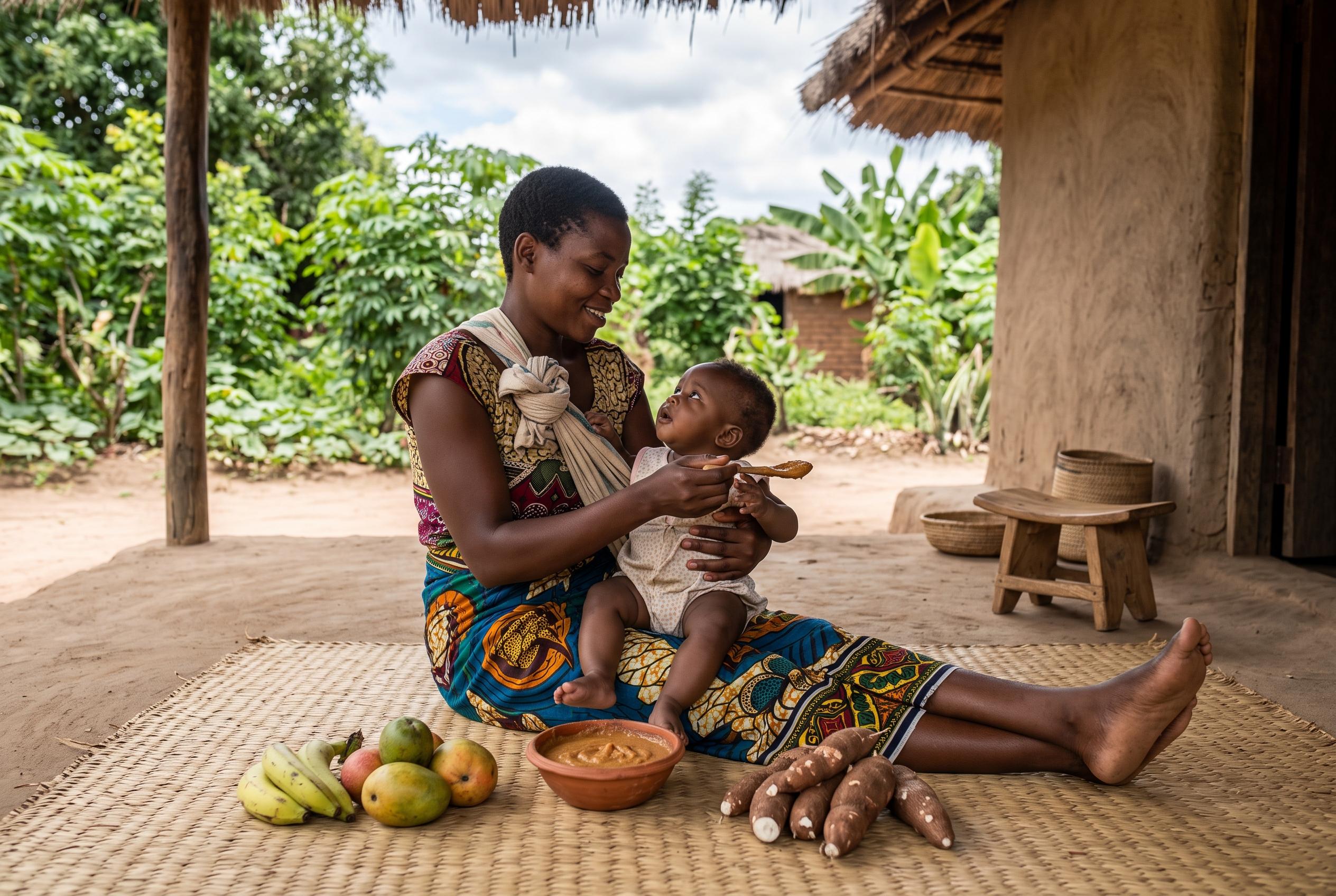

A recent survey conducted at Marrere General Hospital in Nampula highlights the pervasive use of industrially processed foods among infants up to 10 months old, prompting calls for improved nutrition education and the promotion of locally available, healthier alternatives.
A recent survey of at least 100 mothers who attend Marrere General Hospital in Nampula has found widespread use of industrially processed foods during the transition to solid foods, with all of those interviewed reporting that they regularly give such products to babies up to 10 months old, according to Ikweli. Nutritionist Patrícia Chitive, who led the research, said the findings are worrying because they may compromise infant health.
Chitive said most of the women relied on porridge and flour-based foods, but many also turned to industrially produced yoghurt and juices as supplements to their children’s diets. She said the pattern persists even in households with limited incomes, adding an extra burden to family budgets when local, cheaper foods are available.
The nutritionist argued that the survey points to weaknesses in nutrition education, particularly around the period before complementary feeding begins. She said many mothers appear to assume that a shop-bought porridge or yoghurt is automatically better for a child, when that is not necessarily the case. Chitive urged families to make greater use of locally available foods such as cassava, sweet potato, banana and orange in preparing infant meals.
Her call aligns with guidance from the US Centers for Disease Control and Prevention, which says exclusive breastfeeding is recommended for about the first six months, with complementary foods introduced around that point while breastfeeding continues until age 2 or beyond. The CDC says breast milk remains the best source of nutrition for most infants and supports growth, development and protection against illness. Chitive said the same message should be reinforced during pregnancy and through community and health-centre campaigns so that mothers receive advice before they begin introducing other foods.
Disclaimer: This content is for informational purposes only and is not intended to be a substitute for professional medical judgment, advice, diagnosis, or treatment.